Learn Adventure Japanese with “Fairy Tail: 100 Years Quest” (FAIRY TAIL 100年クエスト): Casual Team Talk & Battle Commands
Quick links to search for the manga on Amazon.
A subscription is required, but you can start a Free Trial here。
Availability varies by region. Searches open in a new tab.
1) Manga Overview: What Is “Fairy Tail: 100 Years Quest”?
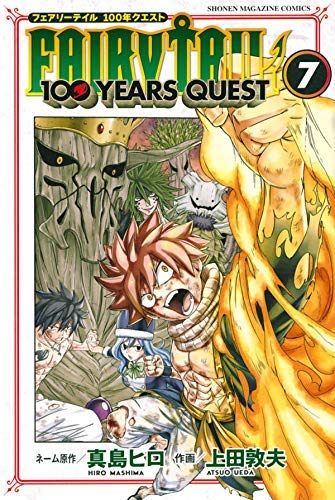
Fairy Tail: 100 Years Quest is the official sequel to Hiro Mashima’s hit shōnen fantasy, storyboarded by Mashima and drawn by Atsuo Ueda for Kodansha’s Magazine Pocket. 『FAIRY TAIL』の正当続編となる作品で、魔導士ギルド「妖精の尻尾」のナツたちが、創設以来誰一人達成したことのない「100年クエスト」に挑む新たな冒険を描いた物語です。 For learners, it offers lively, natural dialogue among guildmates, memorable battle lines, and mission/travel phrases that repeat across episodes—great for building speed, confidence, and ear-training.
What Japanese culture and workplace customs can you learn?
Learning focus: casual team coordination and requests in fast-moving action. Notice sentence-final particles like ぞ/ぜ/な for energy and stance; shift to です・ます when speaking to shopkeepers or new contacts; and pair refusals with quick alternatives. Track patterns such as 〜てくれ (urgent peer request), 〜てもらえる? (softer), and the volitional 〜よう/〜か for planning before a fight or quest.
-
Team Commands & Coordination:
Learn compact orders (いくぞ/まかせろ/下がれ) and how particle choices (ぞ・な) change tone without extra words.
-
Requests Among Peers:
Contrast direct 〜てくれ with softer 〜てもらえる?/〜てくれない? and when each is acceptable among close friends.
-
Emphasis & Exclamations:
Use sentence-final particles (ぞ/ぜ/さ/な) and intensifiers (めっちゃ・超) to express hype, resolve, or warning.
-
Nicknames & Address:
Practice name enders (〜ちゃん/〜くん), role titles (マスター/先輩), and when to switch to surnames with です・ます.
-
Strategy Talk:
Plan with the volitional (〜よう/〜か), conditionals (〜たら/〜なら), and proposals with 〜という手もある.
-
Warnings & Prohibitions:
Master quick safety language: 〜な (Don’t…), 危ない!, 下がって!, and polite versions (〜ないでください).
-
Quest & Travel Vocabulary:
Core words like 依頼・受注・討伐・封印・許可・作戦 appear repeatedly—perfect for spaced repetition.
2) Practical Use Cases: Where You’ll Use This Japanese
Targets: club activities and team projects, online co-op games and raids, event planning with friends, travel coordination, shop counters in towns/markets, safety warnings during activities.
Politeness vs. Distance (丁寧度×距離感): Quick Comparison
| Function | Casual (仲間へ) | Standard Polite | Formal–Deferential |
|---|---|---|---|
| Request | 手を貸してくれ。 て を かして くれ / te o kashite kure Give me a hand. |
手を貸してもらえますか? て を かして もらえます か / te o kashite moraemasu ka Could you help? |
お手数ですが、手をお貸しいただけますか。 おてすう ですが、 て を おかし いただけます か / otesū desu ga, te o okashi itadakemasu ka May I ask for your assistance? |
| Warning / Prohibition | 動くな! うごく な / ugoku na Don’t move! |
動かないでください。 うごかないで ください / ugokanai de kudasai Please don’t move. |
恐れ入りますが、動かないでいただけますでしょうか。 おそれいります が、 うごかないで いただけます でしょうか / osoreirimasu ga, ugokanai de itadakemasu deshō ka We must ask that you refrain from moving. |
| Refusal + Alternative | 今は無理。あとでにしよう。 いま は むり。 あとで に しよう / ima wa muri. ato de ni shiyō |
今は難しいです。後にしませんか。 いま は むずかしい です。 あと に しません か / ima wa muzukashii desu. ato ni shimasen ka |
誠に恐縮ですが、今回は見送らせていただけますと幸いです。 まことに きょうしゅく ですが、 こんかい は みおくらせて いただけます と さいわい です / makoto ni kyōshuku desu ga, konkai wa miokurasete itadakemasu to saiwai desu |
| Confirmation | それでいいよな? それで いい よ な / sore de ii yo na |
それでよろしいですか。 それで よろしい です か / sore de yoroshii desu ka |
それで問題ございませんでしょうか。 それで もんだい ございません でしょうか / sore de mondai gozaimasen deshō ka |
3) Key Adventure Scenes (Paraphrased) with Readings
Scene digest: The team accepts the legendary commission and hypes each other up before departure.
「100年クエストに挑むぞ!」
Reading: ひゃくねん クエスト に いどむ ぞ! (hyakunen kuesuto ni idomu zo!)
EN: We’re taking on the 100-Year Quest!
Scene digest: At a shop counter in town, a member asks politely for a buyback.
「素材の買い取り、お願いできますか?」
Reading: そざい の かいとり、 おねがい できます か? (sozai no kaitori, onegai dekimasu ka?)
EN: Could you buy these materials from us?
Scene digest: During a fight, partners divide roles and reassure each other.
「背中は任せた!」
Reading: せなか は まかせた! (senaka wa makaseta!)
EN: I’ve got your back!
Scene digest: A quick strategic retreat—someone stops the rush to avoid a trap.
「今は引くべきだ!」
Reading: いま は ひく べき だ! (ima wa hiku beki da!)
EN: We should pull back now!
4) Language Breakdown: Vocabulary, Grammar & Discourse
Vocabulary (with collocations)
| Headword | Reading (kana / romaji) | Meaning | EN | Collocations | Near-synonyms / Register |
|---|---|---|---|---|---|
| 依頼 | いらい / irai | 仕事や用事を人に頼むこと(クエスト) | request; commission; quest | 依頼を受ける/依頼を達成する/依頼主 | 任務(formal)、クエスト(game/fantasy) |
| 受注 | じゅちゅう / juchū | 注文・依頼を受け入れること | accepting an order/quest | 依頼を受注する/受注許可が下りる | 受理(administrative) |
| 討伐 | とうばつ / tōbatsu | 敵や魔物をうち倒すこと | subjugation; extermination (of monsters/enemies) | 魔物討伐/討伐任務 | 撃退(repel)、鎮圧(suppress) |
| 仲間 | なかま / nakama | 同じ目的を持つ味方・友人 | ally; teammate; companion | 仲間を守る/仲間意識 | 味方(ally)、チームメイト |
| 魔導士 | まどうし / madōshi | 魔法を使う者(作中用語) | mage; magic-user | 魔導士ギルド/一流の魔導士 | 魔法使い(casual) |
| ギルド | ぎるど / girudo | 依頼の仲介などを行う組織 | guild (quest broker/organization) | ギルドに所属する/ギルドマスター | 組合(literal) |
| 封印 | ふういん / fūin | 力や存在を閉じ込めて働かなくすること | seal; sealing | 封印する/封印を解く/封印が解かれる | 封じ込め(colloquial) |
| 許可 | きょか / kyoka | してよいと認めること | permission; authorization | 許可が下りる/許可を得る | 承認(approval)、許諾(license) |
| 作戦 | さくせん / sakusen | 目的達成のための具体的な方法・手順 | strategy; plan of attack | 作戦を立てる/作戦会議/作戦変更 | 戦略(strategic)、方針(policy) |
| 回復 | かいふく / kaifuku | 元の良い状態に戻る・戻すこと | recovery; healing | 体力回復/回復魔法 | 治癒(healing) |
| 伝説級 | でんせつきゅう / densetsu-kyū | 伝説レベルに匹敵するほどの | legendary-class; exceptionally rare/powerful | 伝説級の依頼/伝説級モンスター | 桁外れ(extraordinary) |
| 神竜 | しんりゅう / shinryū | 神格を持つ竜・神の竜 | divine dragon | 神竜を封印する/神竜の力 | 竜神(ryūjin)、ドラゴン(loanword) |
Grammar & Discourse
Among close teammates, 〜てくれ is a direct, urgent request (“do it for me”), while 〜てもらえる?/〜てくれない? softens the ask. Use polite 〜ていただけますか with strangers.
Example (JP): 手を貸してくれ!
Reading: て を かして くれ! (te o kashite kure!)
EN: Give me a hand!
Short imperatives are common in battle: にげろ! “Run!”; 動くな! “Don’t move!” Reserve these for emergencies or very close peers; otherwise switch to 〜てください.
Example (JP): 動くな!
Reading: うごく な! (ugoku na!)
EN: Don’t move!
Use the volitional to propose actions and build consensus before a fight or quest: 休もう/分担しよう/別ルートで行こうか。
Example (JP): 作戦を立てよう。
Reading: さくせん を たてよう。 (sakusen o tateyō.)
EN: Let’s make a plan.
When unsure, soften assertions: 今は引いたほうがいいかも/別ルートが安全だと思う/準備はこれでいいかな?
Example (JP): いったん引いたほうがいいかも。
Reading: いったん ひいた ほう が いい かも。 (ittan hiita hō ga ii kamo.)
EN: We might be better off retreating for now.
5) Onomatopoeia & Register (Guild/Adventure Flavor)
- ドン / don
- ゴゴゴ / gogogo
- バチバチ / bachibachi
- ズドン / zudon
- キラキラ / kirakira
- ドキドキ / dokidoki
- ヒュン / hyun
6) Summary
Train your ear for friendly but forceful casual Japanese: short commands (〜ろ/〜な), quick requests (〜てくれ/〜てもらえる?), and inclusive planning with the volitional (〜よう/〜か). The series is perfect for practicing quest vocabulary, nicknames and address terms, and how speech shifts when talking to strangers versus close teammates.
Quick links to search for the manga on Amazon.
A subscription is required, but you can start a Free Trial here。
Availability varies by region. Searches open in a new tab.
More in the same Genre & Demographic — Fantasy / Boys’/Shonen manga
-
 BASTARD!! -Heavy Metal, Dark Fantasy-
 -
 'Tis Time for "Torture," Princess
 -
 Tsubasa: Reservoir Chronicle
 -
 Tegami Bachi: Letter Bee
 -
 As a Reincarnated Aristocrat, I’ll Use My Appraisal Skill to Rise in the World
 -
 I Was Reincarnated as the 7th Prince so I Can Take My Time Perfecting My Magical Ability
 -
 The Case Study of Vanitas
 -
 The Irregular at Magic High School