Learn Kansai-Ben & Street-Smart Japanese with “The Fable” (ザ・ファブル): Casual Speech, Soft Refusals, De‑Escalation
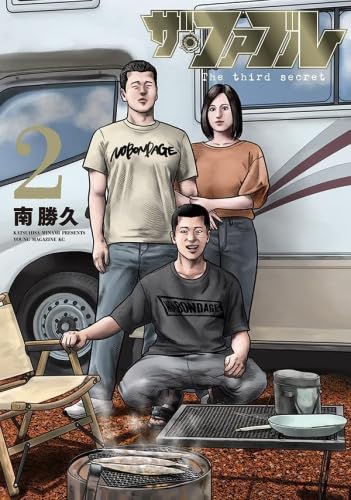
Quick links to search for the manga on Amazon.
Availability varies by region. Searches open in a new tab.
1) Manga Overview: What Is “The Fable”?
“The Fable” follows a legendary hitman ordered to live as an ordinary citizen in Osaka. While the premise is crime-adjacent, much of the story is everyday life: a deadpan protagonist navigating small talk, part-time office work, and neighborhood encounters. This mix makes it surprisingly useful for learners—characters code-switch between standard polite Japanese and lively Kansai-ben, with plenty of real conversational filler, hedging, and banter. You’ll also hear how people de-escalate situations and set boundaries without sounding aggressive.
What Japanese culture and workplace customs can you learn?
Learning focus: notice how speakers shift between casual, Kansai-flavored talk (~やねん/~してくれへん?) and standard polite forms (~てもらえますか/~でよろしいでしょうか). Collect softening moves that reduce friction—cushion phrases, indirect refusals (~は見送らせてください), and preventive requests (~ないようにお願いします). Track intonation and sentence-final particles (ね/や/わ) that signal friendliness or distance.
-
Kansai-Ben Basics:
Hear common features like ほんま (really), ~や/~やねん (copula/explanation), ~してくれへん? (request). Learn when to keep them and when to switch back to standard.
-
Code‑Switching for Safety:
Characters move between rough banter and 丁寧語. Practice neutralizing tone with です/ます, and re‑framing edgy lines into safe, everyday versions.
-
Soft Refusals:
Use cushions like すみませんが/恐れ入りますが and patterns such as 「今回は見送らせてください」 to decline invites or tasks without burning bridges.
-
Preventive Requests:
Ask people to avoid actions politely: 「大声を出さないようにお願いします」 or business‑formal 「差し控えていただけますと幸いです」。
-
Workplace Intros & Small Talk:
Practice onboarding staples: 「お世話になります。◯◯です」「よろしくお願いします」「お疲れさまです」—plus casual add‑ons in Kansai flavor.
-
Reading Between the Lines:
Notice indirectness—hedges like いったん/一応/念のため and confirmations such as 「この内容でよろしいでしょうか」 that keep conversations smooth.
2) Practical Use Cases: Where You’ll Use This Japanese
Targets: casual workplace chats, restaurants and bars, neighborhood interactions, retail/service counters, phone confirmations, safety-minded de-escalation, small negotiations
Politeness vs. Distance (丁寧度×距離感): Quick Comparison
| Function | Casual | Standard Polite | Formal‑Deferential |
|---|---|---|---|
| Request | 手、貸してくれる? て、かしてくれる? / te, kashite kureru? — Lend me a hand? |
手を貸してもらえますか。 てを かして もらえますか。 / te o kashite moraemasu ka? — Could you help me? |
ご助力いただけますでしょうか。 ごじょりょく いただけます でしょうか。 / gojoryoku itadakemasu deshō ka? — Might we request your assistance? |
| Refusal (soft) | 今は無理。 いまは むり。 / ima wa muri. — Can’t right now. |
今は難しいです。 いまは むずかしいです。 / ima wa muzukashii desu. — It’s difficult at the moment. |
恐れ入りますが、今回は見送らせていただきます。 おそれいりますが、こんかいは みおくらせて いただきます。 / osoreirimasu ga, konkai wa miokurasete itadakimasu. — We must pass this time. |
| Warning/Boundary | やめとき。 やめとき。 / yametoki. — I’d stop. |
やめておいたほうがいいですよ。 やめて おいた ほうが いい ですよ。 / yamete oita hō ga ii desu yo. — Better not. |
差し控えていただけますと幸いです。 さしひかえて いただけますと さいわいです。 / sashihikaete itadakemasu to saiwai desu. — We would appreciate it if you refrained. |
| Confirmation | OK?/分かった? オーケー?/わかった? / ōkē? / wakatta? — OK? / Got it? |
大丈夫ですか/いいですか。 だいじょうぶ ですか/いい ですか。 / daijōbu desu ka / ii desu ka? — Is that all right? |
この内容でよろしいでしょうか。 この ないようで よろしい でしょうか。 / kono naiyō de yoroshii deshō ka? — Would this be acceptable? |
3) Key Scenes (Paraphrased) with Readings
Scene digest: First day at a small office—self‑introduction that balances politeness and simplicity.
「お世話になります、佐藤です。」
Reading: おせわ になります、さとう です。 (Osewa ni narimasu, Satō desu.)
EN: Thank you for having me—I'm Satō.
Scene digest: Turning down an invite at a bar without sounding cold (Kansai flavor).
「今日はやめときますわ。」
Reading: きょう は やめときます わ。 (Kyō wa yametokimasu wa.)
EN: I’ll pass for today.
Scene digest: De‑escalating when voices rise—propose a calm talk.
「ちょっと落ち着きましょうか。」
Reading: ちょっと おちつきましょうか。 (Chotto ochitsukimashō ka?)
EN: Shall we calm down a bit?
Scene digest: Phone check before a meeting—confirm time to avoid mix‑ups.
「念のため、明日の10時でよろしいでしょうか。」
Reading: ねんのため、あした の じゅうじ で よろしい でしょうか。 (Nen no tame, ashita no jūji de yoroshii deshō ka?)
EN: Just to confirm, is 10 a.m. tomorrow okay?
4) Language Breakdown: Vocabulary, Grammar & Discourse
Vocabulary (with collocations)
| Headword | Reading (kana / romaji) | Meaning | EN | Collocations | Near-synonyms / Register |
|---|---|---|---|---|---|
| 依頼 | いらい / irai | たのみごと。してほしいことを頼むこと。 | request; commission | 依頼を受ける/依頼主/依頼内容 | 要請(formal)、お願い(polite/casual) |
| 段取り | だんどり / dandori | 物事を進めるための手順や準備。 | arrangements; game plan | 段取りをつける/段取りがいい | 準備(neutral)、手順(procedural) |
| 用心 | ようじん / yōjin | あぶないことがないように注意すること。 | caution; watchfulness | 用心する/用心深い | 注意(general)、警戒(heightened) |
| 気配り | きくばり / kikubari | 相手への細かな配慮。 | thoughtfulness; attentiveness | 気配りができる/細やかな気配り | 心配り(polite)、配慮(formal) |
| 見送る | みおくる / miokuru | 実行をやめる・先延ばしにする。 | to pass on; to hold off | 今回は見送る/見送りにする | 保留(neutral)、断念(decisive) |
| 手配 | てはい / tehai | 必要なものや人を準備・手続きすること。 | arrangement; making preparations | 車を手配する/会場手配 | 手続き(bureaucratic)、段取り(plan) |
| 地元 | じもと / jimoto | 生まれ育った土地。地域。 | local; home area | 地元の人/地元企業 | 地域(neutral) |
| 方言 | ほうげん / hōgen | 地域による言葉の違い。 | dialect | 方言で話す/方言丸出し | なまり(colloquial) |
| 口調 | くちょう / kuchō | 話し方の調子。トーン。 | tone; manner of speaking | 口調を崩す/丁寧な口調 | 話し方(neutral)、トーン(loanword) |
| 合図 | あいず / aizu | 動作を促すためのしるし。 | signal; cue | 合図を送る/合図で動く | サイン(loanword)、合図(standard) |
Grammar & Discourse
相手に負担をかけない依頼の基本。友だちには「見せてもらえる?」、目上や取引先には「ご確認いただけますか」。さらに丁寧にすると「〜いただけますでしょうか」。
Example (JP): こちらにサインしていただけますか。
Reading: こちらに サインして いただけますか。 (Kochira ni sain shite itadakemasu ka?)
EN: Could you sign here?
関西圏のくだけた依頼。標準語「〜してくれない?」に相当。親しさが前提なので、店員や初対面には使わないのが安全。
Example (JP): ちょっと待ってくれへん?
Reading: ちょっと まってくれへん? (Chotto matte kurehen?)
EN: Could you wait a second?
角を立てずに断る定番。理由を足すとより丁寧(「今回は予定が重なっているため…」)。ビジネスでは「見送らせていただきます」もよく使う。
Example (JP): 今回は参加を見送らせてください。
Reading: こんかいは さんかを みおくらせて ください。 (Konkai wa sanka o miokurasete kudasai.)
EN: Please allow me to pass on joining this time.
トラブル回避のためのお願い。「写真は撮らないようにお願いします」「大声を出さないようにお願いします」など、具体的に対象を示す。
Example (JP): 大きな声を出さないようにお願いします。
Reading: おおきな こえを ださない ように おねがいします。 (Ōkina koe o dasanai yō ni onegaishimasu.)
EN: Please avoid raising your voice.
電話や対面での最終確認。相手の体面を保ちつつ間違いを防げる。カジュアルなら「これでいい?」。
Example (JP): お名前の表記は佐藤でよろしいでしょうか。
Reading: おなまえの ひょうきは さとう で よろしい でしょうか。 (Onamae no hyōki wa Satō de yoroshii deshō ka?)
EN: Is the spelling Satō, correct?
5) Onomatopoeia & Register (Osaka‑Flavor Everyday + Tense Moments)
- ドキドキ / dokidoki
- バタバタ / batabata
- ジロジロ / jirojiro
- ニヤリ / niyari
- ガチャ / gacha
- サッ / sa
- しーん / shiin
6) Summary
A gritty-but-funny Osaka setting lets you hear natural Kansai-ben alongside neutral polite Japanese. Practice soft refusals, safety-minded warnings, and crisp confirmations that work in everyday chats, shops, and casual workplaces.
Quick links to search for the manga on Amazon.
Availability varies by region. Searches open in a new tab.


