Learn Japanese for Service Jobs: Best Manga & Anime for Restaurant & Convenience Store Workers
Master essential Japanese phrases, customer service etiquette, and workplace culture for restaurants, cafes, and convenience stores through engaging manga and anime—organized by difficulty level.
- Who this guide is for
- What you’ll learn from these titles
- 🌱 Beginner Level — Essential Daily Life & Basic Customer Service
- Polar Bear Cafe (しろくまカフェ)
- Yotsuba&! (よつばと!)
- Chibi Maruko-chan (ちびまる子ちゃん)
- Sweetness & Lightning (甘々と稲妻)
- 📊 Intermediate Level — Restaurant Service & Workplace Communication
- Working!! (WORKING!!)
- Restaurant to Another World (異世界食堂)
- Otherworldly Izakaya Nobu (異世界居酒屋「のぶ」)
- Silver Spoon (銀の匙)
- KochiKame: Tokyo Beat Cops (こちら葛飾区亀有公園前派出所)
- 🏢 Advanced Level — Complex Situations & Deep Cultural Understanding
- Midnight Diner (深夜食堂)
- What Did You Eat Yesterday? (きのう何食べた?)
- Oishinbo (美味しんぼ)
- Golden Kamuy (ゴールデンカムイ)
- 🏪 Essential for Convenience Store Workers
- Convenience Store Woman (コンビニ人間)
- Recommended learning path by job type
- How to study effectively with manga & anime
- Frequently Asked Questions
- Beyond manga: Preparing for service work in Japan
Who this guide is for
Planning to work in Japan’s service industry? Whether you’re aiming for a position at a convenience store, restaurant, cafe, or izakaya, mastering practical Japanese and understanding workplace customs is essential. These carefully selected manga and anime will help you learn authentic customer service language, common phrases, and cultural expectations while enjoying great stories.
What you’ll learn from these titles
- Customer service phrases: “Irasshaimase” (welcome), “Shōshō omachi kudasai” (please wait a moment), order-taking expressions
- Keigo (敬語): Polite language essential for serving customers respectfully
- Workplace etiquette: Greetings, reporting to supervisors, teamwork basics
- Food vocabulary: Menu items, ingredients, cooking methods, dietary restrictions
- Cultural customs: Bowing, customer interactions, Japanese work values
- Daily conversations: Shopping, neighborhood interactions, everyday situations
🌱 Beginner Level — Essential Daily Life & Basic Customer Service
Perfect for those starting their Japanese journey—simple conversations, everyday vocabulary, and foundational customs

Polar Bear Cafe (しろくまカフェ)
BeginnerA gentle, heartwarming cafe story with slow-paced dialogue perfect for beginners. Learn customer greetings, order-taking, and casual workplace conversations naturally.
Learn: Basic cafe vocabulary, “Irasshaimase,” simple menu items, polite customer interactions, friendly workplace atmosphere
Read guide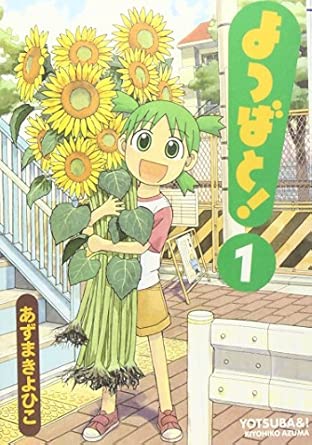
Yotsuba&! (よつばと!)
BeginnerFollow a curious child’s daily adventures with extensive furigana. Perfect for learning shopping phrases, neighborhood interactions, and everyday Japanese life.
Learn: Shopping vocabulary, greetings with neighbors, asking prices, common household items, natural casual speech
Read guide
Chibi Maruko-chan (ちびまる子ちゃん)
BeginnerClassic slice-of-life showing traditional Japanese family life, local shopping streets, and everyday customs that are still relevant today.
Learn: Family conversations, shopping at local stores, traditional customs, seasonal events, polite interactions with shopkeepers
Read guide
Sweetness & Lightning (甘々と稲妻)
BeginnerLearn cooking vocabulary and food preparation through heartwarming stories. Detailed recipes with simple, clear explanations of ingredients and cooking steps.
Learn: Food vocabulary, cooking verbs, ingredient names, kitchen equipment, encouraging phrases, warm family conversations
Read guide📊 Intermediate Level — Restaurant Service & Workplace Communication
Build customer service skills with realistic workplace scenarios, menu descriptions, and team coordination

Working!! (WORKING!!)
IntermediateThe ultimate guide to family restaurant service! Learn order-taking, handling difficult customers, shift coordination, and senpai-kohai workplace dynamics.
Learn: Full customer service phrases, order confirmations, apologizing for mistakes, communicating with kitchen staff, part-time work culture
Read guide
Restaurant to Another World (異世界食堂)
IntermediateA unique restaurant serves fantasy customers. Excellent for learning how to describe dishes, explain ingredients, and handle special dietary requests with care.
Learn: Detailed food descriptions, ingredient explanations, polite recommendations, “Omachi kudasaimase” (please wait), presenting dishes
Read guide
Otherworldly Izakaya Nobu (異世界居酒屋「のぶ」)
IntermediateLearn izakaya (Japanese pub) culture, sake and beer service, small plate ordering system, and how to build rapport with regular customers.
Learn: Alcohol vocabulary, appetizer names, serving drinks, regular customer interactions, creating welcoming atmosphere
Read guide
Silver Spoon (銀の匙)
IntermediateAgricultural school life teaches food production, Japanese work ethics, teamwork, and the journey from farm to table—valuable for understanding food culture.
Learn: Food production terms, agricultural vocabulary, work dedication values, team coordination, respect for ingredients
Read guide
KochiKame: Tokyo Beat Cops (こちら葛飾区亀有公園前派出所)
IntermediateLong-running comedy showing Tokyo’s downtown shopping districts, local businesses, and community interactions over decades of Japanese social change.
Learn: Tokyo dialect, shopping street culture, community interactions, helping customers, casual business relationships
Read guide🏢 Advanced Level — Complex Situations & Deep Cultural Understanding
Master nuanced conversations, handle complex customer situations, and understand Japanese food culture deeply

Midnight Diner (深夜食堂)
AdvancedLate-night diner serving simple comfort food becomes a stage for deep adult conversations, life stories, and the art of listening to customers.
Learn: Advanced conversational Japanese, reading customer moods, empathetic responses, nostalgic food descriptions, life advice phrases
Read guide
What Did You Eat Yesterday? (きのう何食べた?)
AdvancedNatural daily conversations, detailed shopping at supermarkets, budget-conscious cooking, and modern Japanese life—incredibly realistic and practical.
Learn: Supermarket shopping phrases, seasonal ingredients, price negotiations, recipe following, natural conversational flow
Read guide
Oishinbo (美味しんぼ)
AdvancedThe encyclopedia of Japanese food culture—regional specialties, traditional cooking methods, ingredient quality, and the philosophy behind Japanese cuisine.
Learn: Professional food terminology, regional dishes, ingredient sourcing, cooking techniques, food criticism vocabulary
Read guide
Golden Kamuy (ゴールデンカムイ)
AdvancedAdventure series featuring detailed Hokkaido cuisine, wild game preparation, Ainu food culture, and historical Japanese cooking methods.
Learn: Regional food vocabulary, historical cooking methods, wild ingredients, food preparation techniques, cultural food significance
Read guide🏪 Essential for Convenience Store Workers
If you’re specifically planning to work at a Japanese convenience store (konbini), this title is absolutely essential reading. It provides unparalleled insight into the reality of konbini work in Japan.

Convenience Store Woman (コンビニ人間)
Must-Read for Konbini WorkAn incredibly detailed portrayal of convenience store operations—from scanning items and stocking shelves to the specific phrases used for every situation. The protagonist’s dedication to konbini work reveals the precision and care expected in Japanese customer service.
Learn: Exact konbini phrases, product handling, register operations, stocking protocols, cleanliness standards, shift routines, corporate manuals
Read complete guideWhy it’s essential: This novel (available as manga) is required reading for understanding konbini work culture. You’ll learn the exact system, terminology, and mindset needed to succeed in this role. Many Japanese people read this book to understand the dedication and skill involved in convenience store work.
Recommended learning path by job type
🏪 For Convenience Store (Konbini) Workers
Essential order:
- 1. Yotsuba&! — Shopping vocabulary basics
- 2. Convenience Store Woman — Complete konbini guide
- 3. What Did You Eat Yesterday? — Supermarket & product knowledge
Key skills: Product names, register phrases, stocking terminology, customer service scripts, problem handling
🍽️ For Restaurant & Cafe Workers
Progressive path:
- Beginner: Polar Bear Cafe → Sweetness & Lightning
- Intermediate: Working!! → Restaurant to Another World
- Advanced: Midnight Diner → Oishinbo
Key skills: Menu descriptions, order taking, food service, customer interactions, kitchen coordination
🍶 For Izakaya & Bar Workers
Recommended sequence:
- 1. Polar Bear Cafe — Basic service foundation
- 2. Otherworldly Izakaya Nobu — Izakaya operations
- 3. Midnight Diner — Adult conversations & hospitality
Key skills: Drink service, small plates, regular customers, late-night atmosphere, conversation skills
🌟 For General Service Industry
Well-rounded approach:
- 1. Chibi Maruko-chan — Japanese daily life
- 2. Working!! — Service fundamentals
- 3. Silver Spoon — Work ethics & teamwork
- 4. KochiKame — Community interactions
💬 Essential Customer Service Phrases to Master
You’ll encounter these phrases constantly in the manga and at work:
Greetings & Basics:
- いらっしゃいませ (Irasshaimase) — Welcome!
- ありがとうございます (Arigatō gozaimasu) — Thank you
- 少々お待ちください (Shōshō omachi kudasai) — Please wait a moment
- お待たせしました (Omatase shimashita) — Sorry to keep you waiting
Service Phrases:
- ご注文はお決まりですか (Gochūmon wa okimari desu ka) — Ready to order?
- かしこまりました (Kashikomarimashita) — Certainly
- 申し訳ございません (Mōshiwake gozaimasen) — Sincere apology
- またお越しください (Mata okoshi kudasai) — Please come again
How to study effectively with manga & anime
📚 Active Learning Techniques
- Create a phrase notebook organized by situation (greeting customers, taking orders, apologizing)
- Watch with Japanese subtitles first, then without subtitles
- Shadow the characters’ speech patterns and intonation
- Pause and repeat customer service phrases aloud
- Notice body language, bowing angles, and gestures
- Make flashcards of menu items and food vocabulary
⏱️ 8-Week Study Plan
- Weeks 1-2: One Beginner title — focus on basic greetings
- Weeks 3-4: Second Beginner title — expand vocabulary
- Weeks 5-6: First Intermediate title — practice phrases
- Weeks 7-8: Job-specific title — master your work area
- Ongoing: Rewatch episodes, focusing on different aspects each time
🎯 Focus Areas for Service Workers
- Listen for keigo variations: Notice how the same meaning is expressed with different politeness levels
- Observe customer interactions: Pay attention to how staff handle complaints, special requests, and thank customers
- Learn food vocabulary: Make lists of ingredients, cooking methods, and common dishes
- Study workplace hierarchy: Understand senpai-kohai relationships and how to speak to supervisors
- Practice phone manner: Many titles show phone conversations useful for taking reservations
- Note cultural details: How Japanese people order, wait for food, pay bills, and express satisfaction
Frequently Asked Questions
While manga and anime are excellent supplementary tools, you should combine them with formal Japanese study, textbooks, and practice conversations. However, these titles will teach you authentic, natural phrases and help you understand the workplace culture in ways textbooks cannot. Many successful service workers credit manga and anime for helping them understand real-world Japanese.
For anime with subtitles, you can start immediately. For manga, knowing hiragana and katakana will help tremendously. Many digital manga have furigana (pronunciation guides) above kanji, making them accessible to beginners. Start with titles marked “Beginner” that have simpler Japanese.
Begin with the anime version of Polar Bear Cafe or Yotsuba&! with English subtitles. Watch with Japanese audio to train your ear. These have slow-paced dialogue and clear context. After learning hiragana/katakana, try reading Yotsuba&! manga which has extensive furigana.
Availability varies by region. Many titles have official English releases (manga and anime) through platforms like Crunchyroll, Netflix, and manga publishers. Check the linked guides for official sources. Some titles can be purchased digitally from Japanese platforms if you have VPN access.
With dedicated daily study (1-2 hours) combining these manga, textbooks, and conversation practice, you can reach basic conversational level in 6-12 months. Service work typically requires N4-N3 level Japanese (JLPT), achievable in 1-2 years of consistent study. However, some positions accept beginners with strong willingness to learn.
That’s why this guide focuses on titles with realistic workplace settings and appropriate language levels. The recommended titles use natural, appropriate Japanese for service situations. Pay attention to context—use polite phrases from customer service scenes at work, and save casual phrases for personal conversations.
Progression path: (1) English subtitles + Japanese audio to understand the story, (2) Japanese subtitles + Japanese audio to connect sounds with written words, (3) No subtitles to test comprehension. Repeat this cycle as you advance through different titles.
Beyond manga: Preparing for service work in Japan
While manga and anime are powerful learning tools, successful service work in Japan requires:
- Formal Japanese study: Enroll in classes or use structured textbooks alongside manga
- Practice speaking: Find language exchange partners or tutors to practice customer service phrases
- Learn the culture: Understanding Japanese concepts like omotenashi (hospitality), respect for customers, and team harmony
- Physical preparation: Service work in Japan is physically demanding with long hours standing
- Visa requirements: Research working holiday visas, student work permits, or work visas for your country
- Mental readiness: Japanese service standards are very high—customers expect perfection and courtesy
- Backup plan: Have 3-6 months of living expenses saved before arriving
These manga will give you realistic expectations and prepare you mentally for what to expect, which is just as important as learning the language!
Ready to begin your journey? Start with a title that matches your current Japanese level, keep a notebook of useful phrases, and immerse yourself in the wonderful world of Japanese service culture. Working in Japan’s service industry can be challenging but incredibly rewarding—these manga and anime will help you prepare with both language skills and cultural understanding. Remember: every expert started as a beginner. Good luck with your studies, and がんばってください (ganbatte kudasai – do your best)!