Learn Space Adventure Japanese with “Dai Dark” (大ダーク): Rough Speech, Slangy Requests & Exclamations
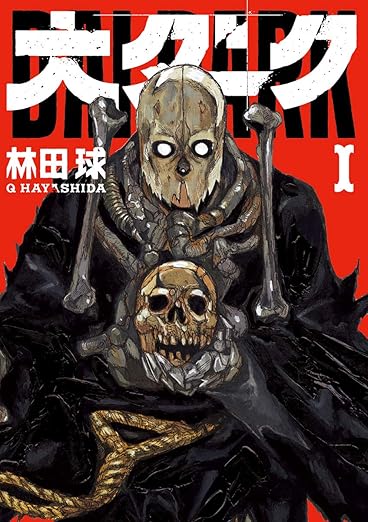
Quick links to search for the manga on Amazon.
Availability varies by region. Searches open in a new tab.
1) Manga Overview: What Is “Dai Dark”?
Q Hayashida’s Dai Dark hurls you into a grim yet hilarious space odyssey where a hunted teen drifts through the cosmos with a snarky talking backpack and a talent for surviving ambushes. Its appeal lies in the wild imagination, black humor, and scrappy teamwork that keep the crew moving. For learners, the dialogue skews plain‑casual and rough (teen speech, outlaws, merchants), offering a rich laboratory for hearing real‑time decisions about tone—how characters bark orders, joke around, bargain, and occasionally switch into polite language for effect.
What Japanese culture and workplace customs can you learn?
Focus on sentence‑ending particles (ぞ・ぜ・さ・な・よ) to read attitude, and on request patterns from blunt ~してくれ to softer ~してくれない?. Track how characters escalate (“やべぇ”, “マジか”) or de‑escalate (“ちょっと待って”). Katakana coinages and sci‑fi terms train your scanning skills and reinforce how context + furigana guide meaning even when vocabulary is new.
-
Rough Endings & Tone:
Learn how ぞ/ぜ add force, な softens, and よ affirms—then compare to neutral forms to avoid sounding too aggressive.
-
Requests on a Slider:
From imperative ~してくれ/~しろ (harsh) to ~してくれない?/~してくれる? (peer‑friendly), practice picking the right strength for the situation.
-
Warnings & Threat Formulas:
Spot patterns like 「変なことしたら~するぞ」 and urgency cues 「逃げろ!」 to recognize stakes quickly.
-
Reaction Words & Interjections:
Build a bank of quick responses: 「マジか」「やべぇ」「いてっ」「うわっ」—useful in casual talk and media.
-
Bargaining & Pushback:
Phrases such as 「値下げしてくれない?」, 「それはムリ」, 「じゃあ~はどう?」 show how to refuse while offering alternatives.
-
Katakana & Invented Terms:
Train to parse sci‑fi names and gear with katakana; rely on context, visuals, and any furigana to decode new items fast.
-
Address & Nicknames:
Notice when characters use names, 呼び捨て, or labels like ~野郎 to signal closeness or hostility.
2) Practical Use Cases: Where You’ll Use This Japanese
Targets: casual banter with friends, online gaming voice chat, bargaining at shops/markets, quick warnings and refusals among peers, understanding slangy shōnen dialogue, sci‑fi and manga discussions.
Politeness vs. Distance (丁寧度×距離感): Quick Comparison
| Function | Casual | Standard Polite | Formal‑Deferential |
|---|---|---|---|
| Request | 手伝ってくれ。 てつだって くれ / tetsudatte kure Help me. |
手伝ってくれる? てつだって くれる? / tetsudatte kureru? Could you help? |
お手数ですが、お手伝いいただけますか。 おてすう ですが、おてつだい いただけますか / otesū desu ga, otetsudai itadakemasu ka May I ask for your help? |
| Refusal / Alternative | 今はムリ。 いま は むり / ima wa muri Can’t now. |
今は難しいです。代わりに明日でどう? いま は むずかしい です。かわりに あした で どう? / ima wa muzukashii desu. kawari ni ashita de dō? |
申し訳ありません。現在は対応いたしかねます。明日でしたら可能です。 もうしわけ ありません… / mōshiwake arimasen… ashita deshitara kanō desu |
| Warning / Threat | 近づくな、撃つぞ。 ちかづくな、うつ ぞ / chikazuku na, utsu zo |
危ないので下がってください。 あぶない ので さがって ください / abunai no de sagatte kudasai |
危険ですので、ご退避をお願いいたします。 きけん ですので、ごたいひ を おねがい いたします / kiken desu no de, gotaihi o onegai itashimasu |
| Thanks / Apology | サンキュ。/ 悪いな。 sankyū / warui na |
ありがとうございます。/ すみません。 arigatō gozaimasu / sumimasen |
誠にありがとうございます。/ 大変失礼いたしました。 makoto ni arigatō gozaimasu / taihen shitsurē itashimashita |
3) Key Scenes (Paraphrased) with Readings & Quick Translations
Scene digest: Haggling at a junk stall in deep space, the hero tries to lower the price without starting a fight.
「値下げしてくれない?」
Reading: ねさげ して くれない? (nesage shite kurenai?)
EN: Could you give me a discount?
Scene digest: Under sudden fire, a crewmate signals immediate cover to the group.
「隠れろ!」
Reading: かくれろ! (kakurero!)
EN: Take cover!
Scene digest: Before entering a risky corridor, one friend asks another to scout ahead.
「ちょっと見てきてくれない?」
Reading: ちょっと みてきて くれない? (chotto mite kite kurenai?)
EN: Can you go take a quick look?
Scene digest: After a double‑cross, the protagonist pushes back with irritated disbelief.
「ふざけんなよ。」
Reading: ふざけんなよ。 (fuzakenna yo.)
EN: Give me a break.
4) Language Breakdown: Vocabulary, Grammar & Discourse
Vocabulary (with collocations)
| Headword | Reading (kana / romaji) | Meaning | EN | Collocations | Near-synonyms / Register |
|---|---|---|---|---|---|
| 宇宙船 | うちゅうせん / uchūsen | 宇宙を航行する船。 | spaceship; spacefaring vessel. | 宇宙船に乗る/宇宙船を操縦する/宇宙船の航路 | 船(general)、シャトル(shuttle; sci‑fi) |
| 廃品 | はいひん / haihin | 不要になった品。役目を終えた物。 | discarded item; scrap. | 廃品回収/廃品置き場 | 廃材(technical)、ジャンク(casual) |
| 骨 | ほね / hone | 体を支える硬い組織;比喩的にも用いる。 | bone; also used metaphorically (core/effort). | 骨を狙う/骨を集める | 骨格(formal) |
| 闇 | やみ / yami | 暗さ。転じて非合法な領域。 | darkness; the underground/black market. | 闇市場/闇取引 | 暗闇(neutral)、裏(slang) |
| 相棒 | あいぼう / aibō | 行動を共にする仲間。 | partner; sidekick. | 相棒と組む/旧相棒 | 仲間(neutral)、相方(casual) |
| 交渉 | こうしょう / kōshō | 話し合いにより条件を決めること。 | negotiation; bargaining. | 交渉に応じる/価格交渉 | 話し合い(softer)、折衝(formal) |
| 襲撃 | しゅうげき / shūgeki | 不意に攻めかかること。 | raid; attack; assault. | 襲撃を受ける/奇襲をかける | 攻撃(general)、強襲(military) |
| 見張り | みはり / mihari | 敵や異常がないか見て張ること。 | lookout; watch/guard duty. | 見張りをする/見張り台 | 警戒(alert)、監視(surveillance) |
| 弾 | たま / tama | 銃などに装填する弾丸。 | bullet; round. | 弾が切れる/弾を込める | 弾丸(formal)、弾薬(ammo) |
| 逃げ道 | にげみち / nigemichi | 逃げるための経路。退路。 | escape route; way out. | 逃げ道を作る/逃げ道を塞ぐ | 退路(formal)、脱出口(exit) |
Grammar & Discourse
Peer‑level imperative that sounds rough or urgent. Often used in action scenes. Use only with close friends/subordinates; otherwise it’s rude.
Example (JP): ドア、閉めてくれ。
Reading: ドア、しめて くれ。 (Doa, shimete kure.)
EN: Shut the door.
Adds a friendly question tone. Works well among equals, softens orders without losing clarity.
Example (JP): ちょっと待ってくれない?
Reading: ちょっと まって くれない? (Chotto matte kurenai?)
EN: Can you wait a sec?
Marks determination, warning, or rallying energy. ぜ is slightly lighter/playful than ぞ; both are masculine‑leaning and rough.
Example (JP): 今日中に終わらせるぞ。
Reading: きょうじゅうに おわらせる ぞ。 (Kyōjū ni owaraseru zo.)
EN: We’ll finish it today!
“If you do X, I’ll do Y.” Compact way to issue a clear boundary in tense scenes.
Example (JP): 変なことしたら、撃つぞ。
Reading: へんな こと したら、うつ ぞ。 (Hen na koto shitara, utsu zo.)
EN: Do anything funny and I’ll shoot.
Casual, edgy reaction to an unwanted fact; avoid in formal contexts.
Example (JP): 今さらかよ。
Reading: いまさら かよ。 (Imasara ka yo.)
EN: Now, seriously?
5) Onomatopoeia (Space Action Flavor)
- ドカン / dokan
- ズドン / zudon
- ゴゴゴ / gogogo
- ギュイーン / gyuīn
- ガシャン / gashan
- ザザッ / zaza
6) Summary
This sci‑fi romp is packed with casual, rough Japanese—great for mastering sentence‑ending particles, urgent requests, warnings, and reaction words. Use it to practice how tone shifts from friendly banter to high‑stakes threats, and how to soften or harden a request on the fly.
Quick links to search for the manga on Amazon.
Availability varies by region. Searches open in a new tab.


