Learn Dark Romance Japanese with “Firefly Wedding” (ホタルの嫁入り): Meiji-Era Love & Dangerous Promises
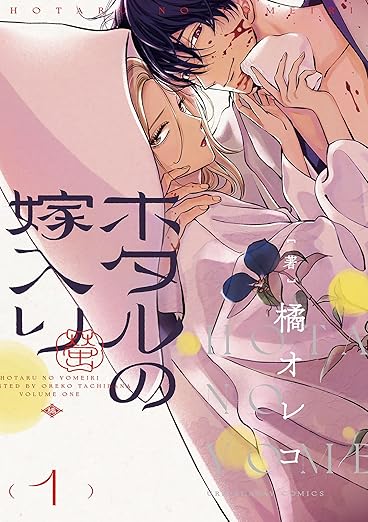
Quick links to search for the manga on Amazon.
Availability varies by region. Searches open in a new tab.
1) Manga Overview: What Is “Firefly Wedding”?
Firefly Wedding (ホタルの嫁入り) is a historical dark romance set in Meiji-era Japan, following terminally ill noblewoman Satoko and the mysterious assassin Shinpei she impulsively asks to marry her in order to survive. The series mixes elegant aristocratic settings, underworld violence, and an intense, possessive love that feels very “Japanese-style dark romance” (和風ダークロマンス). Satoko’s careful, ladylike speech contrasts with Shinpei’s blunt, dangerous tone, giving learners a rich range of registers in one story. Officially available in English through Comikey’s digital serialization and Viz Media’s Shojo Beat volumes (from 2025), the manga has quickly gained a strong following among overseas shōjo/josei readers who enjoy twisted yet devoted romance.
What Japanese culture and workplace customs can you learn?
Learning focus: this series is ideal if you want to hear how refined keigo, formal apologies, and noble-family expressions collide with the rough, direct speech of an assassin. Because the setting is historical but the grammar is mostly modern, you can safely mine real phrases for confessing feelings, swearing to protect someone, or rejecting proposals without sounding like a textbook. Pay attention to how the characters shift politeness depending on power balance (noble vs servant, killer vs target, family vs outsiders), and how small sentence endings or honorific choices completely change the mood of a line.
-
Noble-Lady Register & Family Hierarchy:
Satoko’s lines are full of formal vocabulary like 伯爵, 屋敷, 婚約者 and polite sentence endings, which are great for learning how upper-class women in fiction speak. Listen for how she addresses parents, servants, and suitors differently, and how honorifics like ~様 and respectful verbs signal status.
-
Assassin’s Rough Speech vs Softening His Feelings:
Shinpei often speaks in short, direct sentences, dropping particles or using blunt forms like ~だろ and imperative-like commands. As his feelings deepen, he adds softeners such as ~してくれ, ~してくれないか, or even ~してください in rare serious moments, giving you clear examples of how tough characters soften their language when they care.
-
Life-or-Death Promises & Vows:
The story is built on oaths like “I will protect you” or “I’m prepared to die,” using words such as 守る, 誓う, 命, 覚悟. These phrases appear in many other drama and anime, so learning them here gives you reusable templates for intense declarations of love or resolve.
-
Historical Romance Vocabulary in Modern Media:
Although the setting is Meiji, much of the vocabulary (令嬢, 貴族, 身分, 契約結婚, 政略結婚) also appears in modern romance manga, light novels, and isekai. Building a core word bank from this series will make many other “noble x commoner” or contract-marriage stories easier to read.
-
Softening Requests, Ultimatums & Refusals:
Characters must negotiate dangerous deals and painful choices, so you see many useful patterns: ~てくれませんか for serious requests, ~ていただけますか for deference, さもないと… to threaten consequences, and ちょっと…難しいです for indirect refusals. These are practical for both everyday politeness and dramatic fanfiction.
-
Expressing Fear, Pain & Comfort:
Scenes of illness, kidnapping, and rescue are full of phrases for fear and reassurance: こわい, つらい, 大丈夫だ, 無理をしないで, 傍にいる. Learning how characters comfort each other in high-stakes moments helps you sound more natural when consoling friends in real life or writing emotional scenes.
2) Practical Use Cases: Where You’ll Use This Japanese
Targets: reading josei/shōjo dark romance manga in Japanese, following Meiji-era anime or drama dialogue, writing dramatic fanfiction or roleplay, expressing protective or possessive love in Japanese, understanding emotional keigo and rough speech shifts in romance scenes
Politeness vs. Distance (丁寧度×距離感): Quick Comparison
| Function | Casual | Standard Polite | Formal-Deferential |
|---|---|---|---|
| Requests | 手を貸して。 てを かして / te o kashite – Lend me a hand. |
手を貸してくれませんか。 てを かしてくれませんか / te o kashite kuremasen ka – Could you lend me a hand? |
お力をお貸しいただけますでしょうか。 おちからを おかしいただけますでしょうか / ochikara o okashi itadakemasu deshō ka – Might I ask for your help? |
| Refusals | 無理。 むり / muri – No way. |
ちょっと難しいです。 ちょっと むずかしいです / chotto muzukashii desu – It’s a bit difficult. |
あいにくですが、お受けいたしかねます。 あいにくですが、おうけいたしかねます / ainiku desu ga, o-uke itashikanemasu – I’m afraid I must decline. |
| Apologies | ごめん。 ごめん / gomen – Sorry. |
すみません。 すみません / sumimasen – I’m sorry / excuse me. |
ご迷惑をおかけして申し訳ありません。 ごめいわくを おかけして もうしわけありません / gomeiwaku o okake shite mōshiwake arimasen – I sincerely apologize for the trouble. |
| Reassurance | 俺が守る。 おれが まもる / ore ga mamoru – I’ll protect you. |
私があなたを守ります。 わたしが あなたを まもります / watashi ga anata o mamorimasu – I will protect you. |
必ずお守りいたします。 かならず おまもりいたします / kanarazu o-mamori itashimasu – I will certainly protect you (very respectful). |
3) Key Dark-Romance Scenes (Paraphrased) with Readings
Scene digest: Cornered by a hired killer, Satoko makes a desperate proposal of marriage to save her own life, combining fear with noble dignity.
「お願いです、私と結婚してくれませんか。」
Reading: おねがいです、わたしと けっこんしてくれませんか。 (onegai desu, watashi to kekkon shite kuremasen ka.)
EN: Please, will you marry me?
Scene digest: After agreeing to the contract marriage, Shinpei warns Satoko to stay close if she wants to survive, using a direct but caring command.
「俺から離れないでください。」
Reading: おれから はなれないでください。 (ore kara hanarenaide kudasai.)
EN: Don’t leave my side.
Scene digest: Satoko bows before her family to apologize for worrying them, choosing very formal language that shows both guilt and new resolve.
「ご心配をおかけして申し訳ありません。」
Reading: ごしんぱいを おかけして もうしわけありません。 (goshinpai o okake shite mōshiwake arimasen.)
EN: I am truly sorry for causing you such concern.
4) Language Breakdown: Vocabulary, Grammar & Discourse
Vocabulary (with collocations)
| Headword | Reading (kana / romaji) | Meaning | EN | Collocations | Near-synonyms / Register |
|---|---|---|---|---|---|
| 令嬢 | れいじょう / reijō | 身分の高い家に生まれた若い女性。 | young lady from a high-status or noble family. | 伯爵令嬢/令嬢教育 | お嬢様(やや口語的・敬称)、貴婦人(大人の女性) |
| 殺し屋 | ころしや / koroshiya | 報酬をもらって人を殺す職業の人。 | hired killer; professional assassin. | 腕利きの殺し屋/殺し屋に狙われる | 暗殺者(書き言葉・硬い) |
| 契約結婚 | けいやくけっこん / keiyaku kekkon | 恋愛よりも条件や利害を重視して結ぶ結婚。 | marriage based on terms or convenience rather than pure romance. | 契約結婚を申し出る/契約結婚の条件 | 政略結婚(家や立場のための結婚) |
| 余命 | よめい / yomei | これから先に生きていられると見込まれる時間。 | remaining life expectancy. | 余命が短い/余命宣告を受ける | 寿命(一般的な生きられる年数) |
| 貴族 | きぞく / kizoku | 特権を持つ身分の高い家柄の人。 | noble; member of the aristocracy. | 貴族社会/貴族の館 | 上流階級(広い意味) |
| 覚悟 | かくご / kakugo | よくない結果も受け入れるつもりで心を決めること。 | firm resolve; readiness to face a difficult or dangerous outcome. | 死ぬ覚悟/覚悟を決める | 決意(ポジティブな決心) |
| 執着 | しゅうちゃく / shūchaku | ある人や物事に強くこだわって手放そうとしないこと。 | obsessive attachment; clinginess toward someone or something. | 愛情ゆえの執着/執着心が強い | こだわり(中立〜ポジティブ) |
| 守る | まもる / mamoru | 危険や悪いことから人をかばう。 | to protect; to defend someone from danger or harm. | 命に代えても守る/大事な人を守る | 助ける(その場で救う)、護る(書き言葉・かたい表現) |
Grammar & Discourse
~てくれませんか softens a request while still sounding urgent or serious, which fits scenes where Satoko bargains for her life or asks for protection. Compared with a plain 命令形, it shows you respect the other person’s will, but it is still more direct than ~ていただけませんか, so it suits close but tense relationships like Satoko and Shinpei.
Example (JP): 私と一緒に来てくれませんか。
Reading: わたしと いっしょに きてくれませんか。 (watashi to issho ni kite kuremasen ka.)
EN: Would you come with me?
~てください is the standard polite way to tell someone to do something, often used by characters with higher status or in urgent situations. ~てくださいますか raises the politeness further and feels like a respectful request, not an order. Comparing these forms in the manga helps you hear how tiny changes make a line feel commanding, neutral, or deferential.
Example (JP): 少し離れてください。
Reading: すこし はなれてください。 (sukoshi hanarete kudasai.)
EN: Please step back a little.
~させてください literally means “please let me do (it)” and is perfect for emotional offers such as “Let me protect you” or “Let me stay by your side.” It shows both strong will and respect for the other person’s choice, which matches many key romantic scenes in Firefly Wedding.
Example (JP): 最後まであなたのそばにいさせてください。
Reading: さいごまで あなたの そばに いさせてください。 (saigo made anata no soba ni i-sasete kudasai.)
EN: Please let me stay by your side until the very end.
~わけにはいかない expresses that, because of duty, morals, or feelings, you simply cannot do something. In this series it fits conflicts between family duty and love, such as refusing to betray someone even when it would be socially safer. It is softer than a plain しない, but carries a heavy sense of obligation and inner struggle.
Example (JP): 家のためとはいえ、あなたを裏切るわけにはいかない。
Reading: いえの ためとはいえ、あなたを うらぎる わけには いかない。 (ie no tame to wa ie, anata o uragiru wake ni wa ikanai.)
EN: Even if it is for my family, I just can’t betray you.
5) Onomatopoeia & Mood (Dark Romance Scenes)
- ドキドキ / dokidoki
- ゾクッ / zoku
- ギリッ / giri
- シーン / shiin
6) Summary
This Meiji-era dark romance lets you practice the contrast between a noblewoman’s refined keigo and an assassin’s rough speech, along with dramatic love confessions, life-or-death promises, and soft but firm refusals. With official English releases via Comikey (digital) and Viz Media (print from 2025), it has become a popular gateway title for overseas shōjo/josei fans who want to enjoy Japanese-style dark romance in the original language.
Quick links to search for the manga on Amazon.
Availability varies by region. Searches open in a new tab.


