Learn Dark Fantasy Japanese with “Gleipnir” (グレイプニル): Casual Talk, Threats & Emotional Outbursts
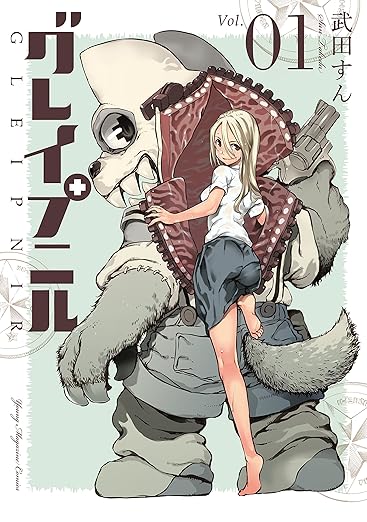
Quick links to search for the manga on Amazon.
Availability varies by region. Searches open in a new tab.
1) Manga Overview: What Is “Gleipnir”?
Gleipnir (グレイプニル) follows high-schooler Shuichi Kagaya, who can transform into a giant mascot-like monster, and the fearless Claire Aoki as they dive into a deadly game involving other ability users. Serialized in Kodansha's seinen magazines, it mixes dark fantasy, mystery, and body-horror action with surprisingly grounded small-town and school life. For learners, that means lots of realistic teen speech, raw emotional outbursts, and tense negotiations between allies and enemies. If you enjoy edgy supernatural stories and want to hear how Japanese actually sounds when people are scared, angry, or determined, this series is a rich resource.
What Japanese culture and workplace customs can you learn?
Learning focus: casual Japanese among close friends and rivals, strong emotional language (fear, anger, resolve), and how characters give orders or ask for help in high-stress situations. Watch how Shuichi and Claire switch between plain forms, rough imperatives, and slightly softened requests depending on who they are talking to. The story also repeats core verbs like 守る, 助ける, 変わる, and set phrases like 力を貸して and もう戻れない, making them easy to notice and internalize.
-
Casual Teen Speech & Sentence Endings:
Learn how high-school characters drop particles, shorten ~ている to ~てる, and use sentence-final particles like よ, ぞ, さ, and かな to show attitude, insistence, and uncertainty.
-
Asking for Help Under Pressure:
Notice how phrases such as 力を貸して, 手伝ってくれ, and 頼むよ appear when characters rely on each other in dangerous scenes, showing different levels of urgency, roughness, and emotional dependence.
-
Threats, Warnings & Boundaries:
You will meet many lines that push others away or draw a line, like 近づくな, 触るなよ, or 殺すぞ, which are useful for understanding how Japanese expresses danger and emotional distance (but not for polite everyday use!).
-
Vows, Resolve & Guilt:
Expressions such as 必ず~する, 覚悟はできてる, and 俺のせいだ teach you how characters talk about responsibility, regret, and determination when things go wrong.
-
Group Strategy & Battle Coordination:
Strategy scenes are full of verbs like 攻める, 守る, 引く, and 逃げる, plus patterns like ~方がいい and ~べきだ to suggest plans, give orders, or propose safer alternatives.
-
Small-Town & Everyday Vocabulary:
Because the story is set in a rural town, you will also pick up words for warehouses, mountains, coins, and local facilities, mixing everyday nouns with supernatural items and powers.
2) Practical Use Cases: Where You’ll Use This Japanese
Targets: anime and manga immersion, understanding action-anime dialogue, online gaming voice chat, close-friend conversations, emotional arguments and reconciliations, talking about fear and danger, reading dark fantasy manga in Japanese
Politeness vs. Distance (丁寧度×距離感): Quick Comparison
| Function | Casual | Standard Polite | Formal-Deferential |
|---|---|---|---|
| Request Help | 力を貸して。 ちからを かして / chikara o kashite Help me. |
力を貸してくれますか。 ちからを かして くれますか / chikara o kashite kuremasu ka Could you help me? |
お力をお貸しいただけますか。 おちからを おかしいただけますか / ochikara o okashi itadakemasu ka May I ask for your assistance? |
| Warn / Stop Someone | 近づくな。 ちかづくな / chikazuku na Don't come closer. |
これ以上近づかないでください。 これいじょう ちかづかないで ください / kore ijō chikazukanaide kudasai Please do not come any closer. |
恐れ入りますが、これ以上お近づきにならないでください。 おそれいりますが、これいじょう おちかづきに ならないでください / osore irimasu ga, kore ijō ochikazuki ni naranaide kudasai We must ask that you not approach any further. |
| Apologize | 悪かった。 わるかった / warukatta My bad. |
すみませんでした。 すみませんでした / sumimasen deshita I am sorry. |
ご迷惑をおかけして申し訳ありません。 ごめいわくを おかけして もうしわけ ありません / gomeiwaku o okakeshite mōshi wake arimasen I sincerely apologize for the trouble. |
| Reassure Someone | 大丈夫、俺がなんとかする。 だいじょうぶ、おれが なんとかする / daijōbu, ore ga nantoka suru It's fine, I'll handle it. |
大丈夫ですよ、私がなんとかします。 だいじょうぶですよ、わたしが なんとか します / daijōbu desu yo, watashi ga nantoka shimasu It will be okay, I will take care of it. |
ご安心ください、こちらで対処いたします。 ごあんしん ください、こちらで たいしょ いたします / go-anshin kudasai, kochira de taisho itashimasu Please rest assured, we will handle it on our side. |
3) Key Emotional & Battle Scenes (Paraphrased) with Useful Japanese Lines
Scene digest: Shuichi rescues Claire from a burning building, and later she corners him, asking him to use his strange power to help her.
「力を貸してね。」
Reading: ちからを かしてね。 (chikara o kashite ne.)
EN: Lend me your strength, okay.
Scene digest: Inside Shuichi's transformed body, Claire reassures him that they will face the danger together as one.
「二人で一つなんだから。」
Reading: ふたりで ひとつ なんだから。 (futari de hitotsu nan dakara.)
EN: Because the two of us are one.
Scene digest: In the woods, Shuichi confronts another ability user and draws a clear line, warning them not to come any closer.
「これ以上近づくな。」
Reading: これいじょう ちかづくな。 (kore ijō chikazuku na.)
EN: Don't come any closer.
Scene digest: After their actions put someone in danger, Shuichi blames himself and apologizes from the heart.
「全部俺のせいだ、ごめん。」
Reading: ぜんぶ おれの せいだ、 ごめん。 (zenbu ore no sei da, gomen.)
EN: It's all my fault, I'm sorry.
4) Language Breakdown: Vocabulary, Grammar & Discourse
Vocabulary (with collocations)
| Headword | Reading (kana / romaji) | Meaning | EN | Collocations | Near-synonyms / Register |
|---|---|---|---|---|---|
| 能力 | のうりょく / nōryoku | 人や物がもつ力。できること。 | ability; capacity; special power. | 能力を使う/能力に目覚める/能力者 | 力(一般的)、才能(生まれつきの力) |
| 変身 | へんしん / henshin | 姿や形が変わること。 | transformation; changing form. | 怪物に変身する/変身シーン/変身能力 | 変化(広い意味) |
| 着ぐるみ | きぐるみ / kigurumi | 人が中に入る動物やキャラクターの大きな服。 | full-body costume; mascot suit. | 着ぐるみの中に入る/着ぐるみ姿/着ぐるみキャラ | マスコット(キャラクター) |
| 仲間 | なかま / nakama | 同じ目的をもつ友人や味方。 | companion; comrade; ally. | 仲間を守る/仲間を信じる/仲間外れにする | 友達(カジュアル)、味方(対立関係で) |
| 危険 | きけん / kiken | 危ないこと。リスク。 | danger; risk. | 危険を感じる/危険な場所/危険を承知で | リスク(外来語)、危機(深刻な状態) |
| 覚悟 | かくご / kakugo | よくない結果も受け入れる決心。 | readiness; resolution; preparedness (to face consequences). | 覚悟を決める/死ぬ覚悟/覚悟はできてる | 決意(もう少しポジティブ) |
| 罪悪感 | ざいあくかん / zaiakukan | 悪いことをしたと思ってつらく感じる気持ち。 | feeling of guilt. | 罪悪感を抱く/罪悪感に苦しむ | 後悔(くやむ気持ち) |
| 本性 | ほんしょう / honshō | その人や物が本来もっている性質。 | true nature; real character. | 本性を現す/本性がバレる | 正体(何者かということ) |
Grammar & Discourse
仲間に助けを求めるときによく使う表現です。短く「力を貸して」と言うと強めで直接的、「力を貸してくれない?」と疑問形にすると、少しやわらかくなり、お願いのニュアンスが強くなります。
Example (JP): ちょっとだけ力を貸してくれない?
Reading: ちょっとだけ ちからを かして くれない? (chotto dake chikara o kashite kurenai?)
EN: Could you lend me a bit of your strength?
追い詰められた状況で「ほかの選択肢がない」と言いたいときに使います。動詞の辞書形+しかない、で「〜するしかない」となり、あきらめや覚悟の気持ちがこもります。
Example (JP): ここまで来たら、戦うしかない。
Reading: ここまで きたら、 たたかう しかない。 (koko made kitara, tatakau shika nai.)
EN: Now that we've come this far, we have no choice but to fight.
はっきり言い切らずに「〜かもしれない」と言うと、可能性をにごして伝えます。危険や不安を話す場面でよく出てきて、英語の “might” や “maybe” に近いニュアンスです。
Example (JP): この町はもう安全じゃないかもしれない。
Reading: この まちは もう あんぜん じゃない かもしれない。 (kono machi wa mō anzen janai kamoshirenai.)
EN: This town might not be safe anymore.
「〜のは+人だ」で、「それをするのはこの自分だ」と強く言い切る形です。守る、助ける、終わらせるなどの動詞と一緒に使って、責任や決意をドラマチックにアピールします。
Example (JP): 彼女を守るのは俺だ。
Reading: かのじょを まもる のは おれだ。 (kanojo o mamoru no wa ore da.)
EN: I'm the one who will protect her.
5) Onomatopoeia & Mood in Dark Action Scenes
- ドキドキ / dokidoki
- ゾクッ / zoku
- ゴオオ / gooo
- ガシッ / gashi
- ザッ / za
- ボタボタ / botabota
- バキッ / baki
6) Summary
Gleipnir is packed with intense but natural high-school Japanese: rough casual speech, urgent requests, and emotionally charged arguments in a small-town setting. Use it to train your ear for real-speed teen dialogue, sentence-final particles, and how characters shift tone when they are scared, desperate, or hiding something.
Quick links to search for the manga on Amazon.
Availability varies by region. Searches open in a new tab.


