Learn School Japanese with “Great Teacher Onizuka” (グレート・ティーチャー・オニヅカ): Youth Slang, Classroom Drama & Teacher Talk
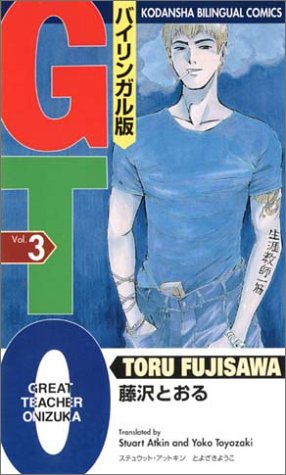
Quick links to search for the manga on Amazon.
Availability varies by region. Searches open in a new tab.
1) Manga Overview: What Is “Great Teacher Onizuka”?
Great Teacher Onizuka is a school comedy in which former bōsōzoku biker Eikichi Onizuka, now a 22-year-old rookie teacher, is put in charge of a notoriously broken class and tries to save his students with outrageous stunts and heartfelt lectures. Serialized in Kodansha’s Weekly Shōnen Magazine and later released worldwide, the manga gained a large overseas following: Tokyopop published all 25 volumes in English, and the series was later digitally re-released by Kodansha USA. The anime adaptation has also been broadcast and streamed abroad, so many learners already know the characters and story. For Japanese learners, GTO is valuable because it mixes everyday school language, staffroom talk, and very rough but expressive teen slang in a vivid, dramatic setting.
What Japanese culture and workplace customs can you learn?
Learning focus: GTO is ideal if you want to hear how Japanese teens and a tough but caring teacher actually talk: casual contractions, slangy sentence endings, and strong emotional expressions. You also hear standard polite forms when teachers speak with the principal, parents, or education board, so you can compare plain and polite styles in the same scene. Pay close attention to how Onizuka and the students switch between joking, threatening, apologizing, and encouraging each other, and how the grammar and word choice change with the mood.
-
Classroom & School Vocabulary:
Learn core words for teachers, homerooms, school rules, suspensions, make-up lessons, and more, all used naturally in a Japanese junior-high setting.
-
Youth Slang & Rough Register:
GTO is full of casual contractions, tough-guy sentence endings, and slangy insults that show how young people sound when they are relaxed, angry, or joking with close friends.
-
Commands, Threats & Warnings:
Onizuka often uses imperative forms like ~しろ, ~しなさい, and ~するな to control the class, giving you concrete examples of strong commands and when they are (and are not) acceptable.
-
Pep Talks & Encouragement:
The series balances rough talk with moving speeches, so you can pick up phrases for cheering someone up, telling them they are not alone, and expressing determination not to give up.
-
Talking Back to Authority:
Students talk back to teachers, and Onizuka himself challenges the principal and parents; this helps you hear how disagreement, sarcasm, and resistance are expressed in Japanese.
-
Emotional Interjections & Reactions:
GTO is packed with interjections (えぇっ, うそだろ, マジかよ) and reaction words that make spoken Japanese sound lively and natural when you react to surprises or shocks.
2) Practical Use Cases: Where You’ll Use This Japanese
Targets: school staffrooms, junior-high and high-school classrooms, conversations with Japanese classmates, ALT or JET classroom support, youth clubs and after-school activities, cram schools, homestays with teenagers
Politeness vs. Distance (丁寧度×距離感): Quick Comparison
| Function | Casual (friends, close classmates) | Standard Polite (teacher ⇄ student, parents) | Formal-Deferential (principal, board, complaints) |
|---|---|---|---|
| Request | JP: ドア閉めてくれよ。 Reading: どあ しめて くれよ。 EN: Shut the door for me, will you? |
JP: ドアを閉めてください。 Reading: どあ を しめて ください。 EN: Please close the door. |
JP: お手数ですが、ドアをお閉めいただけますか。 Reading: おてすう ですが、どあ を おしめ いただけますか。 EN: If it is not too much trouble, would you mind closing the door? |
| Refusal | JP: ムリ、そんなのやってらんねーよ。 Reading: むり、そんなの やってらんねーよ。 EN: No way, I’m not doing that. |
JP: すみませんが、それはできません。 Reading: すみません が、それ は できません。 EN: I’m sorry, but I can’t do that. |
JP: 申し訳ありませんが、そのご依頼にはお応えいたしかねます。 Reading: もうしわけ ありません が、その ごいらい には おこたえ いたしかねます。 EN: I am very sorry, but I must decline that request. |
| Scolding | JP: いいかげんにしろよ! Reading: いいかげん に しろよ! EN: Cut it out already! |
JP: もう少し静かにしなさい。 Reading: もうすこし しずか に しなさい。 EN: Please be a bit quieter. |
JP: 授業の妨げになりますので、お静かにお願いいたします。 Reading: じゅぎょう の さまたげ に なります ので、おしずか に おねがい いたします。 EN: This disrupts the lesson, so I must ask you to be quiet. |
| Encouragement | JP: ビビってんじゃねぇよ、やってみろ! Reading: びびってん じゃねぇよ、やってみろ! EN: Don’t chicken out, just try it! |
JP: 大丈夫、失敗してもいいから挑戦してごらん。 Reading: だいじょうぶ、しっぱい しても いい から ちょうせん して ごらん。 EN: It’s okay to fail, so go ahead and give it a try. |
JP: 君なら必ず乗り越えられると信じています。 Reading: きみ なら かならず のりこえられる と しんじて います。 EN: I believe you are capable of overcoming this. |
3) Key Classroom Scenes (Paraphrased) with Useful Phrases & Readings
Scene digest: Onizuka faces his new homeroom for the first time and has to shout over the noise to get the class under control.
「うるせー、静かにしろ!」
Reading: うるせー、しずかにしろ! (urusē, shizuka ni shiro!)
EN: Shut it, quiet down!
Scene digest: A bullied student tries to skip school, and Onizuka speaks roughly but kindly to convince them they are not alone.
「おまえは一人じゃねぇからな。」
Reading: おまえ は ひとり じゃねぇ からな。 (omae wa hitori janē kara na.)
EN: You’re not on your own, you know.
Scene digest: After causing trouble with one of his wild ideas, Onizuka bows to the principal and parents and apologizes in polite Japanese.
「ご迷惑をおかけして、本当にすみませんでした。」
Reading: ごめいわく を おかけして、ほんとうに すみませんでした。 (gomeiwaku o okake shite, hantō ni sumimasen deshita.)
EN: I’m truly sorry for all the trouble I caused.
Scene digest: The class is close to giving up, but Onizuka makes a loud promise to fix things, showing strong determination.
「俺が絶対にこのクラスを立て直してやる!」
Reading: おれ が ぜったいに この くらす を たてなおしてやる! (ore ga zettai ni kono kurasu o tate naoshite yaru!)
EN: I’ll definitely turn this class around!
4) Language Breakdown: Vocabulary, Grammar & Discourse
Vocabulary (with collocations)
| Headword | Reading (kana / romaji) | Meaning | EN | Collocations | Near-synonyms / Register |
|---|---|---|---|---|---|
| 問題児 | もんだいじ / mondaiji | 問題行動の多い子ども・生徒。 | problem child; student who often causes trouble. | 問題児クラス/問題児ばかりの学年 | やんちゃな子(milder)、不良(stronger, delinquent) |
| 学級崩壊 | がっきゅうほうかい / gakkyū hōkai | 規律が乱れ授業が成り立たなくなる状態。 | a class so out of control that normal lessons break down. | 学級崩壊を立て直す/学級崩壊の危機 | 荒れたクラス |
| 担任 | たんにん / tannin | 特定のクラスを受け持つ教師。 | homeroom teacher in charge of a specific class. | 担任の先生/一年三組の担任を受け持つ | ホームルームの先生 |
| 生徒指導 | せいとしどう / seito shidō | 生活・態度・規律などに関する生徒への指導。 | student guidance, especially for behavior, attitudes, and discipline. | 生徒指導室/生徒指導の先生 | 指導(general guidance)、生活指導(lifestyle guidance) |
| 校則 | こうそく / kōsoku | 学校で定められた決まり。 | school rules and regulations. | 校則を守る/校則違反 | ルール、規則 |
| 停学 | ていがく / teigaku | 一定期間、登校を禁じる懲戒処分。 | suspension from school as a disciplinary measure. | 停学処分になる/一週間の停学 | 出席停止 |
| 補習 | ほしゅう / hoshū | 遅れを取り戻すためなどに行う追加授業。 | supplementary or remedial lessons to catch up. | 補習を受ける/補習に呼ばれる | 居残り授業(informal) |
| 不良 | ふりょう / furyō | 問題行動の多い少年・少女。 | delinquent youth; kid with serious behavior problems. | 不良グループ/不良少年 | ヤンキー(slangy delinquent)、チンピラ(petty thug) |
| 根性 | こんじょう / konjō | 困難に負けない気力・精神力。 | guts; mental toughness that does not give in. | 根性を見せる/根性で乗り切る | 気合い、精神力 |
| 先生 | せんせい / sensei | 学校などで教える人への呼びかけ。 | teacher; polite title for someone who teaches. | 新任の先生/先生に相談する | 教師(more formal) |
Grammar & Discourse
命令形「~しろ」は男っぽく荒い響きがあり、友達同士やドラマの中の先生・不良などがよく使います。「~しなさい」は同じく命令ですが、教師や親が子どもに言う少し柔らかめの言い方です。GTOでは Onizuka が状況に応じて両方を使い分けるので、強さのニュアンスを聞き分けてみましょう。
Example (JP): 静かにしろ、授業を始めるぞ!
Reading: しずかにしろ、じゅぎょうを はじめるぞ! (shizuka ni shiro, jugyō o hajimeru zo!)
EN: Be quiet, class, we’re starting the lesson!
文末の「~んだ」「~んだよ」は、理由や背景を説明したり、話し手の気持ちを強く出したりするときに使います。GTOでは、Onizuka が生徒を叱ったり、本音をぶつけたりするときに多用し、荒っぽいが熱いニュアンスを生み出しています。
Example (JP): 逃げてばかりじゃ何も変わらないんだよ。
Reading: にげて ばかり じゃ なにも かわらないんだよ。 (nigete bakari ja nanimo kawaranai n da yo.)
EN: Nothing will change if you just keep running away.
「~してやる」は、自分が相手のために何かをしてあげるという意味ですが、「~してあげる」よりも立場の強さや男っぽさが出ます。GTOでは Onizuka が「助けてやる」「面倒見てやる」などと宣言し、乱暴だけど頼りになる先生像を作っています。
Example (JP): 俺が勉強みてやるから、ちゃんと来い。
Reading: おれ が べんきょう みてやる から、ちゃんと こい。 (ore ga benkyō mite yaru kara, chanto koi.)
EN: I’ll help you study, so make sure you show up.
「絶対に~ない」は「絶対にあきらめない」など、強い決意を表すときによく使われます。「~なんか~ない」を組み合わせると、相手の言葉を強く否定する響きになります。GTOでは、生徒や Onizuka が自分の信念を貫く場面で頻出する表現です。
Example (JP): 俺は絶対にあきらめなんかしない。
Reading: おれ は ぜったいに あきらめ なんか しない。 (ore wa zettai ni akirame nanka shinai.)
EN: I’m never going to give up, no matter what.
5) Onomatopoeia & Register (School Comedy Flavor)
- ドキドキ / dokidoki
- ワイワイ / waiwai
- ガーン / gān
- バキッ / baki
- ズーン / zūn
- ギャー / gyā
6) Summary
Follow ex-biker teacher Onizuka as he takes on a class full of so-called problem students and pick up the kind of Japanese you actually hear in real junior-high classrooms: rough youth slang, emotional pep talks, and teacher–student banter. Use this series to sharpen your ear for casual speech, school vocabulary, and when to switch between joking around and speaking seriously.
Quick links to search for the manga on Amazon.
Availability varies by region. Searches open in a new tab.


