Learn High School Romance Japanese with “In the Clear Moonlit Dusk” (うるわしの宵の月): Two ‘Princes’ & Everyday Talk
Quick links to search for the manga on Amazon.
Availability varies by region. Searches open in a new tab.
1) Manga Overview: What Is “In the Clear Moonlit Dusk”?
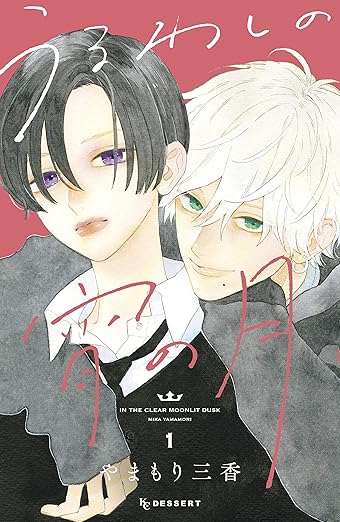
In the Clear Moonlit Dusk (うるわしの宵の月) is a high school romance manga by Mika Yamamori about Yoi, a girl seen as the school’s ‘prince’, and Ichimura-senpai, another ‘prince’ with a different vibe. Their slow-burn relationship explores how people look past appearances and learn to name their feelings. Published in Kodansha’s shōjo magazine Dessert and released in English by Kodansha USA, it has gained international recognition as a girl-focused romance between two ‘princes’. With an anime adaptation scheduled for January 2026, it is expected to reach even more overseas fans and offers learners multiple ways to experience the story.
What Japanese culture and workplace customs can you learn?
Learning focus: Natural high school Japanese with realistic conversations between classmates, senpai, family, and part-time job co-workers. You will hear how teens soften romantic feelings, respond to compliments, and talk about gender and appearance using words like 王子, 見た目, and 中身. Because Kodansha USA publishes the series in English and an anime version is on the way, it is easy to compare Japanese and English lines and then check how the same scenes sound in audio.
-
High School Social Phrases:
Learn classroom and hallway Japanese such as greeting classmates, calling out to a senpai, and chatting after club activities. Many lines are short, reusable patterns you can copy for your own school or online communities.
-
Gender Expression & Nicknames 'Prince':
Yoi and Ichimura are both called 王子 at school, so you see how nicknames, pronouns, and labels like 男っぽい or 中性的 are used in real dialogue. This helps you talk sensitively about how people look and how they wish to be seen.
-
Soft Romantic Confessions:
The manga is full of indirect ways to show interest, such as inviting someone to walk home together, checking how they feel, or testing the waters before a confession. You can pick up set phrases that sound natural instead of overly dramatic.
-
Balancing Casual and Polite:
Yoi shifts between casual speech with close friends and more polite forms when talking to Ichimura-senpai, adults, or customers at her part-time job. Watching these shifts trains your ear for when to use です・ます versus plain forms.
-
Inner Voice vs Spoken Words:
Thought bubbles and narration use a slightly different register from spoken lines, often shorter and more emotional. Comparing the two will sharpen your sense of nuance and sentence-final particles like な, かな, and かも.
-
Reading Shōjo Manga Visual Cues:
Panel layout, background effects, and onomatopoeia like ドキドキ or キュン reinforce how characters feel. Learning to connect these visual cues with the Japanese text makes all your future shōjo reading much easier.
2) Practical Use Cases: Where You’ll Use This Japanese
Targets: Japanese high school settings, talking with classmates and senpai, light romantic conversations, online fandom discussions, reading Kodansha USA editions alongside the anime, describing appearance and personality.
Politeness vs. Distance (丁寧度×距離感): Quick Comparison
| Function | Casual | Standard Polite | Formal-Deferential |
|---|---|---|---|
| Requests | JP: ちょっと待って。 Reading: ちょっと まって / chotto matte. EN: Wait a second. |
JP: 少々待ってもらってもいいですか。 Reading: しょうしょう まって もらっても いいですか / shōshō matte morattemo ii desu ka. EN: Would it be alright if you waited a moment. |
JP: 少々お待ちいただけますか。 Reading: しょうしょう おまち いただけますか / shōshō omachi itadakemasu ka. EN: May I ask you to wait a moment. |
| Refusals | JP: 今は無理。 Reading: いまは むり / ima wa muri. EN: I cannot right now. |
JP: 今はちょっと難しいです。 Reading: いまは ちょっと むずかしいです / ima wa chotto muzukashii desu. EN: It is a bit difficult right now. |
JP: あいにくですが、今回はご遠慮させていただきます。 Reading: あいにくですが、こんかいは ごえんりょさせて いただきます / ainiku desu ga, konkai wa go-enryo sasete itadakimasu. EN: Unfortunately, I must refrain this time. |
| Suggesting Alternatives | JP: じゃあ、明日ならどう。 Reading: じゃあ、あしたなら どう / jā, ashita nara dō. EN: Then, how about tomorrow. |
JP: では、明日ならどうですか。 Reading: では、あしたなら どうですか / dewa, ashita nara dō desu ka. EN: Well then, how about tomorrow. |
JP: それでは、明日でしたらいかがでしょうか。 Reading: それでは、あしたでしたら いかがでしょうか / soredewa, ashita deshitara ikaga deshō ka. EN: In that case, would tomorrow work for you. |
| Confirmations | JP: これで合ってる。 Reading: これで あってる / kore de atteru. EN: Is this right. |
JP: これで合っていますか。 Reading: これで あっていますか / kore de atteimasu ka. EN: Is this correct. |
JP: こちらの内容で問題ございませんでしょうか。 Reading: こちらの ないようで もんだい ございませんでしょうか / kochira no naiyō de mondai gozaimasen deshō ka. EN: Would there be any problem with these details. |
3) Key High School Romance Scenes (Paraphrased) with Readings
Scene digest: Ichimura first calls Yoi beautiful and treats her as a girl, not just the cool 'prince' everyone admires, so she has to respond to a direct compliment in front of others.
「君、すごくきれいだね。」
Reading: きみ、すごく きれいだね。 (kimi, sugoku kirei da ne.)
EN: You look really beautiful.
Scene digest: Classmates tease Yoi as the school's prince, and she pushes back by downplaying the label, showing how to gently refuse a compliment or nickname.
「私、王子なんかじゃないよ。」
Reading: わたし、おうじ なんかじゃないよ。 (watashi, ōji nanka ja nai yo.)
EN: I am not some kind of prince.
Scene digest: Walking home together at twilight, Yoi's heart races and she finally puts small, hesitant words on her feelings.
「一緒にいると、胸がドキドキする。」
Reading: いっしょに いると、むねが ドキドキする。 (issho ni iru to, mune ga dokidoki suru.)
EN: When I'm with you, my heart starts pounding.
4) Language Breakdown: Vocabulary, Grammar & Discourse
Vocabulary (with collocations)
| Headword | Reading (kana / romaji) | Meaning | EN | Collocations | Near-synonyms / Register |
|---|---|---|---|---|---|
| 王子 | おうじ / ōji | ここでは、周囲から憧れられる存在につけられるあだ名 | here, a nickname for someone admired like a fairy-tale prince | 学校の王子/二人の王子/王子キャラ | プリンス(カタカナ語)、ヒーロー(物語の主人公) |
| 先輩 | せんぱい / senpai | 学校・職場などで自分より経験の長い人 | senior at school, club, or work | イチムラ先輩/先輩に憧れる/先輩に相談する | 上級生、年上の人(より一般的) |
| 告白 | こくはく / kokuhaku | 自分の気持ち(特に恋愛感情)を相手に打ち明けること | confession, especially of romantic feelings | 告白する/告白のタイミング/告白の返事 | 気持ちを伝える、プロポーズ(結婚の申し込み) |
| 見た目 | みため / mitame | 外から見える姿・印象 | outward appearance | 見た目と中身/見た目が大人っぽい/見た目で判断する | 外見、ビジュアル |
| 中身 | なかみ / nakami | 人の性格・考え方など内側の部分 | a person's inner self, personality, or contents | 中身を見る/中身が大事/見た目より中身 | 本当の自分、内面 |
| 雰囲気 | ふんいき / fun'iki | その場や人から感じる空気・ムード | atmosphere, mood around a person or place | 大人っぽい雰囲気/学校の雰囲気/二人の雰囲気 | ムード、空気感 |
| 距離を縮める | きょりを ちぢめる / kyori o chijimeru | 心の距離・関係性を近づけること | to get closer to someone emotionally | 少しずつ距離を縮める/先輩との距離を縮めたい | 仲良くなる、打ち解ける |
| 憧れる | あこがれる / akogareru | ある人や状態に強く引かれて、そうなりたいと思う | to admire and long for someone or something | 先輩に憧れる/恋に憧れる/都会の生活に憧れる | 好きになる、尊敬する(ややフォーマル) |
Grammar & Discourse
Teen characters often use みたい instead of ようだ to say that something looks or feels like something else. It is casual but very common in shōjo manga when talking about people, moods, or situations.
Example (JP): 先輩って、本当に王子みたい。
Reading: せんぱいって、ほんとうに おうじ みたい。 (senpai tte, hontō ni ōji mitai.)
EN: You really are like a prince.
Sentence-final かな expresses a question to oneself or a very soft doubt, often used in inner monologue. It sounds less direct than ~ですか and fits shy or unsure thoughts about love.
Example (JP): これって恋なのかな。
Reading: これって こいなのかな。 (kore tte koi na no kana.)
EN: I wonder if this is love.
かも is a clipped form of かもしれない and is very frequent in casual speech. It lets you say that something might be true without sounding too strong or certain.
Example (JP): 私たち、意外と似てるかも。
Reading: わたしたち、いがいと にてるかも。 (watashi-tachi, igai to niteru kamo.)
EN: Maybe we are more alike than I thought.
っていうか lets the speaker correct or soften what they just said, similar to ‘I mean’ or ‘or rather’ in English. It is very common in teen dialogue when feelings are complicated.
Example (JP): 好きっていうか、気になるって感じ。
Reading: すきっていうか、きになるって かんじ。 (suki tte iu ka, ki ni naru tte kanji.)
EN: I mean, maybe not love, but I just cannot stop thinking about you.
5) Onomatopoeia & Mood (High School Romance Flavor)
- ドキドキ / dokidoki
- キュン / kyun
- ワクワク / wakuwaku
- ザワザワ / zawazawa
- ニコニコ / nikoniko
6) Summary
This shōjo manga follows a high school romance between two 'princes', making it ideal for learning how teens in Japan talk about gender, appearance, and feelings. Because Kodansha USA publishes an English edition and an anime adaptation is set to expand its global reach, you can combine the manga, official translation, and future anime audio for multi-modal study.
Quick links to search for the manga on Amazon.
Availability varies by region. Searches open in a new tab.


