Learn Everyday Japanese with “Princess Jellyfish” (海月姫): Casual Speech, Friendship Talk & Style Vocabulary
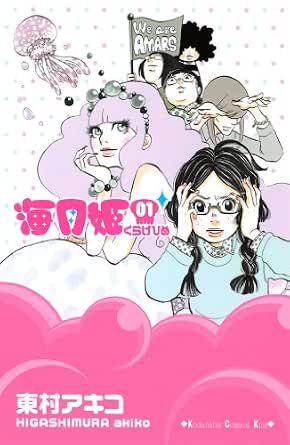
Quick links to search for the manga on Amazon.
A subscription is required, but you can start a Free Trial here。
Availability varies by region. Searches open in a new tab.
1) Manga Overview: What Is “Princess Jellyfish”?
Princess Jellyfish follows Tsukimi, a jellyfish-obsessed shut-in living in a women-only apartment full of fellow misfits, and Kuranosuke, a stylish cross-dressing outsider who shakes up their routine. The series is popular because it mixes sharp comedy, warm friendship, and makeover drama, while Tsukimi remains a very relatable heroine for anyone who feels shy, out of place, or intensely passionate about a hobby.
What Japanese culture and workplace customs can you learn?
Learning focus: The dialogue is richest when characters are teasing one another, making tentative requests, or defending their interests. Pay attention to sentence endings that soften opinions, the contrast between casual in-group talk and more polished fashion-world speech, and the everyday words for emotions, clothes, and relationships.
-
Group Banter & Shared-Apartment Speech:
The Amamizukan scenes are full of short, fast exchanges, interruptions, and omitted subjects. Learners can practice how close friends speak when they do not need to repeat obvious information.
-
Soft Requests & Gentle Refusals:
Watch for 〜てくれる?, 〜てもらえる?, and refusal patterns like ちょっと…. These are extremely useful in everyday Japanese because they sound natural without being too blunt.
-
Shifting Self-Presentation:
The series contrasts blunt otaku speech, cute or shy speech, and polished style-conscious speech. It is a good reminder that Japanese speakers shift style depending on identity, audience, and mood.
-
Fashion Vocabulary In Context:
Because clothes and styling matter to the plot, you get repeated exposure to words for outfits, design, fit, and appearance. That makes the vocabulary easier to remember than in a list.
-
Emotion Words & Onomatopoeia:
Feelings such as embarrassment, excitement, and panic are expressed with compact words and sounds like ドキドキ and そわそわ. These are high-value listening cues in anime and manga dialogue.
2) Practical Use Cases: Where You’ll Use This Japanese
Targets: roommate conversations, casual texting, shopping trips, fashion makeovers, advice between friends, awkward refusals, soft requests, hobby talk
Politeness vs. Distance (丁寧度×距離感): Quick Comparison
| Function | Casual | Standard Polite | Formal-Deferential |
|---|---|---|---|
| Request | ちょっと見てくれる? chotto mite kureru? Can you take a quick look? |
見てもらえますか。 mite moraemasu ka Could you take a look? |
ご覧いただけますでしょうか。 goran itadakemasu deshou ka Would you be able to review it? |
| Refusal | 無理だよ。 muri da yo I can’t. |
すみません、できません。 sumimasen, dekimasen Sorry, I can’t do that. |
恐れ入りますが、難しいです。 osoreirimasu ga, muzukashii desu I’m sorry, but that’s difficult. |
| Alternative | こっちでもいい? kocchi demo ii? Is this one okay? |
こちらでもよろしいですか。 kochira demo yoroshii desu ka Would this be okay too? |
こちらでお願いできますでしょうか。 kochira de onegai dekimasu deshou ka Could we go with this one? |
| Confirmation | これでいい? kore de ii? Is this okay? |
これでよろしいですか。 kore de yoroshii desu ka Is this okay? |
これで問題ございませんか。 kore de mondai gozaimasen ka Is there any problem with this? |
3) Key Scenes for Listening Practice (Readings & Short Lines)
Scene digest: Tsukimi talks about jellyfish with a shy, dreamy tone. The line is short and perfect for learning how affectionate hobby talk works in casual Japanese.
「クラゲ、かわいい...」
Reading: くらげ、かわいい... (kurage, kawaii...)
EN: Jellyfish are so cute...
Scene digest: The Amars react to pressure from the outside world with blunt, defensive language. Good for learning how close friends sound when they are uncomfortable.
「無理だよ」
Reading: むりだよ (muri da yo)
EN: That's impossible.
Scene digest: Kuranosuke’s upbeat persuasion shows how encouragement can sound energetic rather than polite. Learners can notice how a short push becomes a rallying phrase among friends.
「変わろうよ」
Reading: かわろうよ (kawarou yo)
EN: Let's change.
Scene digest: When someone cannot agree, the conversation often shifts to a soft refusal plus another option. This is a core pragmatic move in Japanese and shows up constantly in everyday scenes.
「ごめん、今日は無理」
Reading: ごめん、きょうはむり (gomen, kyou wa muri)
EN: Sorry, not today.
4) Language Breakdown: Vocabulary, Grammar & Discourse
Vocabulary (with collocations)
| Headword | Reading (kana / romaji) | Meaning | EN | Collocations | Near-synonyms / Register |
|---|---|---|---|---|---|
| クラゲ | くらげ / kurage | 水中を漂う生き物。月海が強く愛着を持つもの。 | jellyfish | クラゲを飼う/クラゲ好き/クラゲ水槽 | |
| おしゃれ | おしゃれ / oshare | 服装や見た目が洗練されていること。 | fashionable; stylish | おしゃれをする/おしゃれな服/おしゃれ女子 | スタイリッシュ(やや外来語)、洒落た(やや文語) |
| オタク | おたく / otaku | ある趣味に強くのめり込む人。 | geek; otaku | オタク女子/オタク趣味/オタク文化 | マニア、〜好き |
| 女装 | じょそう / josou | 男性が女性の服装や見た目をすること。 | cross-dressing as a woman | 女装する/女装男子/女装姿 | 変装(broader)、男の娘(ネットスラング) |
| 同居 | どうきょ / doukyo | 一緒に住むこと。 | living together; cohabitation | 同居する/同居生活/同居人 | ルームシェア |
| 変身 | へんしん / henshin | 見た目や状態が大きく変わること。 | transformation; makeover | 変身する/大変身/変身願望 | イメチェン(colloquial) |
| 服飾 | ふくしょく / fukushoku | 衣服や衣装に関する分野。 | clothing and fashion; apparel | 服飾デザイン/服飾学校/服飾業界 | アパレル |
| 似合う | にあう / niau | 人や雰囲気に合って見栄えがよい。 | to suit; to look good on someone | 似合う服/すごく似合う/似合ってる | 合う、マッチする |
Grammar & Discourse
Close friends use this pattern to ask for a favor without sounding stiff. Add ちょっと or お願い when you want the request to feel softer.
Example (JP): これ、見てくれる?
Reading: これ、みてくれる? (kore, mite kureru?)
EN: Can you take a look at this?
This is a slightly more distant or careful request than 〜てくれる?. It is very useful in shop, workplace, and friend-to-friend situations when you want to be polite but not overly formal.
Example (JP): 直してもらえますか。
Reading: なおしてもらえますか。 (naoshite moraemasu ka?)
EN: Could you fix it for me?
This softener lets you introduce a reason, a problem, or a request without sounding too direct. In dialogue it often appears before a pause, explanation, or implied refusal.
Example (JP): 行きたいんだけど、今日は無理。
Reading: いきたいんだけど、きょうはむり。 (ikitai n da kedo, kyou wa muri.)
EN: I want to go, but today is impossible.
Use this to sound tentative, modest, or uncertain. It is especially handy when commenting on appearance, feelings, or plans in a way that leaves room for the other person.
Example (JP): これ、似合うかな。
Reading: これ、にあうかな。 (kore, niau kana?)
EN: I wonder if this suits me.
This ending lightly seeks agreement and can sound friendly, persuasive, or teasing depending on tone. Manga dialogue uses it a lot when characters are nudging each other toward a shared opinion.
Example (JP): こっちの方がいいんじゃない?
Reading: こっちのほうがいいんじゃない? (kocchi no hou ga ii n ja nai?)
EN: Isn't this one better?
5) Onomatopoeia & Register (Feelings, Style, Social Energy)
- ドキドキ / dokidoki
- そわそわ / sowasowa
- ワクワク / wakuwaku
- キラキラ / kirakira
- バタバタ / batabata
- モヤモヤ / moyamoya
6) Summary
Princess Jellyfish is a great manga for learning casual, real-life Japanese: room-share banter, soft requests, awkward refusals, and character-specific speech styles. It also gives useful fashion and everyday vocabulary while showing how politeness changes with closeness and social role.
Quick links to search for the manga on Amazon.
A subscription is required, but you can start a Free Trial here。
Availability varies by region. Searches open in a new tab.
