Learn School Japanese with “Prison School” (監獄学園〈プリズンスクール〉): Casual Speech, Slang & Apologies
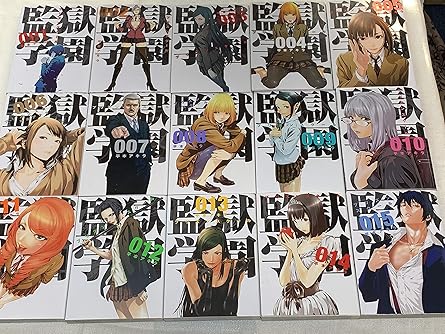
Quick links to search for the manga on Amazon.
A subscription is required, but you can start a Free Trial here。
Availability varies by region. Searches open in a new tab.
1) Manga Overview: What Is “Prison School”?
Akira Hiramoto’s Prison School (監獄学園〈プリズンスクール〉) is a hit seinen school comedy serialized in Kodansha’s Weekly Young Magazine. Five boys become the first male students at the elite Hachimitsu Academy and quickly run afoul of strict rules and a fearsome (underground) student council, landing them in the on-campus “prison.” For learners, the appeal is the constant switch between rowdy dorm talk, whispered conspiracies, and formal-sounding disciplinary language—great for hearing how register and politeness shift in real time within a school setting.
What Japanese culture and workplace customs can you learn?
Learning focus: master permission and request patterns, apologies ranging from casual to formal, and softening devices that keep conversations smooth under pressure. Track how characters address seniors, council officers, and friends to choose appropriate endings and set phrases. Notice discourse markers that manage secrets, plans, and last-minute changes.
-
Casual Endings & Slang:
Hear youth speech like ~じゃん, ~っす, and sentence-final particles (さ・ぞ・よ). Learn when to keep it friendly versus when to switch to neutral polite.
-
Apology Strength Ladder:
From ごめん to すみません to 申し訳ありません/ございません—choose the right force for classmates, seniors, or faculty.
-
Requests & Permission:
Compare ~てもいい?/~てもいいですか with ~してもらえますか and the deferential ~していただけますでしょうか for higher-stakes asks.
-
Hierarchy in School:
Addressing 先輩, 生徒会長, and teachers: titles, name+さん vs. family-name only, and how honorifics signal distance and respect.
-
Rules & Discipline Vocabulary:
Practical terms like 校則, 罰, 処分, 反省文 help you speak about infractions, penalties, and apologies.
-
Whispering & Secrecy:
Keep things discreet with 内緒, ここだけの話, and softeners (ちょっと…, ~なんだけど) before sensitive requests.
-
Strategy Talk:
Plan and coordinate with 作戦, 計画, ~を立てる/変更する and confirmation moves like 念のため確認.
2) Practical Use Cases: Where You’ll Use This Japanese
Targets: club activities, student council interactions, dorm chats, asking teachers/seniors for permission, apologizing for rule breaks, negotiating leniency, whispering secrets, planning group tasks.
Politeness vs. Distance (丁寧度×距離感): Quick Comparison
| Function | Casual | Standard Polite | Formal‑Deferential |
|---|---|---|---|
| Request | 〜してくれない? (shite kurenai?) — Could you do ~? | 〜してもらえますか。 (shite moraemasu ka.) — Could you ~? | 〜していただけますでしょうか。 (shite itadakemasu deshō ka.) — Might I ask you to ~? |
| Apology | ごめん。 (gomen.) — Sorry. | すみません。 (sumimasen.) — Excuse me/I’m sorry. | 申し訳ございません。 (mōshiwake gozaimasen.) — I deeply apologize. |
| Refusal | 今はムリ。 (ima wa muri.) — Can’t now. | 今は難しいです。 (ima wa muzukashii desu.) — It’s difficult now. | あいにく、いたしかねます。 (ainiku, itashikanemasu.) — I’m afraid I can’t. |
| Confirmation | マジ? (maji?) — Really? | 本当ですか。 (hontō desu ka.) — Is that true? | 念のため確認いたしますが… (nen no tame kakunin itashimasu ga…) — Allow me to confirm… |
3) Key School Scenes (Paraphrased) with Readings
Scene digest: After breaking a rule, a student apologizes to the council to avoid harsher penalties.
「申し訳ありませんでした。」
Reading: もうしわけ ありませんでした。 (mōshiwake arimasen deshita.)
EN: I’m terribly sorry.
Scene digest: A student asks a supervisor for permission during confinement.
「トイレに行ってもいいですか。」
Reading: トイレ に いっても いい ですか。 (toire ni itte mo ii desu ka?)
EN: May I go to the restroom?
Scene digest: Two friends whisper about a secret plan in the dorm.
「このことは内緒だぞ。」
Reading: この こと は ないしょ だぞ。 (kono koto wa naisho da zo.)
EN: Keep this between us.
Scene digest: A student softens a request to a senior council member.
「ちょっとお願いがあるんですが…」
Reading: ちょっと おねがい が あるんですが… (chotto onegai ga arun desu ga…)
EN: I have a small favor to ask…
4) Language Breakdown: Vocabulary, Grammar & Discourse
Vocabulary (with collocations)
| Headword | Reading (kana / romaji) | Meaning | EN | Collocations | Near-synonyms / Register |
|---|---|---|---|---|---|
| 生徒会 | せいとかい / seitokai | 学校運営を担う生徒の組織 | student council | 生徒会長/生徒会室/生徒会に呼ばれる | 委員会(committee)、自治会(student body) |
| 校則 | こうそく / kōsoku | 学校で定めた規則 | school rules | 校則違反/校則を守る/校則改定 | 規則(kisoku, rules)、ルール(casual) |
| 風紀 | ふうき / fūki | 集団内の秩序や身だしなみなどの規律 | public morals; discipline | 風紀を乱す/風紀委員 | 規律(discipline) |
| 処分 | しょぶん / shobun | 違反に対する公式な罰や措置 | disciplinary action; penalty | 停学処分/処分を受ける | 罰(batsu, punishment)、制裁(sanction) |
| 罰 | ばつ / batsu | 規則違反などに対する懲らしめ | punishment; penalty | 罰を受ける/罰ゲーム/罰則 | 懲罰(disciplinary punishment)、処罰(punishment, formal) |
| 反省文 | はんせいぶん / hanseibun | 行為を反省し謝意を示す文書 | reflection paper/apology essay | 反省文を書く/反省文を提出する | 謝罪文(apology letter)、反省(reflection) |
| 作戦 | さくせん / sakusen | 目的達成のための計画や方法 | plan; strategy | 作戦会議/作戦を立てる/作戦名 | 計画(plan)、戦略(strategy, formal) |
| 秘密 | ひみつ / himitsu | 他人に知らせない事柄 | secret | 秘密にする/ここだけの秘密/秘密基地 | 内緒(casual secret) |
| 許可 | きょか / kyoka | してよいと認めること | permission; authorization | 許可を得る/外出許可/許可証 | 承認(approval, formal)、可(approval, brief) |
| 脱走 | だっそう / dassō | 拘束や監禁から逃げ出すこと | escape; breakout | 脱走計画/脱走に成功する | 逃走(flight)、逃げる(to run away) |
| 監視 | かんし / kanshi | 注視して見守ること | surveillance; monitoring | 監視カメラ/監視下にある/監視する | 見張り(lookout/guard)、警戒(vigilance) |
| 見張り | みはり / mihari | 危険や異常がないか見ている人・役目 | watch; lookout; guard | 見張りをする/見張り役 | 番人(guard)、監視(surveillance) |
Grammar & Discourse
Use ~てもいい to ask for or grant permission. The plain question ~てもいい? is casual; ~てもいいですか is neutral polite for teachers or seniors.
Example (JP): ここを出てもいいですか。
Reading: ここ を でても いい ですか。 (koko o dete mo ii desu ka?)
EN: May I leave here?
Preface a request or sensitive topic with 〜んですが/〜んだけど to soften the approach and give context before the main ask.
Example (JP): ちょっと相談したいことがあるんですが。
Reading: ちょっと そうだん したい こと が あるんですが。 (chotto sōdan shitai koto ga arun desu ga.)
EN: I have something I’d like to discuss.
Ask permission to perform an action yourself. ~させてください is direct but polite; ~させてもらえますか adds a softer, benefit-of-others nuance.
Example (JP): もう一度説明させてください。
Reading: もう いちど せつめい させて ください。 (mō ichido setsumei sasete kudasai.)
EN: Please let me explain once more.
~てしまう shows completion or regret; in casual speech it contracts to ~ちゃう/~じゃう. Useful when admitting mistakes.
Example (JP): つい寝ちゃった。
Reading: つい ねちゃった。 (tsui nechatta.)
EN: I ended up dozing off.
Marks rephrasing or soft correction in casual talk, often to adjust a plan or nuance without sounding too direct.
Example (JP): っていうか、この作戦むずくない?
Reading: っていうか、この さくせん むずくない? (tte iu ka, kono sakusen muzukunai?)
EN: I mean, isn’t this plan kind of tough?
Downplays a statement by denying it absolutely. Handy for refusing while softening the tone or clarifying intent.
Example (JP): 怒っているわけじゃないよ。
Reading: おこって いる わけ じゃ ない よ。 (okotte iru wake ja nai yo.)
EN: It’s not that I’m angry.
5) Onomatopoeia & Register (School/Comedy Flavor)
- ドキドキ / dokidoki
- ヒソヒソ / hisohiso
- コソコソ / kosokoso
- ガチャ / gacha
- バタバタ / batabata
- ギリギリ / girigiri
6) Summary
This series is rich in casual teen speech, whispered planning, and student-council authority talk. Use it to practice permission and request forms, apology strength, and how speakers shift from slangy casual to school-appropriate polite Japanese.
Quick links to search for the manga on Amazon.
A subscription is required, but you can start a Free Trial here。
Availability varies by region. Searches open in a new tab.


