Learn Sports Japanese with “Real” (リアル): Rehab Talk, Team Speech & Emotional Dialogue
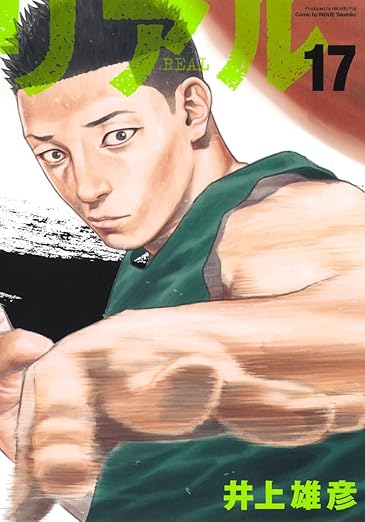
Quick links to search for the manga on Amazon.
Availability varies by region. Searches open in a new tab.
1) Manga Overview: What Is “Real”?
Real is Takehiko Inoue’s wheelchair-basketball drama about young men whose lives are changed by injury, ambition, and the need to start over. The series is compelling because the dialogue feels raw and human: characters argue, apologize, encourage one another, and talk through pain in ways that closely resemble real everyday Japanese in sports, school, family, and hospital settings.
What Japanese culture and workplace customs can you learn?
Learning focus: Watch how the series moves between blunt casual speech among teammates and calmer polite speech with family or medical staff. It is a strong manga for hearing encouragement, indirect advice, short self-talk, and the emotional nuance of people trying to keep going.
-
Rough But Natural Banter:
Teammates and friends use clipped casual speech, so you can practice sentence endings like 〜ぜ, 〜じゃん, and 〜だろ. This is useful for understanding how confidence, irritation, and trust sound in fast dialogue.
-
Encouragement Under Pressure:
The cast often motivates each other with short, emotionally loaded lines instead of long speeches. This helps learners notice how Japanese speakers encourage someone while still sounding realistic and restrained.
-
Rehab And Recovery Vocabulary:
Words like リハビリ, 復帰, and 退院 appear in grounded contexts, giving you practical vocabulary for hospital and recovery situations. These are high-value terms if you want Japanese beyond textbook small talk.
-
Softening Advice:
Characters rarely say everything directly when the stakes are high; they hedge with 〜かもしれない, 〜たほうがいい, and 〜んだ. Learning these patterns helps you sound considerate instead of blunt.
-
Status And Distance:
Listen for how language changes when a character speaks to friends, coaches, family, or medical staff. The series is a good bridge for learning when casual speech is acceptable and when polite forms matter.
2) Practical Use Cases: Where You’ll Use This Japanese
Targets: team practice, locker-room talk, rehab appointments, hospital visits, friend check-ins, post-injury encouragement, casual one-on-one conversations
Politeness vs. Distance (丁寧度×距離感): Quick Comparison
| Function | Casual | Standard Polite | Formal-Deferential |
|---|---|---|---|
| Request | ちょっと待って。 (chotto matte) Wait a sec. |
少々お待ちください。 (shōshō omachi kudasai) Please wait a moment. |
お待ちいただけますか。 (omachi itadakemasu ka) Could you please wait? |
| Refusal | 無理だ。 (muri da) Impossible. |
難しいです。 (muzukashii desu) That’s difficult. |
今回は見送らせていただきます。 (konnkai wa miosokurasete itadakimasu) We’ll have to pass this time. |
| Acknowledgement | わかった。 (wakatta) Got it. |
承知しました。 (shōchi shimashita) Understood. |
かしこまりました。 (kashikomarimashita) Certainly. |
3) Key Scenes for Tone, Readings, and Everyday Speech
Scene digest: A burned-out former player runs into a wheelchair basketball player in an old gym, and the mood turns from frustration to direct challenge. It is a great example of how short, rough lines can carry a lot of emotional weight.
「勝負しようぜ。」
Reading: しょうぶしようぜ。 (shōbu shiyō ze.)
EN: Let's have a match.
Scene digest: In a recovery scene, a character tries again instead of giving up. The line is simple, but it captures how Japanese often uses short self-directed statements to show determination.
「もう一回、やってみる。」
Reading: もういっかい、やってみる。 (mō ikkai, yatte miru.)
EN: I'll try one more time.
Scene digest: After an injury or setback, a teammate checks in with a quick, caring question. This is useful for hearing everyday empathy in a very compact form.
「大丈夫か?」
Reading: だいじょうぶか? (daijōbu ka?)
EN: Are you okay?
Scene digest: When morale drops, characters push each other forward with blunt but supportive language. The scene shows how encouragement can sound firm rather than sweet.
「まだ終わってない。」
Reading: まだ おわってない。 (mada owatte nai.)
EN: It's not over yet.
4) Language Breakdown: Vocabulary, Grammar & Discourse
Vocabulary (with collocations)
| Headword | Reading (kana / romaji) | Meaning | EN | Collocations | Near-synonyms / Register |
|---|---|---|---|---|---|
| 車いすバスケ | くるまいすばすけ / kuruma isu basuke | 車いすで行うバスケットボール | wheelchair basketball | 車いすバスケの試合/車いすバスケ日本代表/車いすバスケ選手 | 車いすバスケットボール(formal)、パラバスケ(casual) |
| リハビリ | りはびり / rihabiri | 回復や機能改善のための訓練・治療 | rehabilitation | リハビリをする/リハビリに通う/リハビリ生活 | 回復訓練(説明的) |
| 復帰 | ふっき / fukki | いったん離れた状態から戻ること | return; comeback | 競技復帰/現場復帰/復帰を目指す | カムバック(casual)、再開(context-specific) |
| 代表候補 | だいひょうこうほ / daihyou kōho | 国家代表に選ばれる可能性がある人 | national team candidate | 代表候補に選ばれる/代表候補合宿/代表候補選考 | 選抜メンバー、候補選手 |
| 退院 | たいいん / taiin | 病院を出て自宅療養などに移ること | discharge from hospital | 退院する/退院後/退院祝い | 病院を出る(plain) |
| 挑戦 | ちょうせん / chōsen | 難しいことに向かっていくこと | challenge; attempt | 挑戦する/挑戦を続ける/新しい挑戦 | トライ(casual)、勝負(sporty) |
| 焦る | あせる / aseru | 急いで落ち着けなくなる | to get impatient; to panic | 焦らないで/焦ってしまう/焦りが出る | あわてる(panicky)、いらだつ(anger tone) |
| 支える | ささえる / sasaeru | 人や物を下から支援すること | to support; to hold up | 心を支える/生活を支える/支え合う | サポートする(loanword) |
| 本気 | ほんき / honki | 冗談ではなく真剣であること | serious; earnest | 本気でやる/本気を出す/本気の勝負 | 真剣 |
Grammar & Discourse
A blunt but common way to ask someone close to do something. In sports manga, it sounds natural between teammates or friends; add 〜てくれない? when you want the same request to feel a little softer.
Example (JP): 少し待ってくれ。
Reading: すこしまってくれ。 (sukoshi matte kure.)
EN: Wait a little.
These are contracted obligation forms used in self-talk and casual speech. They are perfect for hearing a character pressure themselves: “I have to…” or “We need to…”
Example (JP): もう一回やらなきゃ。
Reading: もういっかいやらなきゃ。 (mō ikkai yaranakya.)
EN: I have to try once more.
A permission question that is softer than a command and very useful in practice or rehab scenes. Add かな for even more softness when speaking casually.
Example (JP): 座ってもいい?
Reading: すわってもいい? (suwatte mo ii?)
EN: Can I sit down?
This pattern explains a reason, but in drama it often sounds emotional or corrective. Use it to notice how characters explain themselves, defend a choice, or try to help someone understand.
Example (JP): まだ終わってないんだ。
Reading: まだおわってないんだ。 (mada owatte inai nda.)
EN: It's not over yet.
A friendly assertion or shared-understanding ending. It can mean “isn’t it?” or “come on,” depending on tone, which is why it appears so often in casual dialogue.
Example (JP): まだチャンスあるじゃん。
Reading: まだチャンスあるじゃん。 (mada chansu aru jan.)
EN: There's still a chance, right?
5) Onomatopoeia & Register (Sports and Recovery Scenes)
- ドキドキ / dokidoki
- ザワザワ / zawazawa
- バタバタ / batabata
- ガンッ / gan
- シーン / shiin
6) Summary
REAL teaches you how Japanese sounds in rehab rooms, team huddles, and tense one-on-one conversations. It is especially useful for learning casual speech, emotional encouragement, soft refusals, and the way people shift into polite language when the situation gets serious.
Quick links to search for the manga on Amazon.
Availability varies by region. Searches open in a new tab.


