Learn Fashion & Creative Japanese with “Smile Down the Runway” (ランウェイで笑って): Ambition, Encouragement & Polite Requests
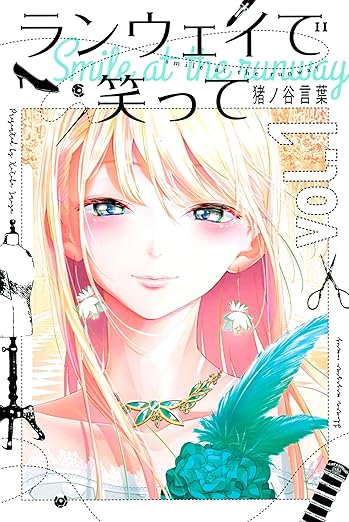
Quick links to search for the manga on Amazon.
A subscription is required, but you can start a Free Trial here。
Availability varies by region. Searches open in a new tab.
1) Manga Overview: What Is “Smile Down the Runway”?
Smile Down the Runway (ランウェイで笑って) is a shōnen manga by Kotoba Inoya about Chiyuki, a petite aspiring runway model, and Ikuto, a high-school student who wants to become a fashion designer despite family and money problems. Serialized in Weekly Shōnen Magazine and collected by Kodansha, it dives deep into the fashion world: agencies, contests, fashion schools, and shows. Kodansha USA publishes the English edition digitally, and the anime adaptation has been streamed overseas on services such as Funimation and other platforms, helping this “fashion industry × hard‑work growth story” gain a steady following abroad. For learners, the series offers realistic conversations between teens, professionals, and clients, with a motivating tone that makes you want to keep reading and keep studying.
What Japanese culture and workplace customs can you learn?
You will encounter a rich mix of casual Japanese between classmates, respectful speech with teachers and senior designers, and more formal phrases used in agencies and contests. The story constantly repeats core patterns for talking about dreams, effort, failure, and second chances, which makes it easier to notice and reuse expressions. Pay attention to how characters soften refusals, ask for chances or help, and give encouragement while still sounding realistic and sometimes blunt, as in real Japanese conversations.
-
Fashion & Creative-Industry Vocabulary:
Learn high-frequency words around shows, auditions, contests, and fashion schools (ランウェイ, モデル, デザイナー, パリ・コレ, オーディション). Because they appear in natural dialogue, you pick up not only meanings but also typical collocations like 「ランウェイを歩く」 or 「デザインコンテストに出る」.
-
Switching Between Casual and Polite Speech:
Ikuto and Chiyuki talk casually with friends but shift to polite forms with adults and industry people. Watching who uses ~です/~ます, who stays casual, and when honorific-style phrases like 「見送らせてください」 appear helps you understand how relationship and context affect politeness levels.
-
Talking About Dreams, Effort, and Setbacks:
The series is full of phrases for expressing goals and determination, such as patterns with 「絶対~」, 「~しかない」, and 「諦めたくない」. At the same time, characters often hit walls, giving you natural examples of how Japanese speakers describe failure, frustration, and getting back up again.
-
Softening Requests and Asking for Chances:
In the fashion world of the manga, characters must ask seniors and judges for opportunities. Expressions like 「やらせてください」 or 「チャンスをいただけませんか」 show how to combine humble verbs and request forms to sound eager but respectful.
-
Explaining Concepts and Design Intent:
When characters present their designs, they explain themes, target clients, and materials using patterns like 「~をイメージして」, 「~というコンセプトで」 and cause‑effect connectors such as 「だから」「その結果」. This is great practice for speaking logically about your own projects in Japanese.
-
Encouraging Others in Natural Japanese:
Because everyone is chasing difficult dreams, there are many lines of encouragement, from casual 「いけるって!」 and 「大丈夫」 to more polite 「応援しています」. These give you ready-made phrases to cheer up friends, classmates, or juniors in a supportive but not over-formal way.
2) Practical Use Cases: Where You’ll Use This Japanese
Targets: fashion school classes, design critiques, portfolio reviews, part-time shop or studio work, creative presentations, auditions and contests, school festival projects, everyday pep talks with friends
Politeness vs. Distance (丁寧度×距離感): Quick Comparison
| Function | Casual | Standard Polite | Formal‑Deferential |
|---|---|---|---|
| Requesting Help | 手伝って。 てつだって / tetsudatte — Help me. |
手伝ってもらえますか。 てつだって もらえますか / tetsudatte moraemasu ka — Could you help me? |
お手伝いいただけますでしょうか。 おてつだい いただけます でしょうか / otetsudai itadakemasu deshō ka — Might I ask for your assistance? |
| Turning Something Down | 無理。 むり / muri — No way. |
ちょっと難しいです。 ちょっと むずかしいです / chotto muzukashii desu — It will be a bit difficult. |
今回は見送らせていただければと思います。 こんかい は みおくらせて いただければ と おもいます / konkai wa miokurasete itadakereba to omoimasu — I’m afraid I must pass this time. |
| Encouragement | 絶対いけるよ。 ぜったい いけるよ / zettai ikeru yo — You can totally do it. |
きっと大丈夫ですよ。 きっと だいじょうぶです よ / kitto daijōbu desu yo — I’m sure it’ll be fine. |
ご活躍をお祈りしています。 ごかつやく を おいのりして います / gokatsuyaku o oinori shite imasu — I sincerely wish you success. |
| Checking Confirmation | 本当にやる? ほんとうに やる / hontō ni yaru — Are you really going to do it? |
本当にそれで大丈夫ですか。 ほんとうに それで だいじょうぶですか / hontō ni sore de daijōbu desu ka — Are you sure that’s okay? |
こちらの内容でお間違いないでしょうか。 こちら の ないよう で おまちがい ない でしょうか / kochira no naiyō de omachigai nai deshō ka — May I confirm that this is correct? |
3) Key Fashion & Growth Scenes (Paraphrased) with Readings
Scene digest: Chiyuki is told again that her height makes a runway career impossible, but she clearly states she will not give up on her dream.
「私はまだ諦めてませんから。」
Reading: わたし は まだ あきらめてません から。 (watashi wa mada akiramete masen kara.)
EN: I’m not giving up yet.
Scene digest: Ikuto gathers his courage and asks a senior designer to let him handle an important outfit for the show.
「デザイン、僕にやらせてください。」
Reading: デザイン、ぼく に やらせて ください。 (dezain, boku ni yarasete kudasai.)
EN: Please let me do the design.
Scene digest: A staff member politely turns down a proposal but uses soft language that still keeps the relationship positive.
「今回は見送らせてください。」
Reading: こんかい は みおくらせて ください。 (konkai wa miokurasete kudasai.)
EN: Please allow us to pass on it this time.
Scene digest: Just before a big runway, Chiyuki and Ikuto reaffirm their shared goal and encourage each other.
「一緒に夢を叶えよう。」
Reading: いっしょ に ゆめ を かなえよう。 (issho ni yume o kanaeyō.)
EN: Let’s make our dream come true together.
4) Language Breakdown: Vocabulary, Grammar & Discourse
Vocabulary (with collocations)
| Headword | Reading (kana / romaji) | Meaning | EN | Collocations | Near-synonyms / Register |
|---|---|---|---|---|---|
| ランウェイ | ランウェイ / ranwei | ファッションショーでモデルが歩く舞台 | runway; catwalk at a fashion show | ランウェイを歩く/ランウェイデビュー/ランウェイショー | ステージ(一般的な舞台)、キャットウォーク(同義の英語) |
| モデル | モデル / moderu | 服や商品を見せるために撮影・ショーに出る人 | model for photos and runway shows | トップモデル/専属モデル/読者モデル | タレント(広く芸能人) |
| デザイナー | デザイナー / dezainā | 服や小物のデザインを考えて形にする人 | designer, especially a fashion designer | ファッションデザイナー/新人デザイナー/デザイナー志望 | クリエイター(創作する人全般) |
| 服飾専門学校 | ふくしょく せんもんがっこう / fukushoku senmon gakkō | 服作りやファッションを学ぶ専門学校 | fashion vocational school; clothing design college | 服飾専門学校に通う/服飾専門学校を受験する | ファッションスクール |
| パリ・コレ | パリ・コレ / pari kore | パリで開かれる世界的なファッションショー | Paris Collection; Paris Fashion Week | パリ・コレに出る/パリ・コレを目指す | ファッションウィーク(各都市の大規模ショー) |
| オーディション | オーディション / ōdishon | 出演者やモデルなどを選ぶための試験 | audition; tryout | オーディションを受ける/オーディションに受かる | 選考会、審査 |
| コンテスト | コンテスト / kontesuto | 作品や実力を競う大会 | contest; competition | デザインコンテスト/コンテストで入賞する | 大会、コンクール |
| 根性 | こんじょう / konjō | 最後までやり通そうとする強い気持ち | guts; perseverance; mental toughness | 根性を見せる/根性で乗り切る | 粘り強さ、気合い |
Grammar & Discourse
This pattern politely asks for permission to take on an action, often when you want to show motivation or take responsibility: 私にやらせてください literally means “please let me do it.” It is softer and more respectful than simply saying you will do something, and fits well when talking to seniors, teachers, or clients.
Example (JP): 次のショーの服、僕にデザインさせてください。
Reading: つぎ の ショー の ふく、ぼく に デザインさせて ください。 (tsugi no shō no fuku, boku ni dezainasete kudasai.)
EN: Please let me design the clothes for the next show.
Use 〜てもいい? with close friends and 〜てもいいですか in polite situations to ask for permission in a soft way. It is very common when characters in the series ask to check clothes, touch materials, or try something risky on stage.
Example (JP): もう一度チャンスをもらってもいいですか。
Reading: もういちど チャンス を もらっても いいですか。 (mō ichido chansu o morattemo ii desu ka.)
EN: Is it okay if I get one more chance?
〜しかない expresses that there is no other option, often used before big shows or auditions when the characters decide to give everything they have. It sounds strong and determined, and appears frequently in shōnen “effort and growth” stories like this one.
Example (JP): ここまで来たら、やるしかない。
Reading: ここまで きたら、やる しかない。 (koko made kitara, yaru shika nai.)
EN: Now that we’ve come this far, we have no choice but to do it.
This pattern combines a hedge (〜かもしれない, “might be”) with a contrasting phrase after けど. It lets you acknowledge risk or difficulty while still expressing your will, a nuance that appears when characters say their dreams may be impossible but they want to try anyway.
Example (JP): 無理かもしれないけど、挑戦してみたい。
Reading: むり かもしれない けど、ちょうせんして みたい。 (muri kamoshirenai kedo, chōsen shite mitai.)
EN: It might be impossible, but I want to give it a try.
5) Onomatopoeia & Emotions on the Runway
- ドキドキ / dokidoki
- キラキラ / kirakira
- バタバタ / batabata
- ザワザワ / zawazawa
- イライラ / iraira
6) Summary
This series mixes fashion-industry Japanese with school and family scenes, so you can hear both casual speech and work-related phrases. It is ideal for learning how to talk about goals, encourage others, and make polite requests while chasing big dreams.
Quick links to search for the manga on Amazon.
A subscription is required, but you can start a Free Trial here。
Availability varies by region. Searches open in a new tab.


