Learn Mystery Japanese with “Undead Girl Murder Farce” (アンデッドガール・マーダーファルス): Keigo, Deduction Phrases & Titles of Address
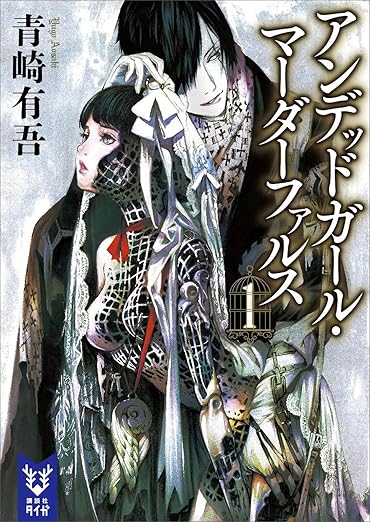
Quick links to search for the manga on Amazon.
A subscription is required, but you can start a Free Trial here。
Availability varies by region. Searches open in a new tab.
1) Manga Overview: What Is “Undead Girl Murder Farce”?
Undead Girl Murder Farce adapts Yugo Aosaki’s supernatural detective novels into a manga where Aya Rindō (an immortal head in a birdcage), her half-oni bodyguard Tsugaru Shinuchi, and maid Shizuku Hasei roam late‑19th‑century Europe solving bizarre crimes. The setting blends mystery, fantasy, and period manners, so characters switch between crisp standard speech, courteous keigo with aristocrats or inspectors, and witty banter. For learners, the series offers clear case narration, frequent testimony, and plenty of formulaic phrases you can reuse in real conversations.
What Japanese culture and workplace customs can you learn?
Watch how reasoning is signposted with connectors like つまり, ということは, したがって, and 一方で, and how conclusions are softened with ~ではないでしょうか or ~と思われます. Notice the keigo lifts (恐れ入りますが/失礼ですが) before requests or disagreement with authority. Quotation/attribution patterns (~と述べる・~という) and hedges (~かもしれない/~と見られる) let you present evidence without sounding blunt.
-
Hierarchy & Titles:
Address nobles and officials appropriately: 卿・奥様・令嬢・旦那様・警部 vs. さん/様. Practice when to upgrade honorifics and when to keep neutral.
-
Case-Structuring Signals:
Link evidence to claims with まず/次に/つまり/したがって/一方で. These discourse markers make your deductions easy to follow.
-
Polite Requests on Site:
Use ~させてください/~ていただけますか and humble verbs like 拝見する to request access (rooms, items, testimony).
-
Hedges & Degrees of Certainty:
Soften conclusions with ~ようだ/~らしい/~かもしれない/~に違いない to match confidence level.
-
Quoting & Testimony:
Report statements with ~と述べる/~と主張する/~という話だ and contrast 証言 vs. 噂.
-
Travel & Logistics Vocab:
Practice terms for lodgings and movement (宿・駅・切符・馬車・案内) that appear across cases.
-
Bookish/Period Flavor:
Meet slightly formal or literary items (~次第です/相違ない/如何でしょう) and learn when they fit modern polite talk.
2) Practical Use Cases: Where You’ll Use This Japanese
Targets: mystery club discussions, classroom presentations, JLPT reading practice (N3–N2), polite chats with strangers, museum or manor tours, study-abroad travel in Europe.
Politeness vs. Distance (丁寧度×距離感): Quick Comparison
| Function | Casual | Standard Polite | Formal–Deferential |
|---|---|---|---|
| Request Access | 見せてもらえる? みせて もらえる? / misete moraeru? Could I see it? |
見せてもらえますか。 みせて もらえますか。 / misete moraemasu ka. May I take a look? |
拝見してもよろしいでしょうか。 はいけんしても よろしい でしょうか。 / haiken shite mo yoroshii deshō ka. Might I inspect it? |
| Polite Refusal | 今はムリ。 いまは むり。 / ima wa muri. Not now. |
今は難しいです。 いまは むずかしいです。 / ima wa muzukashii desu. It’s difficult at the moment. |
あいにくでございますが、ただ今は難しいと存じます。 あいにくで ございますが、ただいまは むずかしいと ぞんじます。 / ainiku de gozaimasu ga, tada ima wa muzukashii to zonjimasu. I’m afraid that will not be possible now. |
| Present Deduction (Soft) | 犯人は君だ。 はんにんは きみだ。 / hannin wa kimi da. You’re the culprit. |
犯人はあなたではないでしょうか。 はんにんは あなたでは ない でしょうか。 / hannin wa anata dewa nai deshō ka. Could it be you? |
犯人はあなた様ではないかと存じます。 はんにんは あなたさまでは ないかと ぞんじます。 / hannin wa anata‑sama de wa naika to zonjimasu. We believe it may be you. |
| Confirm/Paraphrase | つまり~ってこと? つまり 〜って こと? / tsumari ~tte koto? So that means…? |
つまり~ということですね。 つまり 〜という ことですね。 / tsumari ~to iu koto desu ne. So, in other words… |
つまり~という理解でよろしいでしょうか。 つまり 〜という りかいで よろしい でしょうか。 / tsumari ~to iu rikai de yoroshii deshō ka. To confirm, is that the correct understanding? |
3) Key Investigation Scenes (Paraphrased) with Readings
Scene digest: At a noble’s manor, the team requests permission to inspect the study without sounding pushy.
「書斎を確認させてください。」
Reading: しょさいを かくにんさせてください。 (shosai o kakunin sasete kudasai.)
EN: Please allow me to inspect the study.
Scene digest: Summarizing the chain of reasoning to the gathered suspects to lead into the reveal.
「つまり、犯人は屋敷の中にいたということになります。」
Reading: つまり、はんにんは やしきの なかに いた ということに なります。 (tsumari, hannin wa yashiki no naka ni ita to iu koto ni narimasu.)
EN: In short, it follows that the culprit was inside the manor.
Scene digest: Disagreeing with the inspector’s theory while keeping deference.
「失礼ですが、別の可能性もあるのではないでしょうか。」
Reading: しつれいですが、べつの かのうせいも あるのでは ないでしょうか。 (shitsurē desu ga, betsu no kanōsei mo aru no de wa nai deshō ka.)
EN: Pardon me, but isn’t there another possibility?
Scene digest: Confirming a witness’s timeline to lock down the alibi.
「確認ですが、午後八時にはサロンにいらしたのですね。」
Reading: かくにん ですが、ごご はちじ には サロンに いらした のですね。 (kakunin desu ga, gogo hachiji ni wa saron ni irashita no desu ne.)
EN: Just to confirm, you were in the salon at 8 p.m., correct?
4) Language Breakdown: Vocabulary, Grammar & Discourse
Vocabulary (with collocations)
| Headword | Reading (kana / romaji) | Meaning | EN | Collocations | Near-synonyms / Register |
|---|---|---|---|---|---|
| 容疑者 | ようぎしゃ / yōgisha | 罪を犯した疑いがある人 | suspect | 容疑者リスト/容疑者を絞る | 被疑者(法)、犯人候補(口語) |
| 証言 | しょうげん / shōgen | 事件などについて述べる事実の説明 | testimony; statement | 証言を取る/証言に矛盾がある | 供述(法)、陳述(硬) |
| 手がかり | てがかり / tegakari | 問題解決の糸口 | clue; lead | 手がかりを追う/手がかりを掴む | 糸口、ヒント(外来) |
| 推理 | すいり / suiri | 事実から論理的に結論を導くこと | deduction; reasoning | 推理を展開する/推理小説 | 演繹(学術)、洞察 |
| 真相 | しんそう / shinsō | 物事の本当のありさま | truth; what really happened | 真相を暴く/真相解明 | 実態、実情 |
| 動機 | どうき / dōki | 行為の原因となる意図・理由 | motive | 犯行の動機/動機を探る | 理由(一般)、目的(意味違い注意) |
| 現場 | げんば / genba | 事件や作業が行われた場所 | scene; site | 犯行現場/現場検証 | 現地 |
| 捜査 | そうさ / sōsa | 犯罪の事実や犯人を調べること | investigation (police) | 捜査本部/捜査を進める | 調査(一般) |
| 貴族 | きぞく / kizoku | 世襲の称号や特権を持つ上層階級 | nobility; aristocrat | 貴族社会/貴族の館 | 上流階級 |
| 執事 | しつじ / shitsuji | 邸宅で主を補佐する家令・使用人の長 | butler | 執事に尋ねる/執事長 | 召使い(一般)、従者(古) |
| 令嬢 | れいじょう / reijō | 身分の高い家の若い女性に対する丁寧な称 | young lady (polite; of a distinguished family) | 名家の令嬢/令嬢教育 | お嬢様(丁寧) |
| 怪盗 | かいとう / kaitō | 鮮やかな手口で盗みを働く人物 | phantom thief | 怪盗予告状/怪盗ルパン | 泥棒(一般)、盗賊(古) |
Grammar & Discourse
Ask permission to perform an action. ~させてください is polite; ~させていただけますか adds extra deference and is safer with superiors/clients.
Example (JP): 書類を拝見させていただけますか。
Reading: しょるいを はいけん させて いただけますか。 (shorui o haiken sasete itadakemasu ka?)
EN: May I (humbly) take a look at the documents?
Gently propose a conclusion while inviting agreement; common in detective talk and meetings.
Example (JP): 犯人は内部の者ではないでしょうか。
Reading: はんにんは ないぶの ものでは ないでしょうか。 (hannIN wa naibu no mono de wa nai deshō ka?)
EN: Isn’t the culprit someone on the inside?
Impersonal conjecture often used in reports to keep distance from the claim.
Example (JP): 足跡は昨夜のものだと見られます。
Reading: あしあと は さくやの ものだと みられます。 (ashiato wa sakuya no mono da to mirareru/mi raremasu.)
EN: The footprints are believed to be from last night.
Explains background or reason in a businesslike tone; useful when addressing officials or groups.
Example (JP): 確認のため皆さまにお集まりいただいた次第です。
Reading: かくにんの ため みなさまに おあつまり いただいた しだいです。 (kakunin no tame minasama ni o-atsumari itadaita shidai desu.)
EN: That is why we have asked everyone to gather for confirmation.
Very deferential way to give your view; pairs well with suggestions or cautious conclusions.
Example (JP): ここは一度引き上げるべきかと存じます。
Reading: ここは いちど ひきあげる べきかと ぞんじます。 (koko wa ichido hikiageru beki ka to zonjimasu.)
EN: I believe we should withdraw for now.
5) Onomatopoeia & Register (Mystery/Action Flavor)
- ドキドキ / dokidoki
- コツコツ / kotsukotsu
- ガタッ / gata
- シーン / shiin
- ギロッ / giro
- ニヤリ / niyari
- パラパラ / parapara
6) Summary
Use this series to practice polite investigative Japanese: cushion phrases for requests and soft disagreement, connectors that structure reasoning, and titles of address for nobles and officials. Its dialogue-driven cases make it ideal for reading fluency and pragmatic awareness.
Quick links to search for the manga on Amazon.
A subscription is required, but you can start a Free Trial here。
Availability varies by region. Searches open in a new tab.


