Learn Rakugo Japanese with “Descending Stories” (昭和元禄落語心中): Keigo, Storytelling & Stage Etiquette
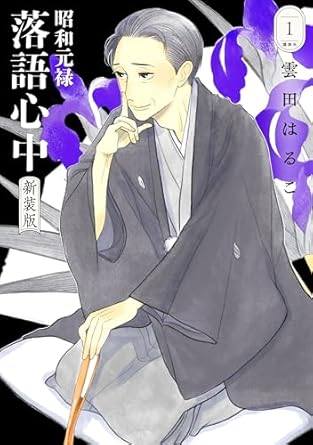
Quick links to search for the manga on Amazon.
A subscription is required, but you can start a Free Trial here。
Availability varies by region. Searches open in a new tab.
1) Manga Overview: What Is “Descending Stories: Shōwa Genroku Rakugo Shinjū”?
Haruko Kumota’s josei drama follows the reserved master Yakumo Yurakutei, his brash new apprentice Yotarō, and Konatsu, daughter of a late prodigy, as they navigate the demanding world of rakugo in the Shōwa era. For learners, the series offers authentic backstage keigo, performer etiquette, and period turns of phrase used by artists, patrons, and theatre staff. Its appeal lies in nuanced character arcs and lovingly depicted performances that let you “hear” how relationships shift through language.
What Japanese culture and workplace customs can you learn?
Learning focus: Track how speech levels change between greenroom and stage: apprentices rely on humble forms with their shishō, while masters switch to formal narration on the kōza. Collect set phrases for greetings, requests, apologies, and closers that recur in arts settings. Notice storytelling transitions and quotatives that move a tale forward and signal scene changes.
-
Hierarchy & Titles (前座→二つ目→真打ち):
Learn how ranks determine address terms and speech level: 師匠/先輩 vs. 弟子/見習い, plus audience-facing honorifics like お客様。
-
Backstage Greetings:
Use stock phrases such as 「本日もよろしくお願いいたします」「お疲れさまでした」 and pair them with name+役職 for clarity.
-
Humble Verbs for Apprentices:
Practice 伺う/いたす/いただく and layered requests with ~させていただく to show deference to seniors.
-
Performance Openers & Closers:
Stage-ready lines like 「それでは、一席申し上げます」「ご静聴ありがとうございました」「おあとがよろしいようで」 help frame a set.
-
Storytelling Transitions & Quotatives:
Glue your narrative with さて/それから/ところで and switch voices with ~と/~って for reported speech.
-
Sentence-Final Style Shifts:
Contrast formal 〜でございます with casual 〜だ/〜ね to match audience and scene.
-
Venue & Etiquette Words:
Master 高座・楽屋・寄席・出囃子 and typical collocations (高座に上がる/楽屋挨拶).
2) Practical Use Cases: Where You’ll Use This Japanese
Targets: backstage greetings, traditional-arts lessons, culture-club practice, speech contests, formal event MCs, theater rehearsals, introductions to seniors, polite requests and refusals.
Politeness vs. Distance (丁寧度×距離感): Quick Comparison
| Function | Casual | Standard Polite | Formal–Deferential |
|---|---|---|---|
| Request (Guidance) | 教えてくれる? よみ: おしえて くれる?/romaji: oshiete kureru? Can you teach me? |
ご指導ください。 よみ: ごしどう ください/romaji: goshibō… no → goshidō kudasai Please guide me. |
ご指導いただけますでしょうか。 よみ: ごしどう いただけます でしょうか/romaji: goshidō itadakemasu deshō ka? Might I ask for your guidance? |
| Apology (Late) | 悪い、遅れた。 よみ: わるい、おくれた/romaji: warui, okureta Sorry, I’m late. |
遅れてすみません。 よみ: おくれて すみません/romaji: okurete sumimasen Sorry for being late. |
遅刻いたしまして申し訳ございません。 よみ: ちこく いたしまして もうしわけ ございません/romaji: chikoku itashimashite mōshiwake gozaimasen My sincere apologies for arriving late. |
| Refusal (Unavailable) | 今日は無理。 よみ: きょうは むり/romaji: kyō wa muri Can’t today. |
本日は難しいです。 よみ: ほんじつは むずかしい です/romaji: honjitsu wa muzukashii desu I’m afraid it’s difficult today. |
あいにく本日はいたしかねます。 よみ: あいにく ほんじつは いたしかねます/romaji: ainiku honjitsu wa itashikanemasu Regrettably, I must decline today. |
| Confirmation (Check) | これでいい? よみ: これで いい?/romaji: kore de ii? Is this OK? |
これでよろしいですか。 よみ: これで よろしい ですか/romaji: kore de yoroshii desu ka? Is this acceptable? |
こちらでよろしいでしょうか。 よみ: こちらで よろしい でしょうか/romaji: kochira de yoroshii deshō ka? Would this be acceptable? |
3) Key Rakugo/Backstage Scenes (Paraphrased) with Readings
Scene digest: Yotarō-like apprentice formally asks a master to take him in.
「弟子入りさせてください。」
Reading: でしいり させてください。 (deshiiri sasete kudasai.)
EN: Please allow me to become your apprentice.
Scene digest: Backstage greeting to seniors before a performance.
「本日もよろしくお願いいたします。」
Reading: ほんじつも よろしく おねがい いたします。 (honjitsu mo yoroshiku onegai itashimasu.)
EN: Thank you in advance for your guidance today.
Scene digest: On stage, the performer signals the start of a set.
「それでは、一席申し上げます。」
Reading: それでは、 いっせき もうしあげます。 (soredewa, isseki mōshiagemasu.)
EN: Well then, I’ll present one story.
Scene digest: Closing line that wraps the punchline and yields the stage.
「おあとがよろしいようで。」
Reading: おあとが よろしい ようで。 (o-ato ga yoroshii yō de.)
EN: And with that, I’ll take my leave.
Scene digest: Formal thanks to the audience after finishing a piece.
「ご静聴ありがとうございました。」
Reading: ごせいちょう ありがとうございました。 (goseichō arigatō gozaimashita.)
EN: Thank you very much for listening.
4) Language Breakdown: Vocabulary, Grammar & Discourse
Vocabulary (with collocations)
| Headword | Reading (kana / romaji) | Meaning | EN | Collocations | Near-synonyms / Register |
|---|---|---|---|---|---|
| 落語 | らくご / rakugo | 座布団に座って語る伝統的な一人話芸 | traditional solo comic storytelling | 落語を演じる/落語会 | 話芸(わげい)、漫談(casual) |
| 寄席 | よせ / yose | 落語などの演芸を見せる小屋・劇場 | vaudeville theater for rakugo and variety acts | 寄席に行く/寄席の出番 | 演芸場(えんげいじょう) |
| 高座 | こうざ / kōza | 噺家が座る一段高い舞台・座布団 | raised stage seat/cushion for a rakugo performer | 高座に上がる/高座を務める | 舞台(ぶたい) |
| 師匠 | ししょう / shishō | 芸事の指導者・家元的存在 | master/mentor in a traditional art | 師匠に付く/師匠の教え | 先生(敬称) |
| 弟子 | でし / deshi | 師匠に学ぶ者 | disciple; apprentice | 弟子入りする/内弟子になる | 見習い(みならい) |
| 前座 | ぜんざ / zenza | 最下位の噺家・開幕の前置き役 | opening act; novice rank in rakugo | 前座を務める/前座修行 | 駆け出し(俗) |
| 二つ目 | ふたつめ / futatsume | 中位の噺家の階級 | mid-level rakugo rank | 二つ目昇進/二つ目になる | 中堅(ちゅうけん) |
| 真打ち | しんうち / shin'uchi | 最上位の噺家。殿(トリ)を務めることが多い | top-rank storyteller; often the headliner | 真打ち昇進/トリを取る | 大看板(おおかんばん) |
| 枕 | まくら / makura | 本編前の導入トーク | introductory banter before the main story | 枕を振る/枕を短めに | 導入(どうにゅう)、前振り(まえふり) |
| 演目 | えんもく / enmoku | 上演する作品・プログラム | repertoire piece; program item | 演目をかける/定番の演目 | ネタ(口語) |
| 出囃子 | でばやし / debayashi | 登場時に流れる囃子・音楽 | entrance music for a performer | 出囃子が鳴る/出囃子に乗る | 入場曲(にゅうじょうきょく) |
| 楽屋 | がくや / gakuya | 舞台裏の準備や待機の場所 | greenroom; backstage area | 楽屋入りする/楽屋挨拶 | 裏方(うらかた) |
Grammar & Discourse
Used by juniors/apprentices to ask permission or report action done for someone’s benefit. Adds deference and avoids sounding pushy.
Example (JP): 弟子入りさせていただけないでしょうか。
Reading: でしいり させていただけない でしょうか。 (deshiiri sasete itadakenai deshō ka?)
EN: Might you allow me to become your apprentice?
Template for soft, respectful requests to seniors or clients. Choose お or ご based on the verb (ご指導/お手伝い). Layering でしょうか raises formality.
Example (JP): ご指導いただけますか。
Reading: ごしどう いただけますか。 (goshidō itadakemasu ka?)
EN: Could I receive your guidance?
Very polite equivalent of です used on stage, in announcements, and when addressing audiences.
Example (JP): 本日の演目は『芝浜』でございます。
Reading: ほんじつの えんもくは『しばはま』で ございます。 (honjitsu no enmoku wa “Shibahama” de gozaimasu.)
EN: Today’s piece is “Shibahama.”
Discourse markers that pivot scenes or pace the story. Great for presentations and live narration.
Example (JP): さて、ここからが本題でして——。
Reading: さて、ここからが ほんだい でして——。 (sate, koko kara ga hondai deshite—.)
EN: Now then, here’s where the real story begins—.
Use と (neutral) or って (colloquial) to report dialogue and switch voices inside a story.
Example (JP): 『そこでね』って、親父さんが言うんです。
Reading: 『そこでね』って、 おやじさんが いうんです。 (“sokode ne” tte, oyaji-san ga iun desu.)
EN: “And then,” the old man says.
5) Onomatopoeia & Register (Stage/Backstage Flavor)
- パチパチ / pachipachi
- ザワザワ / zawazawa
- シーン / shīn
- クスッ / kusu
- ドキドキ / dokidoki
- ゴホン / gohon
6) Summary
This manga immerses you in rakugo—the art of solo storytelling—where apprentices use humble language with masters and perform formal narration on stage. Learn set phrases for greetings, requests, apologies, and performance openings/closings, plus the vocabulary of ranks and venues. Ideal for practicing nuanced keigo and discourse flow in culturally rich contexts.
Quick links to search for the manga on Amazon.
A subscription is required, but you can start a Free Trial here。
Availability varies by region. Searches open in a new tab.
