Learn School-Life Japanese with “My Little Monster” (となりの怪物くん): Casual Speech, Invitations & Soft Refusals
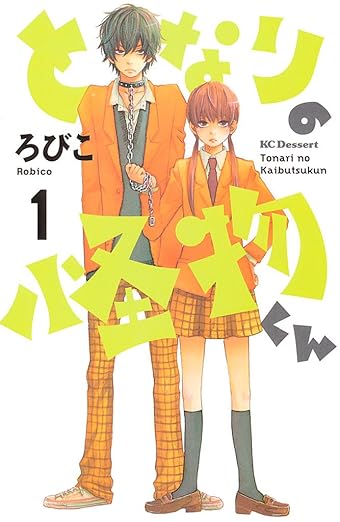
Quick links to search for the manga on Amazon.
Availability varies by region. Searches open in a new tab.
1) Manga Overview: What Is “My Little Monster”?
Robico’s My Little Monster (となりの怪物くん) follows ultra-studious Shizuku and unpredictable Haru as they fumble through friendship and first love at a modern Japanese high school. For learners, the series offers abundant, authentic casual speech, natural filler and reaction words, and occasional interactions with teachers and shop staff that model basic polite forms. Its appeal lies in sharp character chemistry, comedy rooted in everyday situations, and a heartfelt look at growing up—perfect context for noticing how tone and word choice change relationships.
What Japanese culture and workplace customs can you learn?
Learning focus: Track how characters shift between plain forms with peers and polite forms with adults, and collect ready-made invitation/refusal lines for real life. Notice sentence-final particles (よ・ね・さ), softeners (かな・かも・ちょっと), and “cushion” phrasing before saying no. Pay attention to texting/LINE expressions and quick back-and-forth timing that mirror teen conversation.
-
Casual–Polite Switching:
Watch how students use plain forms with friends but add です・ます to teachers and strangers; practice mirroring the scene’s relationship and distance.
-
Invitations That Feel Natural:
Patterns like ~ない?/~しよう and ~行かない? are frequent; learn variants with time/place to suggest plans without sounding pushy.
-
Soft Refusals & Alternatives:
Cushion with ちょっと…/今日は難しい/また今度ね, then propose a new option (じゃあ土曜はどう?) to keep harmony.
-
Feelings & Honesty:
Pick up everyday emotion words (嬉しい・ムカつく・びっくりした) and hedges (かな/かも) to show nuance without overcommitting.
-
School-Life Core Vocabulary:
Terms like 成績・部活・進路・提出 appear often; build collocations you can reuse in real school contexts.
-
Texting & Quick Confirmation:
Short permission/confirmation patterns (~てもいい?/大丈夫?/了解) reflect how teens coordinate by chat.
2) Practical Use Cases: Where You’ll Use This Japanese
Targets: school small talk, group hangout planning, texting/LINE with classmates, asking favors, turning someone down gently, apologizing to friends, checking with teachers or staff
Politeness vs. Distance (丁寧度×距離感): Quick Comparison
| Function | Casual (友達) | Standard Polite (先生・店員) | Formal–Deferential (目上・初対面) |
|---|---|---|---|
| Invitation | ラーメン行かない? らーめん いかない? / rāmen ikanai? Wanna grab ramen? |
ラーメンに行きませんか。 らーめん に いきませんか。 / rāmen ni ikimasen ka. Shall we go for ramen? |
よろしければ、ラーメンにご一緒しませんか。 よろしければ、らーめん に ごいっしょ しませんか。 / yoroshikereba, rāmen ni go‑issho shimasen ka. If you’re willing, may we go for ramen? |
| Refusal | ごめん、今日は無理。 ごめん、きょう は むり。 / gomen, kyō wa muri. Sorry, can’t today. |
すみません、今日は難しいです。 すみません、きょう は むずかしい です。 / sumimasen, kyō wa muzukashii desu. I’m afraid today is difficult. |
申し訳ありませんが、本日は都合がつきません。 もうしわけ ありません が、ほんじつ は つごう が つきません。 / mōshiwake arimasen ga, honjitsu wa tsugō ga tsukimasen. My apologies, I’m unavailable today. |
| Offer an Alternative | じゃあ、明日はどう? じゃあ、あした は どう? / jā, ashita wa dō? Then how about tomorrow? |
では、明日はどうですか。 では、あした は どう です か。 / dewa, ashita wa dō desu ka. How about tomorrow? |
それでは、明日はいかがでしょうか。 それでは、あした は いかが でしょう か。 / soredewa, ashita wa ikaga deshō ka. Would tomorrow work for you? |
| Confirmation | これで合ってる? これ で あってる? / kore de atteru? Is this right? |
これで合っていますか。 これ で あって います か。 / kore de atte imasu ka. Is this correct? |
こちらの内容で相違ございませんでしょうか。 こちら の ないよう で そうい ございません でしょうか。 / kochira no naiyō de sōi gozaimasen deshō ka. May I confirm there are no discrepancies? |
3) Key School-Life Scenes (Paraphrased) with Readings
Scene digest: A friend casually invites the other to walk home together—light, low-pressure invitation.
「一緒に帰ろう?」
Reading: いっしょに かえろう? (issho ni kaerō?)
EN: Wanna head home together?
Scene digest: Turning down a sudden plan while keeping the relationship smooth.
「ごめん、今日は無理。」
Reading: ごめん、きょうは むり。 (gomen, kyō wa muri.)
EN: Sorry, I can’t today.
Scene digest: Checking permission before acting; simple confirmation move.
「ちょっと確認してもいい?」
Reading: ちょっと かくにん しても いい? (chotto kakunin shite mo ii?)
EN: Is it okay if I double-check?
Scene digest: Speaking to a teacher with basic politeness when late.
「遅れてすみません。」
Reading: おくれて すみません。 (okurete sumimasen.)
EN: Sorry I’m late.
4) Language Breakdown: Vocabulary, Grammar & Discourse
Vocabulary (with collocations)
| Headword | Reading (kana / romaji) | Meaning | EN | Collocations | Near-synonyms / Register |
|---|---|---|---|---|---|
| 部活 | ぶかつ / bukatsu | 学校の課外クラブ活動。 | school club activities | 部活に入る/部活の先輩/部活の練習 | クラブ(casual)、サークル(university) |
| 成績 | せいせき / seiseki | 学業の評価・点数。 | grades; academic record | 成績が上がる/成績表 | 評価(neutral) |
| 進路 | しんろ / shinro | 将来に向けた進学・就職などの道。 | future path (school/career) | 進路相談/進路希望 | 将来の計画(neutral) |
| 約束 | やくそく / yakusoku | 取り決め。交わした決定。 | promise; appointment | 約束を守る/約束を破る | 取り決め(formal) |
| 誘う | さそう / sasō | 人を何かに参加させようと声をかける。 | to invite (casual) | 友だちを誘う/飲みに誘う | 招待する(polite/formal) |
| 告白 | こくはく / kokuhaku | 気持ち・事実を打ち明けること。 | confession (of feelings) | 告白する/愛の告白 | 打ち明ける(casual) |
| 断る | ことわる / kotowaru | 申し出・依頼などを受けないと言う。 | to refuse; decline | 依頼を断る/お断りします | 拒否する(strong/formal) |
| 相談 | そうだん / sōdan | 相手の意見を求めて話し合うこと。 | to consult; seek advice | 相談に乗る/進路相談 | 打ち合わせ(scheduled meeting) |
| 既読 | きどく / kidoku | メッセージを読んだ状態。 | read receipt (in chat) | 既読スルー/既読になる | 未読(unread) |
| 本音 | ほんね / honne | 心の中の本当の気持ち。 | true feelings | 本音を言う/建前と本音 | 本心(neutral) |
Grammar & Discourse
Use the negative question to invite someone casually without pressure. Add time/place for clarity.
Example (JP): 放課後、図書室に行かない?
Reading: ほうかご、 としょしつ に いかない? (hōkago, toshoshitsu ni ikanai?)
EN: Wanna go to the library after school?
Start with background or a softener before saying no. It signals empathy and keeps the mood friendly.
Example (JP): 今週はちょっと忙しいんだけど…。
Reading: こんしゅう は ちょっと いそがしい んだけど… (konshū wa chotto isogashii n da kedo...)
EN: I’m kinda busy this week, though…
Simple pattern to check if something is okay; add ちょっと to be extra polite in casual talk.
Example (JP): 明日も連絡してもいい?
Reading: あした も れんらく しても いい? (ashita mo renraku shite mo ii?)
EN: Is it okay if I text you again tomorrow?
Use かな for wondering and かも(しれない) for uncertainty. Great for softening statements.
Example (JP): その映画、面白いかも。
Reading: その えいが、 おもしろい かも。 (sono eiga, omoshiroi kamo.)
EN: That movie might be good.
Ask friends to do something for you; ~てもらえますか is a polite upgrade for adults/teachers.
Example (JP): ノートの写真、送ってくれる?
Reading: のーと の しゃしん、 おくって くれる? (nōto no shashin, okutte kureru?)
EN: Could you send me a photo of your notes?
5) Onomatopoeia & Register (School Romance Flavor)
- ドキドキ / dokidoki
- キュン / kyun
- ざわざわ / zawazawa
- しーん / shīn
- ガーン / gān
- うとうと / utouto
- わくわく / wakuwaku
6) Summary
A high-school romance full of realistic teen talk: learn how friends invite each other out, say no gently, apologize naturally, and check understanding. Great for building everyday vocabulary and mastering casual–polite switching you’ll actually use with classmates and teachers.
Quick links to search for the manga on Amazon.
Availability varies by region. Searches open in a new tab.


