Learn Fantasy Romance Japanese with “Nina the Starry Bride” (星降る王国のニナ): Palace Keigo, Love Confessions & Destiny Talk
Quick links to search for the manga on Amazon.
A subscription is required, but you can start a Free Trial here。
Availability varies by region. Searches open in a new tab.
1) Manga Overview: What Is “Nina the Starry Bride”?
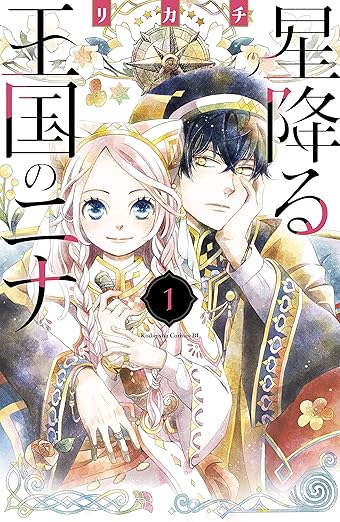
Nina the Starry Bride (星降る王国のニナ) is a palace fantasy × romance that begins with a “身代わり巫女” — an orphan girl forced to stand in as a princess-priestess for a deceased royal bride. Dragged from the slums into the glittering but dangerous courts of the kingdoms of Fortna and Galgada, Nina must master etiquette, dance, and keigo while negotiating complicated feelings for Prince Azūru and Prince Sett. The series blends political intrigue, arranged marriage drama, and slow-burn romance in a lush world that will strongly appeal to readers who enjoy titles like The Apothecary Diaries (薬屋のひとりごと) or Snow White with the Red Hair (赤髪の白雪姫).
What Japanese culture and workplace customs can you learn?
Learning focus: This manga is packed with court Japanese: layered honorifics between princes and retainers, ceremonial speech during audiences, and softer, vulnerable language in private scenes. Because Nina moves between rough orphan speech and refined princess-priestess talk, you can clearly hear how register shifts with status and emotional distance. Pay close attention to how characters balance duty and feeling using patterns like ~なければなりません, ~させてください, indirect refusals with ~わけにはいきません, and heartfelt confessions that still sound polite.
-
Substitute Priestess & Court Vocabulary:
Words like 巫女, 姫巫女, 王宮, 謁見, and 身代わり appear frequently, giving you a solid core of vocabulary for royal courts and religious roles. You can recycle much of this lexis in other fantasy, historical, or isekai series.
-
Titles, Ranks & How to Address Royals:
The series constantly contrasts casual names (ニナ, サジ) with titles such as 殿下, 陛下, and 王子様. Watching who switches from 名前+呼び捨て to 名前+様 or 職名+殿 helps you understand Japanese ways of encoding hierarchy and emotional distance.
-
Palace-Style Keigo for Requests & Orders:
Characters use expressions like お待ちください, お下がりください, and ~ていただけますか to give polite orders or make soft requests. These are ideal models if you want to sound respectful without being robotic in business or formal situations.
-
Love Confessions vs. Duty Talk:
Because romance and political duty constantly clash, you hear many contrastive patterns such as でも, たとえ~ても, and それでも used to oppose “fate” and “my true feelings.” This is great practice for expressing inner conflict and heartfelt confessions in Japanese.
-
Apologies, Regret & Self-Blame:
Nina and the princes often apologize with phrases like すまない, 申し訳ない, and ごめん, each carrying a different level of weight. Noticing when they choose humble 申し訳ありません vs. simple ごめんね teaches you how to match apology strength to the situation.
-
Negotiating Promises & Oaths:
Swearing to protect someone or keep a secret introduces useful patterns such as 必ず~する, ~と誓います, and ~と約束します. These formulae are easy to reuse in your own serious promises, from exam goals to relationship vows.
2) Practical Use Cases: Where You’ll Use This Japanese
Targets: fantasy isekai-style worlds, palace intrigue scenes, formal apologies to superiors, romantic confessions, rejecting or accepting marriage proposals, swearing oaths of loyalty, comforting someone under pressure
Politeness vs. Distance in a Fantasy Court (丁寧度×距離感): Quick Comparison
| Function | Casual | Standard Polite | Formal-Deferential |
|---|---|---|---|
| Asking for help | JP: 手伝ってくれる? Reading: てつだってくれる? / tetsudatte kureru? EN: Can you help me? |
JP: 手伝ってくれますか。 Reading: てつだってくれますか。 / tetsudatte kuremasu ka? EN: Could you help me? |
JP: お手伝いしていただけますでしょうか。 Reading: おてつだいして いただけますでしょうか。 / otetsudai shite itadakemasu deshō ka? EN: Might I humbly ask for your assistance? |
| Refusing a request | JP: それは無理。 Reading: それは むり。 / sore wa muri. EN: That’s impossible. |
JP: それは難しいです。 Reading: それは むずかしいです。 / sore wa muzukashii desu. EN: That would be difficult. |
JP: 申し訳ありませんが、それは致しかねます。 Reading: もうしわけ ありませんが、それは いたしかねます。 / mōshiwake arimasen ga, sore wa itashikanemasu. EN: I’m very sorry, but I must decline. |
| Soothing / reassuring | JP: 大丈夫だよ。 Reading: だいじょうぶだよ。 / daijōbu da yo. EN: It’s okay. |
JP: 大丈夫ですよ。 Reading: だいじょうぶですよ。 / daijōbu desu yo. EN: It’ll be all right. |
JP: ご心配にはおよびません。 Reading: ごしんぱいには およびません。 / goshinpai ni wa oyobimasen. EN: There is no need for concern. |
| Confirming understanding | JP: わかった。 Reading: わかった。 / wakatta. EN: Got it. |
JP: わかりました。 Reading: わかりました。 / wakarimashita. EN: I understand. |
JP: かしこまりました。 Reading: かしこまりました。 / kashikomarimashita. EN: Certainly; I have understood. |
3) Key Palace & Romance Scenes (Paraphrased) with Readings
Scene digest: Nina is brought to the palace and told she must live as the deceased princess-priestess, beginning her life as a substitute bride.
「今日からお前は、星の巫女アリシャだ。」
Reading: きょうから おまえは、ほしの みこ アリシャ だ。 (Kyō kara omae wa, hoshi no miko Arisha da.)
EN: From today, you are Alisha, the star priestess.
Scene digest: During etiquette training, Nina practices a formal self-introduction that she later reuses in audiences with nobles.
「初めまして、ニナと申します。どうぞよろしくお願いいたします。」
Reading: はじめまして、ニナと もうします。どうぞ よろしく おねがいいたします。 (Hajimemashite, Nina to mōshimasu. Dōzo yoroshiku onegai itashimasu.)
EN: It is a pleasure to meet you. My name is Nina; I humbly ask for your favor.
Scene digest: Nina protects someone by politely but firmly refusing a dangerous request from someone above her.
「申し訳ありませんが、それだけはお受けするわけにはいきません。」
Reading: もうしわけ ありませんが、それだけは おうけする わけには いきません。 (Mōshiwake arimasen ga, sore dake wa ouke suru wake ni wa ikimasen.)
EN: I am very sorry, but that is the one thing I simply cannot accept.
Scene digest: In a quiet moment, Nina confesses her feelings even though fate and politics are against her.
「たとえ運命が許さなくても、私はあなたを好きでいさせてください。」
Reading: たとえ うんめいが ゆるさなくても、わたしは あなたを すきで いさせてください。 (Tatoe unmei ga yurusanakute mo, watashi wa anata o suki de isasete kudasai.)
EN: Even if fate will not allow it, please let me go on loving you.
4) Language Breakdown: Vocabulary, Grammar & Discourse
Vocabulary (with collocations)
| Headword | Reading (kana / romaji) | Meaning | EN | Collocations | Near-synonyms / Register |
|---|---|---|---|---|---|
| 巫女 | みこ / miko | 神に仕える女性。祭祀や占いを行う役目。 | shrine maiden; woman who serves a deity in rituals or divination | 星の巫女/巫女として仕える/巫女の役目 | 神官(general shrine priest; more formal)、祭司(ritual officiant; literary) |
| 姫巫女 | ひめみこ / hime miko | 姫でありながら巫女としての役目を持つ存在。 | princess-priestess; royal woman who also serves as a shrine maiden | 姫巫女として嫁ぐ/姫巫女の務め/姫巫女に選ばれる | 巫女姫(similar meaning; variant order)、聖女(holy maiden; broader, often Christian-like) |
| 王宮 | おうきゅう / ōkyū | 王や王族が暮らす宮殿。政務も行われる場所。 | royal palace; residence and political center of a king | 王宮に招かれる/王宮を追放される/王宮で暮らす | 宮殿(palace; more architectural)、城(castle; broader, includes fortress) |
| 身代わり | みがわり / migawari | 本来の人の代わりとなること。またその人。 | substitute; stand-in who takes someone else’s place | 姫の身代わりになる/身代わりとして選ばれる/身代わりの花嫁 | 代理(neutral “on someone’s behalf”)、代役(role stand-in; theatrical feel) |
| 王子 | おうじ / ōji | 国王または王族の男性の子。プリンス。 | prince; son of a king or ruling royal | 第二王子アズール/王子に仕える/王子を守る | 殿下(honorific title for princes, etc.)、皇子(imperial prince; empire context) |
| 婚約 | こんやく / konyaku | 将来結婚する約束を交わすこと。 | engagement; formal promise to marry | 婚約を結ぶ/婚約を破棄する/政略結婚の婚約 | 約束(general promise)、結納(traditional betrothal gifts; cultural) |
| 運命 | うんめい / unmei | 人の力では変えられないとされる成り行き。 | fate; destiny believed to be beyond one’s control | 運命に逆らう/運命を受け入れる/運命に翻弄される | 宿命(inescapable fate; heavier tone)、天命(heaven’s will; religious) |
| 守る | まもる / mamoru | 危険や損害が及ばないようにする。約束を破らない。 | to protect; to keep (a promise) | 大切な人を守る/国を守る/約束を守る | 護る(protect; more formal/literary spelling)、救う(to save; focus on rescuing) |
| 裏切る | うらぎる / uragiru | 信頼や期待に反する行為をする。 | to betray; to go against someone’s trust or expectations | 仲間を裏切る/期待を裏切る/裏切られた過去 | だます(to deceive; casual)、背く(to go against; formal/literary) |
| 覚悟 | かくご / kakugo | 起こりうることを受け止めようと心を決めること。 | resolve; readiness to accept the consequences | 覚悟を決める/死ぬ覚悟/覚悟を問われる | 決意(decision; firm intention)、心構え(mental preparedness) |
Grammar & Discourse
~させてください uses the causative plus ください to make a strong but polite request for permission: you are asking to be allowed to do something for yourself or others. In palace scenes, Nina uses this when she insists on taking on a dangerous role to protect someone, sounding determined yet respectful.
Example (JP): この役目だけは、私にやらせてください。
Reading: この やくめだけは、わたしに やらせてください。 (Kono yakume dake wa, watashi ni yarasete kudasai.)
EN: Please let me be the one to take on this role.
~ていただけますか and its softer negative ~ていただけませんか turn a request into humble keigo: you frame the action as something you receive (いただく) from the other person. This pattern fits royal or business situations where you must sound both clear and very respectful.
Example (JP): もう一度だけ、説明していただけますか。
Reading: もういちどだけ、せつめいして いただけますか。 (Mō ichido dake, setsumei shite itadakemasu ka.)
EN: Could you kindly explain it one more time?
~わけにはいきません means “I cannot possibly do X” because of obligations, social rules, or conscience, not just lack of ability. Characters in the court use it for indirect refusals that sound serious and responsible rather than selfish.
Example (JP): 彼の命を危険にさらすわけにはいきません。
Reading: かれの いのちを きけんに さらす わけには いきません。 (Kare no inochi o kiken ni sarasu wake ni wa ikimasen.)
EN: I simply cannot put his life in danger.
たとえ~ても (or たとえ~でも) highlights that no matter what condition comes true, the speaker’s resolve or feeling will not change. In romantic and political conflicts, Nina often speaks this way to contrast harsh fate with unwavering feelings or promises.
Example (JP): たとえ国を追われても、約束だけは守ります。
Reading: たとえ くにを おわれても、やくそくだけは まもります。 (Tatoe kuni o owarete mo, yakusoku dake wa mamorimasu.)
EN: Even if I am driven out of the country, I will at least keep my promise.
5) Onomatopoeia & Emotion in the Palace Setting
- ドキドキ / dokidoki
- ざわざわ / zawazawa
- キラキラ / kirakira
- シーン / shiin
- ゴゴゴ / gogogo
6) Summary
In “Nina the Starry Bride”, a “身代わり巫女” (substitute priestess) is thrown into palace life, so you constantly hear royal titles, ritual language and tense negotiations over marriage and alliances. It is perfect if you like courtly fantasy romance such as “The Apothecary Diaries” or “Snow White with the Red Hair” and want ready-to-use phrases for polite but emotionally charged Japanese.
Quick links to search for the manga on Amazon.
A subscription is required, but you can start a Free Trial here。
Availability varies by region. Searches open in a new tab.


