Learn Sports Japanese with “Iwa-Kakeru! Sport Climbing Girls” (いわかける! -Sport Climbing Girls-): Club Talk & Strategy
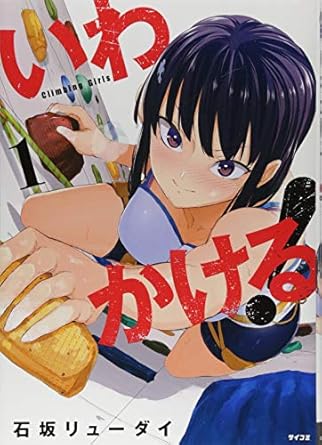
Quick links to search for the manga on Amazon.
Availability varies by region. Searches open in a new tab.
1) Manga Overview: What Is “Iwa-Kakeru! Sport Climbing Girls”?
Iwa‑Kakeru! follows puzzle‑game prodigy Kasahara Konomi as she joins her high school’s sport‑climbing club and learns to read walls like “rock puzzles.” The series blends lively competition with supportive club life, making it a learner‑friendly window into natural teen speech. You’ll hear approachable, mostly casual Japanese with light です/ます to seniors, plus sport terms (ホールド, ムーブ, グレード) that map neatly to real gym chatter.
What Japanese culture and workplace customs can you learn?
Learning focus: everyday club talk (requests, encouragement, quick confirmations) and strategy language used while reading routes. Notice sentence‑final particles よ/ね/かな for stance, softeners like ~てくれる?/~てもらえますか, and safety language such as ~ないように. Watch how teammates debrief with ~と思う/かも, and motivate each other with volitional ~よう and short cheers (いける! がんばろう!).
-
Senpai–Kōhai Politeness:
Clubs mix casual talk with light です/ます for seniors. Practice shifting between plain forms with peers and polite requests to upperclassmen or staff.
-
Encouragement & Reassurance:
Short boosts like「いける!」「がんばろう!」and care phrases「無理しないでね」keep tone friendly while minding safety and morale.
-
Strategy Talk (オブザベ):
Use route‑reading language such as「次の一手」「右手で取りにいく」「足を意識して」to plan moves concisely.
-
Safety & Warnings:
Learn gentle cautions with ~ないように/気をつけて and quick checks like「大丈夫?」「痛くない?」during practice.
-
Debriefing After Attempts:
Reflect with hedges and opinions:「さっきのムーブは難しかったと思う」「足が甘かったかも」→ action items for next try.
-
Katakana Sports Terms:
Frequent loanwords (ホールド, ムーブ, グレード, チョーク) improve gym literacy and listening speed.
2) Practical Use Cases: Where You’ll Use This Japanese
Targets: school club practices, bouldering or lead gym sessions, interschool competitions, peer coaching and feedback, hobby groups, casual teamwork.
Politeness vs. Distance (丁寧度×距離感): Quick Comparison
| Function | Casual (peers) | Standard Polite (senpai/staff) | Formal–Deferential (event/official) |
|---|---|---|---|
| Request | チョーク貸してくれる? reading: ちょーく かして くれる? / romaji: chōku kashite kureru? Can you lend me chalk? |
チョークを貸してもらえますか。 ちょーく を かして もらえますか / chōku o kashite moraemasu ka Could I borrow some chalk? |
恐れ入りますが、チョークをお借りしてもよろしいでしょうか。 おそれいりますが、… よろしいでしょうか / osoreirimasu ga … yoroshii deshō ka May I kindly borrow some chalk? |
| Encouragement | いける! がんばろう! いける! がんばろう! / ikeru! ganbarō! You got this! Let’s do it! |
その調子です! その ちょうし です! / sono chōshi desu! Keep it up! |
ご健闘をお祈りします。 ごけんとう を おいのりします / gokentō o oinori shimasu Wishing you the best. |
| Advice/Warning | 無理しないでね。 むり しないで ね / muri shinaide ne Don’t push too hard. |
足元に気をつけてください。 あしもと に きをつけて ください / ashimoto ni ki o tsukete kudasai Please watch your footing. |
怪我のないようご注意ください。 けが の ないよう ごちゅうい ください / kega no nai yō gochūi kudasai Please take care to avoid injury. |
| Confirmation | 大丈夫? いけそう? だいじょうぶ? いけそう? / daijōbu? ikesō? You okay? Think you can make it? |
準備は大丈夫ですか。 じゅんび は だいじょうぶ ですか / junbi wa daijōbu desu ka Are you ready? |
問題ございませんでしょうか。 もんだい ございません でしょうか / mondai gozaimasen deshō ka Are there any issues? |
3) Key Club Scenes (Paraphrased) with Readings
Scene digest: Teammates wrap up practice and acknowledge effort to keep motivation high.
「お疲れさま!」
Reading: おつかれさま! (otsukaresama!)
EN: Nice work today!
Scene digest: A senior checks on safety during a hard attempt.
「無理しないでね。」
Reading: むりしないでね。 (muri shinaide ne.)
EN: Don’t push too hard, okay?
Scene digest: Partners discuss the next move while reading the wall.
「次の一手は右だね。」
Reading: つぎのいってはみぎだね。 (tsugi no itte wa migi da ne.)
EN: The next move is to the right, yeah?
Scene digest: A polite request to borrow gear at the gym.
「チョーク貸してくれる?」
Reading: ちょーく かしてくれる? (chōku kashite kureru?)
EN: Can you lend me some chalk?
4) Language Breakdown: Vocabulary, Grammar & Discourse
Vocabulary (with collocations)
| Headword | Reading (kana / romaji) | Meaning | EN | Collocations | Near-synonyms / Register |
|---|---|---|---|---|---|
| 課題 | かだい / kadai | クライミングで登る設定ルート・問題 | climbing problem/route to solve | 課題に挑戦する/課題を攻略する/課題を落とす(=クリアする) | ルート(route)、問題(一般) |
| 完登 | かんとう / kantō | 落ちずに最後まで登り切ること | clean send; complete a route without falls | 完登する/フラッシュ完登/オンサイト完登 | クリア(口語)、登頂(登山) |
| ホールド | ほーるど / hōrudo | 手や足をかける突起 | hold; grip point on the wall | ホールドを取る/ホールドに届く/ホールド替え | 取っ手(口語) |
| ムーブ | むーぶ / mūbu | 体の動き・手順 | move; sequence of body actions | ムーブを組む/ムーブが決まる | 動き(一般)、手順(一般) |
| オブザベ | おぶざべ / obuzabe | 登る前の観察(観察・作戦立て) | observation of the route before climbing | オブザベする/オブザベタイム | 観察(一般) |
| グレード | ぐれーど / gurēdo | 難易度の等級 | grade; difficulty rating | グレードを上げる/グレード表 | 難易度(一般) |
| 体幹 | たいかん / taikan | 胴体の安定に関わる筋群 | core muscles; trunk stability | 体幹を鍛える/体幹を意識する | コア(外来語) |
| 柔軟 | じゅうなん / jūnan | 体をほぐす運動・柔らかさ | stretching; flexibility | 柔軟をする/柔軟性を高める | ストレッチ(外来語) |
| 反省会 | はんせいかい / hanseikai | 練習・試合後の振り返り | review/debrief after practice or a match | 反省会をする/課題点を共有する | 振り返り(一般)、レビュー(外来語) |
| チョーク | ちょーく / chōku | 手の滑りを防ぐ粉 | climbing chalk | チョークをつける/チョークを貸す/借りる | 粉(一般) |
Grammar & Discourse
New moves are tested with ~てみる to show trial without certainty. It’s friendly and low‑pressure.
Example (JP): このムーブ、試してみる。
Reading: この むーぶ、ためしてみる。 (kono mūbu, tameshite miru.)
EN: I’ll try this move.
Use with peers for quick help. ~てもらえますか is the polite upgrade for seniors or staff.
Example (JP): ビデオ撮ってもらえる?
Reading: びでお とって もらえる? (bideo totte moraeru?)
EN: Could you record a video for me?
Recommend safer or better actions. Softening with よ/ね keeps tone supportive.
Example (JP): 今日は無理しないほうがいいよ。
Reading: きょう は むり しない ほうが いい よ。 (kyō wa muri shinai hō ga ii yo.)
EN: You’d better not push it today.
Use 見た目判断 with ~そう: potential or appearance. Great for quick reads on routes.
Example (JP): いけそう?
Reading: いけそう? (ikesō?)
EN: Think it’s doable?
Express routines or goals you try to maintain in training.
Example (JP): 毎日ストレッチするようにしてる。
Reading: まいにち すとれっち する ように してる。 (mainichi sutorecchi suru yō ni shiteru.)
EN: I try to stretch every day.
5) Onomatopoeia & Register (Club/Gym Flavor)
- ドキドキ / dokidoki
- ハァハァ / haahaa
- ギュッ / gyu
- ズルッ / zuru
- プルプル / purupuru
- スッ / su
- パチン / pachin
6) Summary
A high school climbing club is perfect for practicing friendly, goal‑focused Japanese: short encouragements, simple requests, and clear strategy talk. Learn set phrases like o-tsukaresama, muri shinai de, and te‑form requests that you can use at gyms, clubs, and everyday teamwork situations.
Quick links to search for the manga on Amazon.
Availability varies by region. Searches open in a new tab.


