Learn Sports Japanese with “Ace of Diamond” (ダイヤのA): Senpai–Kōhai Talk, Practice Calls & Game Strategy
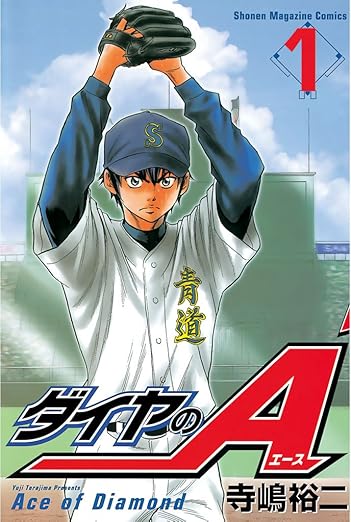
Quick links to search for the manga on Amazon.
A subscription is required, but you can start a Free Trial here。
Availability varies by region. Searches open in a new tab.
1) Manga Overview: What Is “Ace of Diamond”?
Ace of Diamond follows pitcher Sawamura Eijun and Seidō High School’s baseball club as they grind through practices, selections, and high‑stakes tournaments. Set in a realistic school team, it balances locker‑room banter with respectful talk to seniors and coaches, giving learners a clear view of how Japanese shifts by hierarchy and situation. It’s popular for its tense games, detailed strategy, and a protagonist whose loud optimism gradually hardens into disciplined teamwork.
What Japanese culture and workplace customs can you learn?
Learning focus: Track how players switch between casual peer talk and polite forms with seniors/coach. Notice set phrases at practice (greetings, apologies, requests), short command chains during plays, and strategy briefings (targets, confirmations). Build a sports core vocabulary you can transfer to clubs, group projects, and workplace teams.
-
Senpai–Kōhai Etiquette:
Learn respectful address, timing of あいさつ, and safe defaults like 「お願いします/失礼します」 when entering or leaving practice spaces.
-
Practice Calls & Huddles:
Useful fixed lines such as 「声出していこう!」「切り替え!」 and how imperatives/volition motivate the team.
-
Requests & Permission:
Ask seniors and coaches with softeners: 「〜てもらえますか」「〜させてください」「〜でよろしいですか」 to match distance and stakes.
-
Quick Apologies & Recovery:
Compact repairs after errors—「すみません」「次は徹します」—plus pairing apology with a concrete next action.
-
Strategy & Signals:
Words for bunts, pitch calls, pickoffs, and confirmations like 「サイン確認」「配球を読む」 to follow in‑game talk.
-
Numbers, Counts, Timing:
Count balls/strikes/outs, use short timing cues (今、次、外角・内角) and brief confirmations 「合ってますか?」.
2) Practical Use Cases: Where You’ll Use This Japanese
Targets: school sports clubs, practice sessions, team huddles, coach check-ins, tournament games, post-game reports, travel with teammates
Politeness vs. Distance (丁寧度×距離感): Quick Comparison
| Function | Casual (Peers) | Standard Polite (Senpai/Coach) | Formal‑Deferential (Officials/Opponents) |
|---|---|---|---|
| Request |
キャッチボールしよ。
kyatchibōru shiyo.
Let’s play catch.
|
キャッチボールしてもらえますか。
kyatchibōru shite moraemasu ka.
Could you play catch with me?
|
キャッチボールをお願いしてもよろしいでしょうか。
kyatchibōru o onegai shite mo yoroshii deshō ka.
May I kindly ask you to play catch?
|
| Refusal/Deferring |
今は無理。
ima wa muri.
Can’t right now.
|
すみません、今日は難しいです。
sumimasen, kyō wa muzukashii desu.
Sorry, today’s difficult.
|
申し訳ありませんが、ただいまは対応しかねます。
mōshiwake arimasen ga, tadaima wa taiō shikanemasu.
I’m sorry, but I can’t accommodate that at the moment.
|
| Encouragement |
行こう!集中!
ikō! shūchū!
Let’s go! Focus!
|
行きましょう、集中していきましょう。
ikimashō, shūchū shite ikimashō.
Let’s go and keep focusing.
|
本日はよろしくお願いします。
honjitsu wa yoroshiku onegai shimasu.
We appreciate your good game today.
|
| Confirmation |
サイン合ってる?
sain atteru?
Got the sign?
|
サインはこれで合っていますか。
sain wa kore de atatte imasu ka.
Is this the correct sign?
|
こちらの認識でよろしいでしょうか。
kochira no ninshiki de yoroshii deshō ka.
May I confirm this understanding?
|
3) Key Team Scenes (Paraphrased) with Readings
Scene digest: A first‑year asks a senior to do extra practice after team drills. Goal: polite request to a higher‑status teammate.
「時間があれば、キャッチボール付き合ってもらえますか?」
Reading: じかんがあれば、キャッチボール つきあって もらえますか? (jikan ga areba, kyatchibōru tsukiatte moraemasu ka?)
EN: If you have time, could you play catch with me?
Scene digest: After a wild pitch, the player apologizes and states a concrete adjustment. Goal: quick repair + next action.
「先ほどはすみませんでした。次は低めに徹します。」
Reading: さきほどは すみませんでした。つぎは ひくめに てっします。 (sakihodo wa sumimasen deshita. tsugi wa hikume ni tesshimasu.)
EN: I’m sorry about earlier. I’ll stick to the low zone next time.
Scene digest: Batter confirms the sign before stepping in. Goal: clear strategy confirmation.
「送りバントでよろしいですか?」
Reading: おくりバントで よろしいですか? (okuri banto de yoroshii desu ka?)
EN: Is a sacrifice bunt okay?
Scene digest: Team huddle after an error. Goal: reset mood and encourage action.
「切り替えていこう!一本!」
Reading: きりかえて いこう! いっぽん! (kirikaete ikō! ippon!)
EN: Reset and let’s go—one good play!
4) Language Breakdown: Vocabulary, Grammar & Discourse
Vocabulary (with collocations)
| Headword | Reading (kana / romaji) | Meaning | EN | Collocations | Near-synonyms / Register |
|---|---|---|---|---|---|
| 先輩 | せんぱい / senpai | 自分より年上・上級の人への呼称 | senior (at school/club) | 先輩にあいさつする/先輩の指示/先輩に相談する | 上級生(neutral)、目上(formal) |
| 後輩 | こうはい / kōhai | 自分より年下・下級の人 | junior (at school/club) | 後輩を指導する/後輩に声をかける | 下級生(neutral) |
| 監督 | かんとく / kantoku | チームの指揮・指導を行う人 | manager; head coach | 監督の采配/監督に報告する | コーチ(assistant/position coach)、指導者(general) |
| 采配 | さいはい / saihai | 指揮や作戦の指示 | tactical decisions; managing | 采配を振るう/見事な采配 | 指揮(formal) |
| 先発 | せんぱつ / senpatsu | 試合の最初に出場すること/選手 | starter; starting (pitcher/lineup) | 先発投手/先発メンバー/先発する | スタメン(casual) |
| 交代 | こうたい / kōtai | 選手を入れ替えること | substitution; change | 選手交代/投手を交代する | 交替(variant) |
| 送りバント | おくりバント / okuri banto | 走者を進める目的のバント | sacrifice bunt | 送りバントを決める/送りバントのサイン | 犠打(ぎだ) |
| 牽制 | けんせい / kensei | 走者の進塁を防ぐための動作・球 | pickoff move; holding a runner | 牽制球を投げる/牽制に引っかかる | けん制(kana variant) |
| 配球 | はいきゅう / haikyū | 投球の組み立て・球種配分 | pitch selection; sequencing | 配球を読む/配球を組み立てる | リード(catcher’s calling; casual) |
| 守備 | しゅび / shubi | 相手の攻撃を防ぐプレー | defense (fielding) | 守備位置/守備固め | ディフェンス(loan) |
| 打順 | だじゅん / dajun | 打者の出場順 | batting order | 打順を組む/打順が回る | 打線(lineup) |
| ベンチ | ベンチ / benchi | 選手・監督が控える場所 | bench (dugout) | ベンチ入り/ベンチで声を出す | ダグアウト(loan) |
Grammar & Discourse
Volitional+継続の「いく」で、流れを作る掛け声。試合・練習で「継続してやる」ニュアンスを出せます。
Example (JP): 声を出していこう!
Reading: こえを だして いこう! (koe o dashite ikō!)
EN: Let’s keep calling out!
自分の行為に許可を求める丁寧な依頼。コーチや先輩に対して安全。
Example (JP): もう一球、投げさせてください。
Reading: もう いっきゅう、なげさせて ください。 (mō ikkyū, nagesasete kudasai.)
EN: Please let me throw one more pitch.
技術指導や確認を頼むときの定番。相手への配慮が伝わります。
Example (JP): フォームを見てもらえますか。
Reading: フォームを みて もらえますか。 (fōmu o mite moraemasu ka?)
EN: Could you watch my form?
チーム内での自己申告や報告に。自分を低めつつ意思を示します。
Example (JP): 次は外角で勝負させてもらいます。
Reading: つぎは がいかくで しょうぶ させて もらいます。 (tsugi wa gaikaku de shōbu sasete moraimasu.)
EN: I’ll take on the batter outside next.
断定を避けた提案・意向表明。戦術会話で角を立てません。
Example (JP): 次は落ちる球でいこうと思います。
Reading: つぎは おちるたまで いこう と おもいます。 (tsugi wa ochiru tama de ikō to omoimasu.)
EN: I think I’ll go with a breaking ball next.
5) Onomatopoeia & Register (Baseball Club Flavor)
- カキーン / kakīn
- ズバッ / zubā
- バシッ / bashi
- ザワザワ / zawazawa
- ドキドキ / dokidoki
- ワァー / wā
- キュッ / kyu
6) Summary
Train your ear for real clubroom Japanese: polite speech to seniors and coaches, brisk peer talk on the field, and fixed phrases for practices and games. This series is ideal for mastering requests, quick apologies, regrouping cues, and sports strategy words you can reuse in any team setting.
Quick links to search for the manga on Amazon.
A subscription is required, but you can start a Free Trial here。
Availability varies by region. Searches open in a new tab.


