Learn Casual & Crisis Japanese with “Devilman” (デビルマン): Rough Speech, Warnings & Emotion
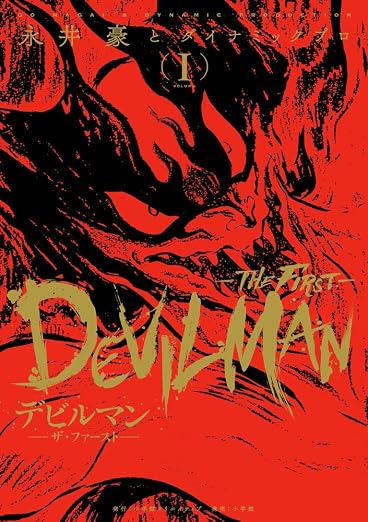
Quick links to search for the manga on Amazon.
Availability varies by region. Searches open in a new tab.
1) Manga Overview: What Is “Devilman”?
Devilman (デビルマン) by Gō Nagai is a classic shōnen horror manga where everyday school life collides with the supernatural, pushing characters into high-stakes choices and urgent confrontations. For Japanese learners, it’s valuable because the dialogue leans heavily on natural casual speech, rough masculine phrasing, and emotionally charged lines—exactly the kind of Japanese you need to recognize in action-heavy anime/manga and in real-life “urgent” moments (warnings, stopping someone, refusing danger). Akira’s dual life also creates lots of language around secrecy, identity, and persuasion.
What Japanese culture and workplace customs can you learn?
Learning focus: Track how characters use short, forceful sentences; sentence-final particles (ぞ・ぜ・かよ); and direct imperatives (来い/やめろ) to control the moment. Notice how explanations often use 〜んだ to justify actions, and how refusals are frequently paired with urgency (“今は無理だ”). When you rewrite key lines into 丁寧語 (です/ます), you’ll build practical “tone-switch” skill.
-
Imperatives & Stop-Phrases:
Learn high-frequency commands like やめろ, 逃げろ, 来い, plus softer alternatives (やめて, やめてくれ) depending on closeness.
-
Rough Questions & Pressure:
Forms like 〜かよ and blunt questions (本当か?) signal suspicion, shock, or pushing for a fast answer—common in heated scenes.
-
Warnings in One Breath:
Practice short warnings: 危ない!, 来るぞ!, 気をつけろ!. These are useful beyond manga for emergencies and sports.
-
Explaining with 〜んだ/〜んだよ:
Characters justify choices under stress: 〜んだ adds “here’s the reason/that’s the situation,” which makes your Japanese sound more natural when explaining quickly.
-
Refusals + Alternatives:
Even in rough speech, a good refusal often adds an alternative: “今は無理だ。あとで行く。” This is a practical conversation habit.
-
Tone-Switch Drills (Casual → Polite):
Convert intense casual lines into 丁寧語 for safer real-world use. This builds control over distance (友達 vs 初対面) and reduces accidental rudeness.
2) Practical Use Cases: Where You’ll Use This Japanese
Targets: talking with close friends, reacting in emergencies, giving warnings, stopping someone, refusing risky plans, explaining urgent situations, tone-switching to polite speech
Politeness vs. Distance (丁寧度×距離感): Quick Comparison
| Function | Casual (close/rough) | Standard Polite | Formal-Deferential |
|---|---|---|---|
| Request | 待ってくれ。 (まって くれ) matte kure |
待ってください。 (まって ください) matte kudasai |
少々お待ちいただけますでしょうか。 (しょうしょう おまち いただけます でしょうか) shōshō omachi itadakemasu deshō ka |
| Refusal | 無理だ。 (むり だ) muri da |
難しいです。 (むずかしい です) muzukashii desu |
恐れ入りますが、難しいです。 (おそれいります が、むずかしい です) osoreirimasu ga, muzukashii desu |
| Warning | 危ないぞ! (あぶない ぞ) abunai zo |
危ないですよ。 (あぶない です よ) abunai desu yo |
危険ですので、お下がりください。 (きけん です ので、おさがり ください) kiken desu node, osagari kudasai |
| Confirmation | 本当か? (ほんとう か) hontō ka |
本当ですか? (ほんとう です か) hontō desu ka |
本当でございますか? (ほんとう で ございます か) hontō de gozaimasu ka |
3) Key Scenes (Learner-Friendly, Paraphrased) with Readings
Scene digest: A friend senses something is wrong and demands an explanation. The pragmatic goal is to deny/deflect without escalating the conflict.
「ちがう、誤解だ。」
Reading: ちがう、ごかい だ。 (chigau, gokai da.)
EN: No—this is a misunderstanding.
Scene digest: A sudden threat appears; the speaker must warn others immediately. The pragmatic goal is a short, high-urgency warning.
「来るぞ、気をつけろ!」
Reading: くる ぞ、きをつけろ! (kuru zo, ki o tsukero!)
EN: It’s coming—watch out!
Scene digest: Someone tries to stop a risky action. The pragmatic goal is a direct prohibition that sounds natural in casual speech.
「やめろ、今は危ない!」
Reading: やめろ、いま は あぶない! (yamero, ima wa abunai!)
EN: Stop it—this is dangerous right now!
Scene digest: A character persuades an ally to move together despite fear. The pragmatic goal is to propose a joint action ("let’s").
「一緒に行こうぜ。」
Reading: いっしょに いこう ぜ。 (issho ni ikō ze.)
EN: Let’s go together.
4) Language Breakdown: Vocabulary, Grammar & Discourse
Vocabulary (with collocations)
| Headword | Reading (kana / romaji) | Meaning | EN | Collocations | Near-synonyms / Register |
|---|---|---|---|---|---|
| 悪魔 | あくま / akuma | 人間に害をなす超自然的な存在 | demon; devil | 悪魔が現れる/悪魔に取りつかれる/悪魔と戦う | 魔物(まもの:ややファンタジー寄り)、鬼(おに:民話・比喩にも多い) |
| 正体 | しょうたい / shōtai | 本当の姿・身分 | true identity; real nature | 正体を隠す/正体がばれる | 素性(すじょう:出自・経歴寄り) |
| 変身 | へんしん / henshin | 姿・状態が別のものに変わること | transformation (esp. hero/monster change) | 変身する/変身できる/変身を解く | 変化(へんか:一般的・中立)、変貌(へんぼう:硬め・劇的) |
| 合体 | がったい / gattai | 2つ以上が一つになること | fusion; combining | 合体する/合体して力を得る | 融合(ゆうごう:硬め・抽象にも) |
| 襲う | おそう / osou | 急に攻撃する・危害を加える | to attack; to assault | 人を襲う/夜に襲われる | 攻撃する(こうげきする:中立・説明的) |
| 逃げる | にげる / nigeru | 危険から離れて走って避ける | to run away; to escape | ここから逃げろ/必死に逃げる | 退く(しりぞく:硬め・戦闘/比喩) |
| 危険 | きけん / kiken | 命・安全に悪い影響があること | danger; risk | 危険が迫る/危険な目に遭う | リスク(外来語・ビジネス寄り) |
| 恐怖 | きょうふ / kyōfu | 強いこわさ | fear; terror | 恐怖を感じる/恐怖で震える | 恐れ(おそれ:やや硬め・敬意の意味もあり)、こわさ(くだけた言い方) |
| 叫ぶ | さけぶ / sakebu | 大声で言う | to shout; to scream | 助けてと叫ぶ/名前を叫ぶ | 怒鳴る(どなる:怒りニュアンスが強い) |
| 裏切り | うらぎり / uragiri | 信頼を破る行為 | betrayal | 裏切り者/裏切りに気づく | 背信(はいしん:硬め・文章語) |
Grammar & Discourse
~てくれ is a direct, casual request often used between close friends (and often sounds rough). Add よ to push the listener a bit more. For safer daily use with people you don’t know well, switch to ~てください.
Example (JP): 待ってくれ。
Reading: まって くれ。 (matte kure.)
EN: Wait (for me), will you.
行くな, 見るな are short “Don’t …” commands. They are very strong and can sound aggressive, but they’re common in urgent warnings and fiction. A softer alternative is ~ないで (e.g., 行かないで).
Example (JP): 行くな!
Reading: いく な! (iku na!)
EN: Don’t go!
~んだ adds an explanatory tone: “(Because) it’s that way / that’s what’s going on.” It’s extremely useful for quick justifications and for sounding natural in casual Japanese. With よ, it becomes more listener-directed.
Example (JP): 今は無理なんだ。
Reading: いま は むり なんだ。 (ima wa muri nan da.)
EN: I can’t right now (that’s the situation).
~かよ is a rough, emotional “Seriously?/For real?” style question. It often expresses disbelief, frustration, or shock. Don’t use it in polite settings; in neutral speech, use ~ですか or 本当?.
Example (JP): 本当かよ?
Reading: ほんとう かよ? (hontō kayo?)
EN: Seriously? Is that true?
~よう is “Let’s …”. Adding ぜ makes it more masculine and forceful (common in shōnen dialogue). For a softer invitation, try ~ようか or ~しよう.
Example (JP): 一緒に行こうぜ。
Reading: いっしょに いこう ぜ。 (issho ni ikō ze.)
EN: Let’s go together.
5) Onomatopoeia for Horror/Action Tension (High-Frequency Sounds)
- ドーン / dōn
- バキッ / baki
- ガタガタ / gatagata
- ザワザワ / zawazawa
- ギャー / gyā
- ドキドキ / dokidoki
- ヒュッ / hyu
6) Summary
Devilman is great for learning punchy, informal Japanese: masculine sentence endings (ぞ/ぜ), commands, prohibitions, and crisis-time warnings. It also helps you practice switching tone—how to sound close and urgent with friends versus more controlled and polite with strangers.
Quick links to search for the manga on Amazon.
Availability varies by region. Searches open in a new tab.


