Learn School Japanese with “Utsuranain Desu” (写らナイんです): Casual Speech, Requests & Reassurance
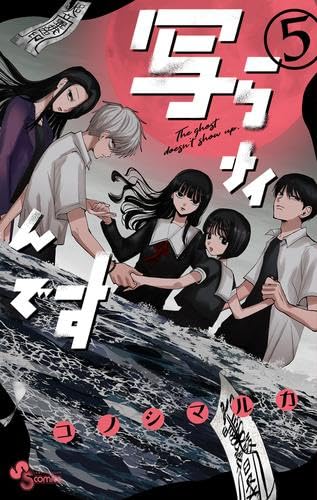
Quick links to search for the manga on Amazon.
Availability varies by region. Searches open in a new tab.
1) Manga Overview: What Is “Utsuranain desu”?
“Utsuranain Desu” (写らナイんです) is a contemporary school occult comedy by Ruka Konoshima, serialized in Weekly Shōnen Sunday (Shogakukan). It pairs a spirit‑attracting boy with an occult‑obsessed girl whose attempts to take ghost photos inexplicably dispel spirits—an irresistible setup for funny yet tense encounters. For learners, it offers abundant, realistic teen dialogue (casual register), occasional teacher–student politeness, and clear situation cues (warnings, invitations, apologies) set around club activities, festivals, and urban‑legend outings.
What Japanese culture and workplace customs can you learn?
Learning focus: conversational Japanese in a school/club setting—how to make requests and invitations softly (~てくれる?/~てもらえる?), ask permission (~てもいい?/~てもいいですか), and reassure or warn friends (大丈夫/気をつけて). Notice sentence‑ending particles (ね/よ/かな), quotative って for rumors, and onomatopoeia that conveys fear and tension (ドキドキ, ゾクッ, シーン).
-
Casual Club Talk:
Hear plain‑form verbs, sentence‑ending particles (ね/よ/かな), and friendly aizuchi (うん/まじで?) during planning and debriefs.
-
Requests & Invitations:
Use ~てくれる?/~てもらえる? to ask friends for help; upgrade to ~ていただけますか for teachers or staff.
-
Warnings & Safety:
Practice urgent but natural phrasing: 危ないから離れて!/気をつけてください to keep others safe.
-
Reassurance & Comfort:
Soften fear with 大丈夫?/大丈夫だよ and offer support: ついてるから/一緒に行こう.
-
Hearsay & Rumors (って/らしい):
Report school rumors or urban legends with 〜って and 〜らしい; add hedges like かも to avoid overclaiming.
-
Switching Politeness:
Notice shifts from casual with peers to 丁寧語 with teachers, shop staff, or event organizers.
-
Photo/Occult Vocabulary:
Useful terms like 心霊写真, 除霊, 結界, お札 appear alongside everyday school words (文化祭, 先輩, 顧問).
2) Practical Use Cases: Where You’ll Use This Japanese
Targets: school club meetings, class conversations, planning outings, festival/sightseeing talk, asking permission, soft refusals, safety warnings, sharing rumors
Politeness vs. Distance (丁寧度×距離感): Quick Comparison
| Function | Casual | Standard Polite | Formal‑Deferential |
|---|---|---|---|
| Request | ちょっと手伝って。 chotto tetsudatte Give me a hand. |
手伝ってもらえますか。 tetsudatte moraemasu ka Could you help? |
お手伝いいただけますでしょうか。 otetsudai itadakemasu deshō ka Might we ask for your assistance? |
| Refusal (soft) | ごめん、無理。 gomen, muri Sorry, can’t. |
すみません、難しいです。 sumimasen, muzukashii desu Sorry, that’s difficult. |
恐れ入りますが、今回は見送らせてください。 osoreirimasu ga, konkai wa miokurasete kudasai Regretfully, I must pass this time. |
| Reassurance | 大丈夫だよ。 daijōbu da yo You’ll be fine. |
大丈夫です。 daijōbu desu It’s okay. |
ご安心ください。 goanshin kudasai Please rest assured. |
| Warning | 危ないよ、気をつけて。 abunai yo, ki o tsukete Careful, it’s dangerous. |
危ないので気をつけてください。 abunai no de ki o tsukete kudasai Please be careful. |
危険ですのでご注意ください。 kiken desu no de gochūi kudasai Due to danger, please use caution. |
3) Key School & Occult Scenes (Paraphrased) with Readings
Scene digest: The occult club recruits a nervous classmate for a night survey; the goal is to invite without pressuring.
「一緒に行ってみない?」
Reading: いっしょに いって みない? (issho ni itte minai?)
EN: Wanna try going together?
Scene digest: Before entering a restricted area, a member asks the teacher for permission.
「ちょっと確認してもいいですか?」
Reading: ちょっと かくにんしても いいですか? (chotto kakunin shite mo ii desu ka?)
EN: May I check on that?
Scene digest: A friend panics at a sudden noise; the partner calms them.
「大丈夫、私がついてるから。」
Reading: だいじょうぶ、わたしが ついてる から。 (daijōbu, watashi ga tsuiteru kara.)
EN: It’s okay—I’m right here with you.
Scene digest: An unseen danger appears near the club; a quick warning is needed.
「危ないから離れて!」
Reading: あぶない から はなれて! (abunai kara hanarete!)
EN: It’s dangerous—back away!
4) Language Breakdown: Vocabulary, Grammar & Discourse
Vocabulary (with collocations)
| Headword | Reading (kana / romaji) | Meaning | EN | Collocations | Near-synonyms / Register |
|---|---|---|---|---|---|
| 霊感 | れいかん / reikan | 超常的なものを感じ取る感覚。 | spiritual sensitivity; sixth sense for spirits. | 霊感がある/ない/霊感ゼロ/霊感テスト | 第六感(colloq.)、勘(casual) |
| 除霊 | じょれい / jorei | 憑いた霊を祓い去ること。 | exorcism; removing a possessing spirit. | 除霊する/除霊グッズ/除霊に成功する | 祓い(formal/ritual) |
| 心霊写真 | しんれいしゃしん / shinrei shashin | 霊的なものが写り込んだとされる写真。 | a photo allegedly showing a spirit. | 心霊写真を撮る/影が写り込む/検証する | 心霊映像(video) |
| 怨霊 | おんりょう / onryō | 恨みを抱いて祟る霊。 | vengeful spirit. | 怨霊に取り憑かれる/怨霊を鎮める/怨霊の噂 | 幽霊(neutral)、亡霊(literary) |
| お札 | おふだ / ofuda | 神社などで授与される護符。 | protective talisman/amulet (paper charm). | お札を貼る/お札をはがす | 御守り(related) |
| 結界 | けっかい / kekkai | 外からの侵入や悪影響を防ぐ境界。 | protective barrier; warding field. | 結界を張る/結界が破れる/結界に入る | バリア(casual) |
| 噂 | うわさ / uwasa | 人づてに広まる話。 | rumor; hearsay. | 噂が広まる/噂を信じる/噂話 | 風評(formal) |
| 配信者 | はいしんしゃ / haishinsha | 動画・生放送を配信する人。 | streamer; content creator. | 配信者として活動する/生配信をする/迷惑配信 | YouTuber(loan)、ストリーマー(loan) |
| 文化祭 | ぶんかさい / bunkasai | 学校で行う文化的な催し。 | school culture festival. | 文化祭の準備/出し物を決める/実行委員 | 学園祭(synonym) |
| 肝試し | きもだめし / kimodameshi | 恐怖に耐える度胸試しの遊び。 | test of courage (night walk, haunted event). | 肝試しに行く/肝試し大会 | お化け屋敷(related) |
Grammar & Discourse
Casual, friendly requests that feel less pushy than 命令形. くれる focuses on the listener’s action for you; もらえる frames it as your receiving a favor. Add ちょっと/悪いけど to soften further.
Example (JP): この荷物、持ってくれる?
Reading: この にもつ、もって くれる? (kono nimotsu, motte kureru?)
EN: Could you hold this bag for me?
Use the casual form with friends and the ですか form with teachers or staff. Combine with ちょっと/今 to give context and reduce imposition.
Example (JP): ここで写真を撮ってもいいですか。
Reading: ここで しゃしんを とっても いいですか。 (koko de shashin o tottemo ii desu ka?)
EN: Is it okay to take a photo here?
Informal という is often reduced to って in speech to pass along rumors or what someone said. Pair with らしい/かも to hedge.
Example (JP): あのトンネル、出るって。
Reading: あの トンネル、でるって。 (ano tonneru, deru tte.)
EN: They say that tunnel is haunted.
Expresses possibility without committing. Great for cautious claims in scary or uncertain situations.
Example (JP): ここ、危ないかも。
Reading: ここ、あぶない かも。 (koko, abunai kamo.)
EN: This spot might be dangerous.
Short for ~ないといけない. In speech, ~ないと alone often implies “we’d better…” with an urgent tone.
Example (JP): 暗くなる前に戻らないと。
Reading: くらく なる まえに もどらないと。 (kuraku naru mae ni modoranai to.)
EN: We’d better get back before it gets dark.
5) Onomatopoeia & Mood (School Horror Flavor)
- ドキドキ / dokidoki
- ゾクッ / zoku
- ガタガタ / gatagata
- シーン / shiin
- ビクッ / biku
- ザワザワ / zawazawa
- ヒュ〜 / hyū
6) Summary
A school-club horror comedy that’s perfect for practicing natural high‑school Japanese: casual invitations and requests, soft refusals, and phrases for warning and reassurance. Watch how characters switch from casual to polite with teachers and seniors while reacting to spooky situations.
Quick links to search for the manga on Amazon.
Availability varies by region. Searches open in a new tab.


