Learn Casual Japanese with “Dragon Ball” (ドラゴンボール): Sentence Enders, Requests & Team Talk
Quick links to search for the manga on Amazon.
A subscription is required, but you can start a Free Trial here。
Availability varies by region. Searches open in a new tab.
1) Manga Overview: What Is “Dragon Ball”?
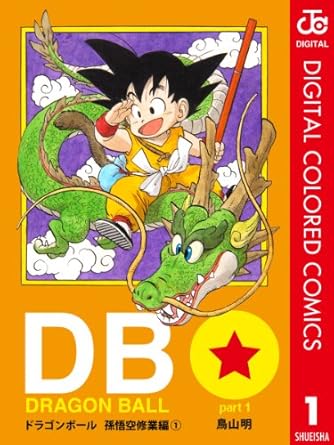
Dragon Ball follows Son Goku’s adventures from his first journey with Bulma to world‑saving battles. For learners, it offers abundant, clear casual Japanese: short clauses, frequent repeatable patterns, and plenty of real interaction among friends and rivals. Early arcs lean comedic and travel‑heavy (shops, bargaining, directions), while later arcs add intense teamwork and strategy talk. Its global appeal comes from Goku’s upbeat persistence and the series’ rhythm of training, challenge, and growth.
What Japanese culture and workplace customs can you learn?
Learning focus: plain forms, sentence‑ending particles (ぞ・ぜ・な・よ), quick requests with ~てくれる/~てくれない?, and suggestion/decision language (~よう/~ようぜ/~ようか). Notice hedges like ~かな/~かも for softer tone, and how characters shift wording for allies vs. strangers. Onomatopoeia amplifies mood and helps you map sound to action cues.
-
Pronouns & Greetings:
Casual self‑introductions (e.g., オッス/オラ/俺) and name‑first introductions; learn when these feel friendly vs. too rough.
-
Sentence Enders = Tone Control:
ぞ・ぜ add force, な seeks alignment, よ asserts new info; practice swapping with ね for softer nuance.
-
Requests & Favors:
~てくれ/~てくれない? for quick asks among peers; contrast with ~てもらえますか for polite settings.
-
Suggestions & Strategy:
Volitional ~よう/~ようぜ/~ようか and set moves like 任せた, 交代しよう, ここは引こう to plan and adapt.
-
Numbers & Counters:
Practice 個(こ) for items (ドラゴンボール7個), 人(にん) for people, 回(かい) for attempts, 分(ふん) for time limits.
-
Onomatopoeia for Action:
Map sounds like ゴゴゴ (rumble), バキッ (hit), ドン (impact) to scene tension and reactions.
-
Idiolects & Register Awareness:
Some characters speak roughly; learn it for comprehension, but switch to standard polite in real life.
2) Practical Use Cases: Where You’ll Use This Japanese
Targets: friend hangouts, school clubs, sports teams, gaming voice chat, casual travel planning, hobby groups
Politeness vs. Distance (丁寧度×距離感): Quick Comparison
| Function | Casual | Standard Polite | Formal‑Deferential |
|---|---|---|---|
| Request | ちょっと手伝ってくれ。 ちょっと てつだってくれ|chotto tetsudatte kure Help me out. |
少し手伝ってくれませんか。 すこし てつだって くれませんか|sukoshi tetsudatte kuremasen ka Could you help? |
恐れ入りますが、お手伝いいただけますでしょうか。 おそれいりますが、おてつだい いただけますでしょうか|osoreirimasu ga, otetsudai itadakemasu deshō ka May I ask for your assistance? |
| Refusal/Deferral | 今は無理だ。 いまは むりだ|ima wa muri da Can’t now. |
今は難しいです。 いまは むずかしいです|ima wa muzukashii desu It’s difficult now. |
申し訳ありませんが、ただいま対応いたしかねます。 もうしわけ ありませんが、ただいま たいおう いたしかねます|mōshiwake arimasen ga, tadaima taiō itashikanemasu I’m afraid we cannot handle this at the moment. |
| Offer Alternative | 代わりに明日やろうぜ。 かわりに あした やろうぜ|kawarini ashita yarō ze Let’s do it tomorrow instead. |
代わりに明日でもいかがですか。 かわりに あしたでも いかがですか|kawarini ashita demo ikaga desu ka Shall we do it tomorrow? |
差し支えなければ、別案として明日ご提案いたします。 さしつかえ なければ、べつあん として あした ごていあん いたします|sashitsukae nakereba, betsuan toshite ashita goteian itashimasu If acceptable, I will propose tomorrow as an alternative. |
| Confirmation | それでいいな? それで いいな|sore de ii na That OK? |
それでよろしいですか。 それで よろしいですか|sore de yoroshii desu ka Is that all right? |
こちらの内容で問題ございませんでしょうか。 こちらの ないようで もんだい ございません でしょうか|kochira no naiyō de mondai gozaimasen deshō ka Would this be acceptable? |
3) Key Adventure Scenes (Paraphrased) with Readings
Scene digest: First meet‑ups and self‑introductions set a friendly tone before a journey begins.
「オッス、オラ悟空!」
Reading: おっす、おら ごくう! (ossu, ora Gokū!)
EN: Hey! I’m Goku!
Scene digest: Requesting to join training—direct but friendly ask among peers.
「修行させてくれ!」
Reading: しゅぎょう させてくれ! (shugyō sasete kure!)
EN: Let me train (with you)!
Scene digest: Dividing roles in a tight spot; one distracts while the others prepare.
「オラが時間を稼ぐから、準備しといてくれ。」
Reading: おらが じかんを かせぐから、じゅんび しといてくれ。 (ora ga jikan o kasegu kara, junbi shitoite kure.)
EN: I’ll buy time—get things ready.
Scene digest: Quick confirmation before acting as a team.
「それでいいな?」
Reading: それで いいな? (sore de ii na?)
EN: That work for you?
4) Language Breakdown: Vocabulary, Grammar & Discourse
Vocabulary (with collocations)
| Headword | Reading (kana / romaji) | Meaning | EN | Collocations | Near-synonyms / Register |
|---|---|---|---|---|---|
| 修行 | しゅぎょう / shugyō | 技術や精神を鍛えること。 | training; disciplined practice (often spiritual/skills). | 修行を積む/修行する/修行の旅 | 訓練(practical/technical)、稽古(practice session) |
| 作戦 | さくせん / sakusen | 目的達成のための計画。 | plan; strategy. | 作戦を立てる/作戦変更/作戦会議 | 戦略(bigger picture)、方針(policy/approach) |
| 仲間 | なかま / nakama | 目的や活動を共にする人。 | companion; teammate; crew. | 仲間になる/仲間を助ける/仲間と協力する | 味方(ally)、友達(friend; broader) |
| 気合 | きあい / kiai | 勢い・気力。 | fighting spirit; pep. | 気合を入れる/気合十分 | 根性(grit; colloq.) |
| 気 | き / ki | 気持ち・エネルギー・雰囲気などを表す語。 | spirit; energy; mood; air. | 気をつける/気がする/気配を感じる | 雰囲気(atmosphere) |
| 目標 | もくひょう / mokuhyō | 到達しようとする目当て。 | goal; target. | 目標を決める/目標達成 | 目的(purpose) |
| 約束 | やくそく / yakusoku | 取り決め。 | promise; appointment. | 約束を守る/約束を忘れる/約束の時間 | 取り決め(agreement) |
| 体力 | たいりょく / tairyoku | 体の持久力・力。 | stamina; physical strength. | 体力を回復する/体力づくり | 持久力(endurance) |
| 連携 | れんけい / renkei | 連絡を取り合い、協力して動くこと。 | coordination; teamwork linkage. | 連携する/連携プレー/情報連携 | 協力(cooperation) |
| 危険 | きけん / kiken | 危ない状態。 | danger; risk. | 危険を避ける/危険信号 | リスク(loanword) |
| 師匠 | ししょう / shishō | 教え導く人。 | master; mentor. | 師匠に学ぶ/師匠の教え | 先生(teacher; broader) |
Grammar & Discourse
Direct ask among equals or close friends. ~てくれ is blunt; ~てくれない? softens it a bit. Use polite ~てもらえますか with strangers.
Example (JP): ちょっと待ってくれない?
Reading: ちょっと まって くれない? (chotto matte kurenai?)
EN: Could you wait a sec?
Volitional forms propose actions. ~ようぜ adds team spirit among friends; ~ようか invites confirmation.
Example (JP): 作戦を変えようぜ。
Reading: さくせんを かえようぜ。 (sakusen o kaeyō ze.)
EN: Let’s change the plan.
Use ~てみる for attempts/experiments. It’s modest and flexible for strategies or learning new skills.
Example (JP): 別の方法を試してみるよ。
Reading: べつの ほうほうを ためしてみるよ。 (betsu no hōhō o tameshite miru yo.)
EN: I’ll try a different method.
ぞ/ぜ = forceful/energetic; な = seek alignment or mild warning; よ = assert new info. Swap with ね for softer feel.
Example (JP): 気をつけろよ!
Reading: きを つけろよ! (ki o tsukero yo!)
EN: Stay sharp, okay!
Use to soften certainty and keep teamwork cooperative. Pair with rising intonation for friendly checks.
Example (JP): この作戦で間に合うかな?
Reading: この さくせんで まにあう かな? (kono sakusen de maniaū kana?)
EN: Do you think we’ll make it with this plan?
5) Onomatopoeia & Register (Adventure/Battle Flavor)
- ドン / don
- バキッ / baki
- ズドン / zudon
- ゴゴゴ / gogogo
- ピカッ / pika
- シーン / shiin
- バッ / ba
6) Summary
Dragon Ball’s lively, straightforward dialogue is great for mastering casual Japanese—sentence enders like zo/ze/na/yo, quick requests, encouragement, and team-planning talk. Use it to hear how friends coordinate, warn each other, and make fast decisions in high-energy situations.
Quick links to search for the manga on Amazon.
A subscription is required, but you can start a Free Trial here。
Availability varies by region. Searches open in a new tab.


