Learn Retail Japanese with “Smoking Behind the Supermarket with You” (スーパーの裏でヤニ吸うふたり): Service Phrases & Soft Requests
Quick links to search for the manga on Amazon.
Availability varies by region. Searches open in a new tab.
1) Manga Overview: What Is “Smoking Behind the Supermarket with You”?
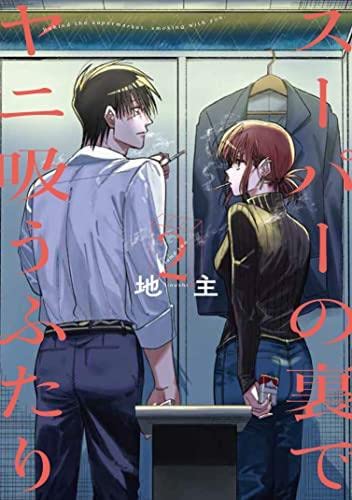
“Smoking Behind the Supermarket with You” follows Sasaki, a tired office worker, and Yamada/Tayama, a supermarket cashier who switches personas between work and off-hours. Scenes alternate between the checkout counter’s scripted language and relaxed chats at the store’s back-area smoking spot. For learners, it’s a friendly window into retail Japanese (set phrases, confirmations) and adult casual talk that still stays polite—ideal for hearing how people actually cushion requests and navigate distance.
What Japanese culture and workplace customs can you learn?
Focus on service formulas (greetings, confirmations, money-handling) and how they contrast with off-duty casual speech. Track sentence-final particles (ね/よ/かな) and “cushion” openers (もしよろしければ/恐れ入りますが) to soften impact. Notice how speakers confirm, refuse gently, and offer alternatives—key skills for real-life shops and workplace interactions.
-
Register Shift: Counter vs. Off-Duty:
Hear the change from 丁寧形 (です/ます) at the register to casual forms after hours, including particles like ね and よ to manage rapport.
-
Core Service Phrases:
Practice essentials such as simple greetings, amount/receipt lines, and questions like 「レジ袋はご利用ですか」 to sound natural at shops.
-
Softening Requests:
Use cushions like 「もしよろしければ」 and request frames 「~ていただけますか」/「~てもらってもいい?」 to keep tone light but respectful.
-
Gentle Refusals with Alternatives:
Pair a refusal (「本日は難しいです」) with an option (「明日なら可能です」) to preserve relationships.
-
Confirmations & Repeat-Backs:
Confirm details with 「こちらでよろしいですか」 or 「~で合っていますか」 and echo key info to avoid mistakes.
-
Retail Vocabulary in Context:
Learn high-frequency words like レジ, 接客, 休憩, 特売, 値引き, and 喫煙所 through believable scenes.
2) Practical Use Cases: Where You’ll Use This Japanese
Targets: service counters, cashier interactions, small talk with coworkers, soft requests and refusals, confirming details in shops, after-work invitations
Politeness vs. Distance (丁寧度×距離感): Quick Comparison
| Function | Casual | Standard Polite | Formal–Deferential |
|---|---|---|---|
| Request | ちょっと待ってくれる?(ちょっと まって くれる?/chotto matte kureru?) – Could you wait a sec? | 少々お待ちいただけますか。(しょうしょう おまち いただけますか/shōshō omachi itadakemasu ka?) – Could you wait a moment? | 恐れ入りますが、少々お待ちいただけますでしょうか。(おそれいりますが、しょうしょう おまち いただけますでしょうか/osoreirimasu ga, shōshō omachi itadakemasu deshō ka?) – We kindly ask you to wait. |
| Refusal | 今日は無理かも。(きょう は むり かも/kyō wa muri kamo) – I probably can’t today. | 本日は難しいです。(ほんじつ は むずかしい です/honjitsu wa muzukashii desu) – It’s difficult today. | 誠に申し訳ありませんが、本日は対応いたしかねます。(まことに もうしわけ ありませんが、ほんじつ は たいおう いたしかねます/makoto ni mōshiwake arimasen ga, honjitsu wa taiō itashikanemasu) – We regret we cannot accommodate today. |
| Alternative | 代わりに明日ならどう?(かわりに あした なら どう/kawari ni ashita nara dō?) – How about tomorrow instead? | 代替案として、明日でしたら可能です。(だいたいあん として、あした でしたら かのう です/daitai-an to shite, ashita deshitara kanō desu) – As an alternative, tomorrow works. | 代替のご提案で恐縮ですが、明日でしたらご対応可能でございます。(だいたい の ごていあん で きょうしゅく ですが、あした でしたら ごたいおう かのう で ございます/daitai no goteian de kyōshuku desu ga, ashita deshitara gotaiō kanō de gozaimasu) – Alternatively, we can assist tomorrow. |
| Confirmation | これで合ってる?(これで あってる/kore de atteru?) – Is this right? | こちらでよろしいですか。(こちらで よろしい ですか/kochira de yoroshii desu ka?) – Is this okay? | こちらの内容で相違ございませんでしょうか。(こちら の ないよう で そうい ございません でしょうか/kochira no naiyō de sōi gozaimasen deshō ka?) – May I confirm there’s no discrepancy? |
3) Key Everyday Scenes (Paraphrased) with Readings
Scene digest: At the register, the cashier confirms a small add-on politely to keep the line moving.
「レジ袋はご利用ですか?」
Reading: れじぶくろ は ごりよう ですか? (rejibukuro wa goriyō desu ka?)
EN: Would you like a bag?
Scene digest: At the back-area smoking spot, a casual line invites the other person to join without pressure.
「ここなら吸えるよ。」
Reading: ここなら すえる よ。 (koko nara sueru yo.)
EN: You can smoke here.
Scene digest: After work, a soft invitation tests interest while keeping an easy out.
「もしよかったら、少し歩かない?」
Reading: もし よかったら、すこし あるかない? (moshi yokattara, sukoshi arukanai?)
EN: If you’d like, want to take a short walk?
Scene digest: A gentle but clear refusal maintains goodwill and suggests rescheduling later.
「本日は難しいです。」
Reading: ほんじつ は むずかしい です。 (honjitsu wa muzukashii desu.)
EN: I’m afraid today won’t work.
4) Language Breakdown: Vocabulary, Grammar & Discourse
Vocabulary (with collocations)
| Headword | Reading (kana / romaji) | Meaning | EN | Collocations | Near-synonyms / Register |
|---|---|---|---|---|---|
| レジ | レジ / reji | 会計を行う場所・装置。転じて会計担当者。 | cash register; checkout (by extension, the cashier) | レジに並ぶ/レジ担当/レジ締め | 会計(formal)、精算(formal) |
| 喫煙所 | きつえんじょ / kitsuenjo | 喫煙が許可された場所。 | designated smoking area | 喫煙所へ行く/喫煙所で一服 | 喫煙スペース、喫煙ルーム |
| 常連 | じょうれん / jōren | よく通う客。顔なじみの客。 | regular customer; frequent patron | 常連客/常連さん | 顔なじみ(casual) |
| シフト | シフト / shifuto | 勤務時間の割り当て。 | work shift; staff rota | シフトに入る/シフトを代わる | 勤務表(formal) |
| 店長 | てんちょう / tenchō | 店舗の責任者。 | store manager | 店長に相談する/店長代理 | マネージャー(loan/broad) |
| 接客 | せっきゃく / sekkyaku | 客に応対すること。サービス。 | customer service; serving customers | 接客が丁寧/接客態度/接客業 | 応対(formal) |
| 休憩 | きゅうけい / kyūkei | 仕事の合間に休むこと。 | break; rest period | 休憩に入る/休憩時間/休憩室 | ひと休み(casual) |
| 特売 | とくばい / tokubai | 特別価格で売ること。 | special sale; promotion | 特売日/特売コーナー | セール(loan) |
| 値引き | ねびき / nebiki | 価格を下げること。割引。 | price reduction; discount | 値引きシール/値引き後価格 | 割引(neutral)、プライスダウン(loan) |
| レジ袋 | れじぶくろ / rejibukuro | レジで配る買い物袋。 | plastic shopping bag | レジ袋有料化/レジ袋はご利用ですか | ビニール袋(general)、ポリ袋(general) |
Grammar & Discourse
Light, everyday way to ask permission. Use at shops or with coworkers. Softer with ちょっと or すこし, or by rising intonation.
Example (JP): ここで少し休んでもいいですか。
Reading: ここで すこし やすんでも いい ですか。 (koko de sukoshi yasundemo ii desu ka?)
EN: Is it alright if I take a short break here?
Upgrades a request by honoring the listener. Common at service counters and in emails; add a cushion like 「恐れ入りますが」 for extra politeness.
Example (JP): 袋を分けていただけますか。
Reading: ふくろ を わけて いただけますか。 (fukuro o wakete itadakemasu ka?)
EN: Could you separate the items into different bags?
Soft openers that reduce imposition and invite a yes/no answer without pressure. Great for casual invitations and light favors.
Example (JP): もしよろしければ、少しご一緒しませんか。
Reading: もし よろしければ、すこし ごいっしょ しませんか。 (moshi yoroshikereba, sukoshi goissho shimasen ka?)
EN: If you’d like, would you join me for a bit?
Downshifts certainty to stay modest or gentle. Casual ~かも; polite ~かもしれません.
Example (JP): 今日は行けないかもしれません。
Reading: きょう は いけない かも しれません。 (kyō wa ikenai kamo shiremasen.)
EN: I might not be able to go today.
Use ~なら to propose a workable condition after refusing or hesitating. Pairs well with apologies.
Example (JP): 明日なら大丈夫です。
Reading: あした なら だいじょうぶ です。 (ashita nara daijōbu desu.)
EN: Tomorrow would work for me.
5) Onomatopoeia & Register (Shop/After-Work Flavor)
- モクモク / mokumoku
- ふぅー / fū
- ドキドキ / dokidoki
- ザワザワ / zawazawa
- ガサガサ / gasagasa
- チリン / chirin
- ホッ / ho
6) Summary
Practice real shop-floor Japanese and relaxed after-work small talk. This series models set phrases at the register, softening strategies for requests/refusals, and natural shifts between casual and polite speech.
Quick links to search for the manga on Amazon.
Availability varies by region. Searches open in a new tab.


