Learn Everyday Japanese with “Yotsuba&!” (よつばと!): Casual Speech, Aizuchi & Requests
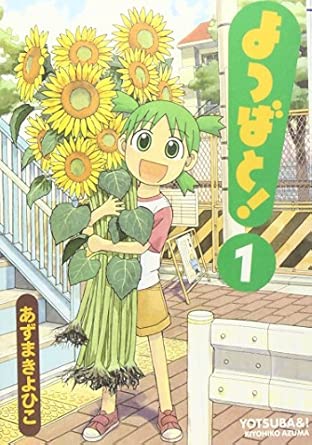
Quick links to search for the manga on Amazon.
Availability varies by region. Searches open in a new tab.
1) Manga Overview: What Is “Yotsuba&!”?
“Yotsuba&!” follows an energetic five-year-old and her dad as they befriend neighbors and discover everyday wonders. Set in ordinary homes, streets, shops, and parks, the series offers clear, natural dialogue that mirrors real life. Because chapters are near one-shot episodes with snappy pacing, learners can read at their own rhythm without getting lost. It’s widely loved for its warmth and humor, and is frequently praised in learner reviews as a great step after the beginner stage.
What Japanese culture and workplace customs can you learn?
Learning focus: daily conversation you can use right away—greetings, invitations, requests, and soft apologies. Notice how kids speak casually while adults shift between casual and standard polite forms. Watch sentence-ending particles (ね/よ), aizuchi (うん、へえ、そうなんだ), and gentle softeners (ちょっと、〜かな) that make speech friendly and natural.
-
Everyday Greetings:
Common phrases like いってきます/いってらっしゃい, おじゃまします, and simple thank-yous and apologies appear in authentic contexts.
-
Sentence-Ending Particles (ね/よ/よね):
Track how speakers seek agreement (ね), give new info or reassurance (よ), and blend both (よね) to manage tone.
-
Friendly Requests:
Learn casual patterns such as 〜てくれる?/〜てもらえる? and how ちょっと softens the ask.
-
Aizuchi & Reactions:
Natural backchannels—うん/へえ/そっか—keep conversations flowing and show engagement.
-
Onomatopoeia in Daily Talk:
Sounds like わくわく・ドキドキ convey feelings vividly and are common in family conversation.
-
Permission & Proposals:
Use 〜てもいい? for permission and 〜ない?/〜ませんか to invite someone politely.
-
Seasonal & Household Vocabulary:
Parks, festivals, fireworks, bicycles—high-frequency words reinforced by visuals aid retention.
2) Practical Use Cases: Where You’ll Use This Japanese
Targets: neighborhood small talk, family conversations, shopping and service counters, inviting friends to hang out, school visits and events, park/playground chats, giving thanks and apologies, asking permission and simple directions
Politeness vs. Distance (丁寧度×距離感): Quick Comparison
| Function | Casual | Standard Polite | Formal–Deferential |
|---|---|---|---|
| Request | 手伝ってくれる? (てつだってくれる? / tetsudatte kureru?) – Could you help? | 手伝ってもらえますか。 (てつだって もらえますか / tetsudatte moraemasu ka) – Could you help, please? | お手数ですが、手伝っていただけますか。 (おてすうですが、てつだって いただけますか / otesū desu ga, tetsudatte itadakemasu ka) – May I ask for your help? |
| Thanks / Apology | ありがとう/ごめんね。 (arigatō / gomen ne) – Thanks / Sorry. | ありがとうございます/すみません。 (arigatō gozaimasu / sumimasen) – Thank you / Excuse me. | 誠にありがとうございます/申し訳ありません。 (makoto ni arigatō gozaimasu / mōshiwake arimasen) – Sincere thanks / I apologize. |
| Confirmation | 〜だよね? (… da yo ne? / … da yo ne?) – Right? | 〜ですね? (… desu ne? / … desu ne?) – Is that correct? | 〜でよろしいでしょうか。 (… de yoroshii deshō ka / … de yoroshii deshō ka) – Would that be acceptable? |
| Invitation / Proposal | いっしょに行こう! (いっしょに いこう! / issho ni ikō!) – Let’s go! | いっしょに行きませんか。 (いっしょに いきませんか / issho ni ikimasen ka) – Would you like to go? | ご一緒しませんか。 (ごいっしょ しませんか / go-issho shimasen ka) – May we go together? |
3) Key Daily-Life Scenes (Paraphrased) with Readings
Scene digest: At a neighbor’s doorway, a friendly visit begins and the speaker shows respect entering a home.
「おじゃまします。」
Reading: おじゃまします。 (ojama shimasu.)
EN: Excuse me for intruding.
Scene digest: Leaving home for a quick errand; family exchange set greetings.
「いってきます!」
Reading: いってきます! (ittekimasu!)
EN: I’m heading out!
Scene digest: At a small shop, the speaker chooses an item politely.
「これください。」
Reading: これ ください。 (kore kudasai.)
EN: This one, please.
Scene digest: Checking on a friend who stumbled at the park.
「だいじょうぶ?」
Reading: だいじょうぶ? (daijōbu?)
EN: Are you okay?
4) Language Breakdown: Vocabulary, Grammar & Discourse
Vocabulary (with collocations)
| Headword | Reading (kana / romaji) | Meaning | EN | Collocations | Near-synonyms / Register |
|---|---|---|---|---|---|
| 挨拶 | あいさつ / aisatsu | 人と会うとき・別れるときの決まり文句や動作 | greeting; salutation | 挨拶をする/朝の挨拶/近所に挨拶 | お礼(thanks; related politeness)、礼儀(manners) |
| 近所 | きんじょ / kinjo | 自分の家の近くの地域 | neighborhood; nearby area | 近所の人/近所の公園 | 周辺(around, vicinity)、ご近所(polite) |
| 買い物 | かいもの / kaimono | 品物を買うこと | shopping | 買い物に行く/買い物リスト | ショッピング(loanword, casual) |
| 自転車 | じてんしゃ / jitensha | 二輪でこぐ乗り物 | bicycle | 自転車に乗る/補助輪を外す | チャリ(slang) |
| 片付け | かたづけ / katazuke | 散らかった物を整えること | tidying up; cleanup | 片付けをする/おもちゃを片付ける | 整理(organizing)、掃除(cleaning) |
| 花火 | はなび / hanabi | 火薬で光・音を楽しむ遊びや行事 | fireworks | 花火を見る/打ち上げ花火 | 線香花火(sparkler) |
| 祭り | まつり / matsuri | 地域の行事・お祝い | festival | 夏祭りに行く/神社の祭り | イベント(event, general) |
| 宿題 | しゅくだい / shukudai | 学校から出される家庭学習 | homework | 宿題をする/やる/宿題を手伝う | 課題(assignment) |
| 公園 | こうえん / kōen | 市民のための遊び・休憩の場所 | park | 公園で遊ぶ/ブランコに乗る | 広場(plaza) |
| 手伝う | てつだう / tetsudau | 人の仕事・作業を助ける | to help; to lend a hand | 片付けを手伝う/手伝ってくれる? | 助ける(rescue/help)、支援する(support, formal) |
Grammar & Discourse
Ask for help from someone close using 〜てくれる? or 〜てもらえる?. Add ちょっと to soften. Use rising intonation and friendly eye contact.
Example (JP): これ、手伝ってくれる?
Reading: これ、てつだってくれる? (kore, tetsudatte kureru?)
EN: Could you help me with this?
Use 〜てもいい? to ask if something is okay. It’s softer than 〜していい? and fits family/friends. For shops, switch to 〜てもいいですか。
Example (JP): ここに座ってもいい?
Reading: ここに すわっても いい? (koko ni suwatte mo ii?)
EN: Is it okay if I sit here?
ね seeks agreement; よ gives new info or reassurance; よね blends both. These appear constantly in friendly talk.
Example (JP): あついね。もう帰ろうよ。
Reading: あついね。もう かえろうよ。 (atsui ne. mō kaerō yo.)
EN: It’s hot, isn’t it? Let’s head home.
Children and adults use soft hedges to sound tentative or thoughtful: 〜かな (I wonder) and 〜かも (maybe). Combine with あとで/たぶん for nuance.
Example (JP): 雨かも。傘もって行こうかな。
Reading: あめ かも。かさ もって いこう かな。 (ame kamo. kasa motte ikō kana.)
EN: Might rain. Maybe I’ll bring an umbrella.
Short responses like うん/へえ/そっか show you’re listening and keep rhythm. Match intonation to emotion; avoid overusing うん in formal settings.
Example (JP): A: きょう、公園に行ったよ。 B: へえ、たのしかった?
Reading: A: きょう、こうえんに いったよ。 B: へえ、たのしかった? (A: kyō, kōen ni itta yo. B: hee, tanoshikatta?)
EN: A: I went to the park today. B: Oh yeah? Did you have fun?
5) Onomatopoeia & Register (Home/Neighborhood Flavor)
- わくわく / wakuwaku
- ドキドキ / dokidoki
- にこにこ / nikoniko
- ぐっすり / gussuri
- バタバタ / batabata
- ぽかぽか / pokapoka
6) Summary
Short, mostly self-contained chapters full of everyday conversation make this a quick, friendly read. Many learner reviews rate it “ideal after finishing the beginner level,” and it’s excellent for building natural casual speech and polite basics.
Quick links to search for the manga on Amazon.
Availability varies by region. Searches open in a new tab.


