Learn Dark Action Japanese with “Wild Strawberry” (ワイルドストロベリー): Battle Commands, Emergency Talk & Emotional Promises
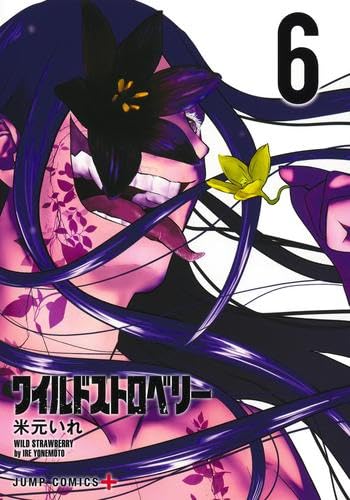
Quick links to search for the manga on Amazon.
Availability varies by region. Searches open in a new tab.
1) Manga Overview: What Is “Wild Strawberry”?
Wild Strawberry (ワイルドストロベリー) is a dark action–horror manga set in a near‑future Tokyo overrun by parasitic plants called Jinka that bloom out of human bodies. Orphans Kingo and Kayano dream of becoming a real family, but when Kayano’s hidden Jinka is discovered, Kingo is forced to fight alongside the Flower Funeral Force, a special unit that hunts these human–plant hybrids. The series mixes lush plant imagery with body horror and high‑speed battles, giving it a strong visual impact and a rising international profile. Thanks to simultaneous English releases on MANGA Plus and VIZ, plus European editions in German, French and Italian, this new “plants × body‑horror” dark action title is quickly gaining attention overseas.
What Japanese culture and workplace customs can you learn?
For learners, Wild Strawberry offers natural shōnen Japanese with a clear contrast between soft family talk, rough battlefield speech and more formal language inside the squad. You can study how characters issue urgent commands, warn civilians and negotiate with superiors while still revealing emotion. The vocabulary around infection, risk and special forces is useful for understanding emergency news or other apocalyptic stories, and the frequent inner monologue lines are great for shadowing determination and self‑talk patterns in Japanese.
-
Emergency Warnings & Battle Commands:
Squad members shout short, sharp orders like 「下がってろ」 or 「逃げろ」 that model how imperatives, ~ろ/~な and ~てくれ work in real‑time action. Learners can pick up patterns for telling people to move, stop, attack or retreat under pressure.
-
Family Vows and Emotional Promises:
Kingo’s determination to save Kayano gives many examples of phrases of resolve such as 「絶対に守る」, 「諦めない」 and 「必ず人間に戻してやる」. These are perfect templates for expressing promises, resolve and strong feelings without sounding unnatural.
-
Squad Hierarchy, Titles and Orders:
The Flower Funeral Force (特殊花葬隊) is full of ranks and titles like 「隊長」, 「隊員」 and 「本部」. Dialogues show how subordinates soften commands into requests, how they report information, and how authority is expressed in semi‑military but still casual Japanese.
-
Talking About Infection, Risk and Abnormality:
Because Jinka parasitize humans, the story repeats words such as 「感染」, 「寄生」, 「異常」 and 「ワクチン」 in different contexts. This helps you learn how Japanese speakers describe danger, symptoms, and uncertainty with patterns like ~かもしれない and ~の可能性がある.
-
Switching Between Casual and Work‑Mode Speech:
Characters who joke and speak roughly with friends often switch to more controlled, semi‑polite language when reporting to superiors or talking to civilians. Watching these switches trains your ear to choose between ~だ/~です, sentence‑ending ~だろ/~でしょう, and different levels of softening.
-
Horror Atmosphere and Onomatopoeia:
The manga uses sound effects for heartbeats, creaking plant growth and splattering attacks. Learning onomatopoeia like ドキドキ, ザワザワ or メキメキ helps you feel how Japanese uses sound symbolism to build tension and mood, especially in horror and dark action scenes.
2) Practical Use Cases: Where You’ll Use This Japanese
Targets: reading dark fantasy and horror shōnen manga, following emergency announcements and warnings, expressing determination and promises to friends, role‑playing survival scenarios in Japanese, understanding battle scenes in anime and games, expanding vocabulary for danger, risk and infection.
Politeness vs. Distance (丁寧度×距離感): Survival Phrases in a Crisis
| Function | Casual (friends / squad mates) | Standard Polite (civilians / light distance) | Formal / Deferential (superiors / VIPs) |
|---|---|---|---|
| Requesting Help | 手伝ってくれ。 てつだってくれ。 Help me. |
手伝ってください。 てつだってください。 Please help. |
お手伝いいただけますか。 おてつだい いただけますか。 Could I ask for your assistance? |
| Warning / Telling Someone to Move | 逃げろ! にげろ! Run! |
危ないので、下がってください。 あぶないので、さがってください。 It’s dangerous, please step back. |
ご危険ですので、お下がりいただけますか。 ごきけんですので、おさがりいただけますか。 It is dangerous here; would you please move back? |
| Vowing to Protect | 必ず守るから。 かならず まもるから。 I’ll definitely protect you. |
必ず守りますから。 かならず まもりますから。 I promise I will protect you. |
必ずお守りいたします。 かならず おまもりいたします。 I will make absolutely sure you are protected. |
| Refusing to Abandon Someone | 置いていけるわけないだろ。 おいていける わけ ないだろ。 There’s no way I’m leaving you. |
置いていくわけにはいきません。 おいていく わけには いきません。 I can’t just leave you behind. |
お一人をお残しするわけにはまいりません。 おひとりを おのこしする わけには まいりません。 I cannot possibly leave you here alone. |
3) Key Survival Scenes (Paraphrased) with Readings for Shadowing
Scene digest: In a quiet moment before the next mission, Kingo swears he will return Kayano to her human form, even if it means fighting the Jinka and the Flower Funeral Force itself.
「絶対に俺が人間に戻してやる。」
Reading: ぜったいに おれ が にんげん に もどして やる。 (zettai ni ore ga ningen ni modoshite yaru.)
EN: I swear I’ll be the one to turn you back into a human.
Scene digest: During a sudden Jinka attack in the streets, a squad member shouts at nearby civilians, mixing rough imperatives with clear keywords so people understand immediately.
「下がってろ、市民はここから離れろ!」
Reading: さがってろ、しみん は ここ から はなれろ! (sagatte ro, shimin wa koko kara hanarero!)
EN: Stay back—civilians, get away from here!
Scene digest: At headquarters, Kingo pleads with a superior officer to trust him one more time, using a polite but emotional request instead of his usual rough speech.
「もう一度だけチャンスをください。」
Reading: もういちど だけ チャンス を ください。 (mō ichido dake chansu o kudasai.)
EN: Please give me just one more chance.
4) Language Breakdown: Vocabulary, Grammar & Discourse
Vocabulary (with collocations)
| Headword | Reading (kana / romaji) | Meaning | EN | Collocations | Near-synonyms / Register |
|---|---|---|---|---|---|
| 人花 | じんか / jinka | 人間を寄生・変異させる植物状の怪物 | plantlike parasite that turns humans into monsters | 人花に感染する/人花を駆除する/人花に寄生される | 怪物(general ‘monster’)、寄生体(technical ‘parasitic organism’) |
| 特殊花葬隊 | とくしゅかそうたい / tokushu kasō-tai | 人花の討伐や処理を任務とする特殊部隊 | special task force in charge of eliminating Jinka | 特殊花葬隊に入隊する/特殊花葬隊本部/特殊花葬隊員として戦う | 特殊部隊(general ‘special forces’) |
| 感染 | かんせん / kansen | 病原体などが体内に入り増えること | infection; being contaminated by a pathogen or parasite | ウイルスに感染する/感染を防ぐ/感染者を隔離する | 伝染(でんせん/spread of disease) |
| 覚悟 | かくご / kakugo | 結果を受け入れる決心 | resolve; readiness to face the consequences | 覚悟を決める/死ぬ覚悟/その覚悟はあるのか | 決心(けっしん/personal decision)、決意(けつい/stronger, formal ‘determination’) |
| 守る | まもる / mamoru | 危険や約束から相手を保護すること | to protect; to keep (a promise) | 家族を守る/約束を守る/命を守る | 防ぐ(ふせぐ/to prevent, fend off)、護る(まもる/more literary ‘to guard’) |
| 生き残る | いきのこる / ikinokoru | 死なずに生存し続けること | to survive; to stay alive | 生き残るために戦う/最後まで生き残る/わずかな人類が生き残る | サバイバルする(casual ‘to survive’)、生存する(せいぞんする/formal ‘to exist, survive’) |
| 異常 | いじょう / ijō | 普通とは違うおかしな状態 | abnormality; something unusual or wrong | 異常事態/センサーが異常を感知する/体調に異常がある | おかしい(casual ‘strange’)、変(へん/odd, weird) |
| 指令 | しれい / shirei | 上の立場から出される正式な命令 | official order or directive, especially from a superior or HQ | 指令を出す/指令に従う/緊急指令 | 命令(めいれい/order, command)、指示(しじ/instruction, directions) |
Grammar & Discourse
This pattern literally means ‘let (someone) do X’ and is common when a character insists on taking action themselves. Casual ~させてくれ sounds strong and emotional between close people or squad mates, while ~させてください is a polite but still passionate request used toward superiors or adults.
Example (JP): 俺にやらせてくれ。
Reading: おれ に やらせてくれ。 (ore ni yarasete kure.)
EN: Let me be the one to do it.
~わけにはいかない expresses that, given the situation, you morally or practically cannot do something. It often appears when Kingo refuses to give up or abandon someone, softening a flat ‘I won’t’ into ‘I just can’t (do that).’ It is useful for strong but reasoned refusals.
Example (JP): ここで諦めるわけにはいかない。
Reading: ここで あきらめる わけには いかない。 (koko de akirameru wake ni wa ikanai.)
EN: I can’t just give up here.
The pattern ~てもいい? literally means ‘is it OK if I do X?’ and becomes more polite as ~てもいいですか. In tense scenes, characters use it to confirm actions with teammates or superiors, softening their request even when they are in a rush.
Example (JP): 少し休んでもいいか。
Reading: すこし やすんでも いいか。 (sukoshi yasundemo ii ka.)
EN: Is it OK if we rest a bit?
~かもしれない marks possibility and uncertainty, like ‘might’ or ‘could’ in English. In Wild Strawberry it often combines with words like 危ない or 感染 to talk about unseen threats, which is great practice for expressing risk without sounding too direct.
Example (JP): この辺りももう危ないかもしれない。
Reading: このあたりも もう あぶない かもしれない。 (kono atari mo mō abunai kamoshirenai.)
EN: This area might already be dangerous too.
5) Onomatopoeia & Mood (Dark Action / Horror Flavor)
- ドキドキ / dokidoki
- ザワザワ / zawazawa
- メキメキ / meki-meki
- グシャッ / gusha
- ビクッ / biku
6) Summary
Wild Strawberry throws you into a plant-based apocalypse where characters shout orders, warn each other and make desperate promises. It is ideal for learning survival Japanese, intense battle commands and emotional lines, while noticing how casual speech shifts when the stakes suddenly rise.
Quick links to search for the manga on Amazon.
Availability varies by region. Searches open in a new tab.


