Learn Survival Japanese with “Re:Zero − Starting Life in Another World” (Re:ゼロから始める異世界生活): Requests, Honorifics, Hedges
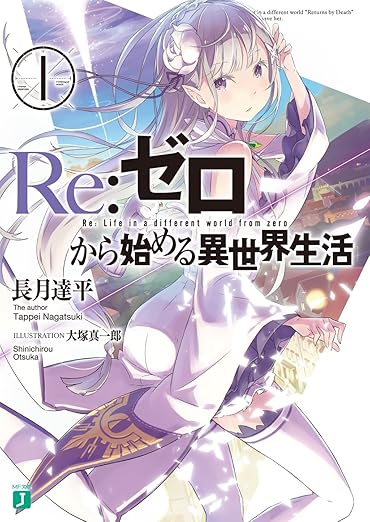
Quick links to search for the manga on Amazon.
Availability varies by region. Searches open in a new tab.
1) Manga Overview: What Is “Re:Zero − Starting Life in Another World”?
Re:Zero follows Subaru Natsuki, an ordinary teen suddenly transported to a new world where he discovers an ability he never asked for—“Return by Death,” a reset that rewinds time after he dies. The story moves between marketplaces, guild counters, aristocratic mansions, and high‑stakes battles, giving learners exposure to everyday casual talk alongside formal, even archaic honorific language. Its tense loops, emotional stakes, and memorable cast keep the motivation high while offering rich examples of how Japanese adjusts to hierarchy, urgency, and persuasion.
What Japanese culture and workplace customs can you learn?
Learning focus: track how characters shift from blunt casuals (〜だ/〜する) to standard polite (〜です/〜ます) and to deferential set phrases with nobles or elders. Notice request strategies (〜てくれる? → 〜てもらえますか → ご協力いただけますでしょうか), apology intensity, and confirmation moves that prevent misunderstandings. Fantasy terms appear, but the core phrases—requests, promises, clarifications—transfer directly to real life.
-
Hierarchy, Titles & Address:
Understand when to use さん/さま/殿(どの) and job or noble titles; mirror the other person’s register to show respect.
-
Requests That Scale Up:
Move from casual asks (〜てくれる?) to polite (〜てもらえますか) and high‑deference forms (〜ていただけますでしょうか).
-
Apologies & Taking Responsibility:
Use ごめん → すみません → 申し訳ございません; pair with impact phrases like ご迷惑をおかけしました to acknowledge trouble.
-
Permission & Self‑Requests:
Say what you want to do with 〜させてください/〜てもよろしいでしょうか to keep agency while staying polite.
-
Promises, Vows, and Conditions:
Learn 約束する, 誓う, and conditional frames (もし〜なら/〜たら) to negotiate outcomes or commit to actions.
-
Hedging & Softening:
Add cushions like 〜ですが, 〜かもしれません, と思います to reduce face‑threat and keep dialogue cooperative.
2) Practical Use Cases: Where You’ll Use This Japanese
Targets: asking for help in emergencies, negotiating at shops or guild counters, apologizing to superiors, requesting permission at gates/checkpoints, confirming instructions before missions, thanking and offering alternatives, bargaining for lodging and supplies
Politeness vs. Distance (丁寧度×距離感): Quick Comparison
| Function | Casual | Standard Polite | Formal‑Deferential |
|---|---|---|---|
| Request | 手伝ってくれる? てつだってくれる? / tetsudatte kureru? Can you help? |
手伝ってもらえますか。 てつだって もらえますか。 / tetsudatte moraemasu ka? Could you help me? |
ご協力いただけますでしょうか。 ごきょうりょく いただけますでしょうか。 / gokyōryoku itadakemasu deshō ka? May we ask for your cooperation? |
| Apology | ごめん/悪いね。 ごめん/わるいね。 / gomen / warui ne. Sorry. |
すみません、ご迷惑をおかけしました。 すみません、ごめいわくを おかけしました。 / sumimasen, gomeiwaku o okake shimashita. I’m sorry for the trouble. |
申し訳ございません。ご迷惑をおかけいたしました。 もうしわけ ございません。ごめいわくを おかけ いたしました。 / mōshiwake gozaimasen. gomeiwaku o okake itashimashita. My sincere apologies. |
| Offer Alternative | 代わりにこれでどう? かわりに これで どう? / kawari ni kore de dō? How about this instead? |
代案としてこちらはいかがですか。 だいあんとして こちらは いかがですか。 / daian to shite kochira wa ikaga desu ka? As an alternative, how about this? |
差し支えなければ、別案をご提案させていただければと存じます。 さしつかえ なければ、 べつあんを ごていあん させて いただければと ぞんじます。 / sashitsukae nakereba, betsu‑an o goteian sasete itadakereba to zonjimasu. If acceptable, may I propose another plan? |
| Confirmation | つまり、こういうこと? つまり、こういうこと? / tsumari, kō iu koto? So it’s like this? |
念のため、こういう理解で合っていますか。 ねんのため、こういう りかいで あっていますか。 / nen no tame, kō iu rikai de atte imasu ka? Just to confirm, is this correct? |
念のため、私の理解で相違ございませんでしょうか。 ねんのため、わたしの りかいで そうい ございませんでしょうか。 / nen no tame, watashi no rikai de sōi gozaimasen deshō ka? To confirm, is my understanding correct? |
3) Key Scenes (Paraphrased) with Readings—Requests, Apologies, and Confirmations
Scene digest: In a sudden crisis, the protagonist calls for help from bystanders to avoid danger.
「助けてください!」
Reading: たすけて ください! (tasukete kudasai!)
EN: Please help me!
Scene digest: At a guild counter, he makes a polite request before asking for information.
「お願いがあるんですが。」
Reading: おねがいが あるんですが。 (onegai ga arun desu ga.)
EN: I have a favor to ask.
Scene digest: After causing trouble at the mansion, he apologizes to staff and takes responsibility.
「ご迷惑をおかけしてすみません。」
Reading: ごめいわくを おかけして すみません。 (gomeiwaku o okake shite sumimasen.)
EN: I’m sorry for causing trouble.
Scene digest: Before trying a risky plan, he asks for permission from a superior.
「試させてください。」
Reading: ためさせて ください。 (tamesasete kudasai.)
EN: Please let me try it.
4) Language Breakdown: Vocabulary, Grammar & Discourse
Vocabulary (with collocations)
| Headword | Reading (kana / romaji) | Meaning | EN | Collocations | Near-synonyms / Register |
|---|---|---|---|---|---|
| 依頼 | いらい / irai | 用事や仕事を他者に頼むこと | a request or commission | 依頼を受ける/依頼を断る/依頼主 | お願い(casual)、要請(formal) |
| 協力 | きょうりょく / kyōryoku | 力を合わせて物事にあたること | cooperation; support | ご協力をお願いする/協力者 | 支援(support)、助力(formal/literary) |
| 契約 | けいやく / keiyaku | 当事者間で交わす取り決め | contract; pact | 契約を結ぶ/契約違反/契約書 | 盟約(archaic)、取り決め(neutral) |
| 約束 | やくそく / yakusoku | 将来の行為などを取り決めること | promise; commitment | 約束を守る/約束を破る | 誓い(vow)、誓約(formal) |
| お詫び | おわび / owabi | あやまること(丁寧) | apology (polite) | お詫び申し上げます/お詫びの品 | 謝罪(formal)、失礼(minor offense) |
| 覚悟 | かくご / kakugo | 結果を受け入れる心の準備 | resolve; readiness | 覚悟を決める/覚悟がある | 決意(determination)、意志(will) |
| 加護 | かご / kago | 神仏などの守り・保護 | divine protection; blessing | 加護を受ける/女神の加護 | 守護(protection)、祝福(blessing) |
| 試練 | しれん / shiren | 能力や信念が試される困難 | ordeal; trial | 試練に挑む/試練を乗り越える | 苦難(hardship)、難関(tough challenge) |
| 証拠 | しょうこ / shōko | 事実を示すよりどころ | evidence; proof | 証拠を示す/決定的証拠 | 根拠(basis) |
| 命がけ | いのちがけ / inochigake | 命を失う覚悟で物事に当たること | at the risk of one’s life | 命がけで守る/命がけの戦い | 死闘(fight to the death)、必死(desperate) |
Grammar & Discourse
Highly polite request that elevates the listener and lowers the speaker. Use with verbs in て‑form; add でしょうか for extra softness.
Example (JP): もう少し詳しく教えていただけますでしょうか。
Reading: もうすこし くわしく おしえて いただけますでしょうか。 (mō sukoshi kuwashiku oshiete itadakemasu deshō ka?)
EN: Might you tell me a bit more in detail?
Ask permission to perform an action yourself. Formed with the causative 〜させる + ください. Softer than blunt 自分が〜する.
Example (JP): 危険ですが、試させてください。
Reading: きけん ですが、ためさせて ください。 (kiken desu ga, tamesasete kudasai.)
EN: It’s risky, but please let me try.
Seeking permission. Casual 〜てもいい?; polite 〜てもいいですか; very formal 〜てもよろしいでしょうか.
Example (JP): ここで休んでもよろしいでしょうか。
Reading: ここで やすんでも よろしいでしょうか。 (koko de yasunde mo yoroshii deshō ka?)
EN: May I rest here?
Soft denial or clarification; denies an absolute interpretation without rejecting everything.
Example (JP): 助けたからといって、味方というわけじゃない。
Reading: たすけた からといって、 みかた という わけじゃない。 (tasuketa kara to itte, mikata to iu wake ja nai.)
EN: Just because I saved you doesn’t mean I’m on your side.
Reduce certainty to be tactful or realistic. Combine with reasons using ので/から.
Example (JP): 明日には解決するかもしれません。
Reading: あした には かいけつ する かもしれません。 (ashita ni wa kaiketsu suru kamoshiremasen.)
EN: It might be resolved by tomorrow.
5) Onomatopoeia & Register (Fantasy/Action Flavor)
- ドキドキ / dokidoki
- ザワザワ / zawazawa
- ズシン / zushin
- ギリギリ / girigiri
- ガンッ / gan
- シーン / shīn
6) Summary
This series is perfect for practicing survival Japanese in a fantasy setting: asking for help, making polite requests, apologizing for trouble, and switching between casual speech and deferential forms used with nobles or superiors. Watch how characters soften statements with cushions like 〜ですが and 〜かもしれません, and how titles and honorifics shape relationships.
Quick links to search for the manga on Amazon.
Availability varies by region. Searches open in a new tab.


