Learn Fantasy Japanese with “The Eminence in Shadow” (陰の実力者になりたくて!): Register Shifts & Commands
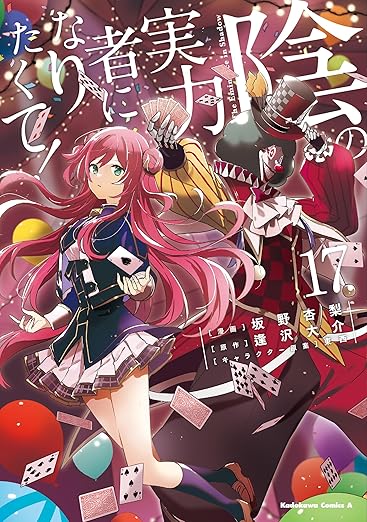
Quick links to search for the manga on Amazon.
Availability varies by region. Searches open in a new tab.
1) Manga Overview: What Is “The Eminence in Shadow”?
The Eminence in Shadow follows Cid, a boy reborn into a fantasy world who loves playing the mastermind in the shadows. The manga balances school life, guild missions, and royal intrigue with over-the-top “chūnibyō” flair, giving learners clear exposure to everyday casual speech alongside grand, theatrical lines. Because it runs in a seinen magazine, dialogue ranges from teen banter to dignified titles and formalities, making it a fun sandbox for noticing how register changes with context.
What Japanese culture and workplace customs can you learn?
Learning focus: notice how characters shift from casual to polite or ceremonial speech depending on audience and stakes. Track command styles (~て/~てくれ、~しろ、~せよ) and how hedges (~かも, っぽい) or evasions keep secrets. Watch title/address terms (~様, 先輩, 殿) and mission words (作戦, 任務) to follow the plot and practice reusable patterns.
-
Titles & Address:
Practice honorifics and titles like ~様, 殿, 先輩 and when to drop them among friends vs. nobles or commanders.
-
Command Styles:
Compare casual imperatives (行け/下がれ), polite directives (下がってください), and grand orders (撤退せよ) used in mission scenes.
-
Hedges & Secrecy:
Soften claims with ~かもしれない/っぽい and dodge questions with ちょっと用があって… to maintain a secret identity.
-
Strategy Words:
Core mission vocabulary—作戦, 任務, 配下, 結界, 魔力—appears repeatedly; build collocations like 作戦を立てる/結界を張る.
-
Chūnibyō Register:
Recognize theatrical phrasing (我が名は…, ~である) and learn when it’s playful vs. serious in Japanese.
-
Reaction & Backchannels:
Pick up short, high-frequency responses (まじで?/なるほど/了解) to sound natural in fast action scenes.
2) Practical Use Cases: Where You’ll Use This Japanese
Targets: anime/game roleplay lines, fantasy RPG party chat, club activities and skits, casual banter with friends, streaming commentary, story writing prompts.
Politeness vs. Distance (丁寧度×距離感): Quick Comparison
| Function | Casual | Standard Polite | Formal–Deferential |
|---|---|---|---|
| Request | 手伝ってくれない? てつだって くれない? / tetsudatte kurenai? Help me? |
手伝ってもらえますか。 てつだって もらえますか / tetsudatte moraemasu ka Could you help? |
ご協力いただけますでしょうか。 ごきょうりょく いただけます でしょうか / gokyōryoku itadakemasu deshō ka Might we request your cooperation? |
| Command/Order | 下がれ!/動け! さがれ / うごけ / sagare, ugoke Fall back!/Move! |
下がってください。 さがって ください / sagatte kudasai Please step back. |
退避願います。 たいひ ねがいます / taihi negaimasu Your immediate retreat is requested. |
| Evasion/Refusal | 今はムリ。 いま は むり / ima wa muri Can’t now. |
今は難しいです。 いま は むずかしい です / ima wa muzukashii desu It’s difficult right now. |
恐れ入りますが、今は難しいかと存じます。 おそれいります が、いま は むずかしい かと ぞんじます / osoreirimasu ga, ima wa muzukashii ka to zonjimasu Regretfully, that may be difficult at present. |
| Declaration | 任せろ。 まかせろ / makasero Leave it to me. |
私がやります。 わたし が やります / watashi ga yarimasu I’ll handle it. |
私が担当いたします。 わたし が たんとう いたします / watashi ga tantō itashimasu I will be in charge. |
3) Key Scenes (Paraphrased) with Readings You Can Imitate
Scene digest: The protagonist adopts his shadow persona to project gravitas and control the mood.
「我が名はシャドウ。」
Reading: わが な は しゃどう。 (waga na wa shadō.)
EN: My name is Shadow.
Scene digest: A team mobilizes; a short, punchy order kicks off a plan.
「作戦開始だ。」
Reading: さくせん かいし だ。 (sakusen kaishi da.)
EN: Operation, begin.
Scene digest: To hide his identity, he exits with a soft, vague excuse.
「ちょっと用がある。」
Reading: ちょっと よう が ある。 (chotto yō ga aru.)
EN: I’ve got something to take care of.
Scene digest: After a scuffle, he checks on an ally using simple, high-frequency language.
「大丈夫か?」
Reading: だいじょうぶ か? (daijōbu ka?)
EN: You okay?
4) Language Breakdown: Vocabulary, Grammar & Discourse
Vocabulary (with collocations)
| Headword | Reading (kana / romaji) | Meaning | EN | Collocations | Near-synonyms / Register |
|---|---|---|---|---|---|
| 作戦 | さくせん / sakusen | 目的達成のための具体的な計画・戦術。 | operation; strategy plan. | 作戦を立てる/作戦開始/作戦名~ | 計画(neutral)、戦術(tactics) |
| 魔力 | まりょく / maryoku | 魔法を使う源となる力。 | mana; magical energy. | 魔力を込める/魔力を消費する/魔力が尽きる | マナ(loanword)、霊力(spiritual power) |
| 結界 | けっかい / kekkai | 侵入や影響を防ぐための見えない境界・防御。 | barrier; ward. | 結界を張る/結界を破る/結界内 | 防護壁(protective wall) |
| 暗躍 | あんやく / anyaku | 人目につかないところで活動・工作すること。 | operate behind the scenes; clandestine maneuvering. | 背後で暗躍する/組織が暗躍 | 画策(scheming) |
| 配下 | はいか / haika | 指揮・支配下にある者。 | subordinate; underling. | 配下に置く/配下を率いる | 部下(workplace neutral)、手下(pejorative) |
| 秘密結社 | ひみつけっしゃ / himitsu kessha | 秘密裏に活動する組織。 | secret society. | 秘密結社の陰謀/秘密結社を壊滅する | 組織(organization)、カルト(cult) |
| 先輩 | せんぱい / senpai | 同じ集団で自分より先に所属した人。 | senior (at school/work/club). | 先輩に相談する/先輩風を吹かす | 上級生(school) |
| 覚醒 | かくせい / kakusei | 眠っていた能力などが目覚めること。 | awakening (of power). | 能力が覚醒する/覚醒状態 | 発現(manifestation)、目覚め(general) |
| 余裕 | よゆう / yoyū | 慌てずに対応できる心や時間のゆとり。 | composure; leeway. | 余裕の笑み/余裕がある/余裕しゃくしゃく | 落ち着き(calmness) |
| 依頼 | いらい / irai | 人に物事を頼むこと。または頼まれた用件。 | request; commission (job/quest). | 依頼を受ける/依頼主/依頼内容 | ミッション(loan)、注文(commercial) |
| 任務 | にんむ / ninmu | 与えられた務め。使命としての仕事。 | mission; assigned duty. | 任務を遂行する/任務失敗 | 使命(sense of duty)、ミッション(loan) |
| 真相 | しんそう / shinsō | 物事の本当のありさま。 | the truth; real story behind something. | 真相を突き止める/真相解明 | 実態(actual state)、実情(real situation) |
Grammar & Discourse
Archaic/formal imperative used in proclamations or military-style orders. In everyday talk, it sounds theatrical—perfect for dramatic effect but avoid in normal conversations.
Example (JP): 撤退せよ!
Reading: てったい せよ! (tettai seyo!)
EN: Retreat!
Softens assertions to show uncertainty; useful for speculation during missions or when you lack proof.
Example (JP): 敵が近くにいるかもしれない。
Reading: てき が ちかく に いる かもしれない。 (teki ga chikaku ni iru kamoshirenai.)
EN: The enemy might be nearby.
Describes a chosen role/backstory—handy for roleplay or keeping a cover. 「Nという設定で+行動」 means “act under the setup that N is true.”
Example (JP): 今日はただのモブという設定で行く。
Reading: きょう は ただの モブ という せってい で いく。 (kyō wa tada no mobu to iu settei de iku.)
EN: I’ll go in under the ‘just a mob’ act today.
Marks deliberate pretence. Often used to hide power/intentions.
Example (JP): 弱いふりをする。
Reading: よわい ふり を する。 (yowai furi o suru.)
EN: Pretend to be weak.
Shows preparatory action useful in strategy scenes.
Example (JP): 退路を確保しておいた。
Reading: たいろ を かくほ して おいた。 (tairo o kakuho shite oita.)
EN: I secured a retreat route beforehand.
5) Onomatopoeia & Register (Fantasy/Action Flavor)
- ゴゴゴ… / gogogo
- ザッ / za
- ドン / don
- ヒュッ / hyu
- スッ / su
- ニヤリ / niyari
- ズバッ / zubatto
6) Summary
Great for practicing dramatic-but-natural Japanese: switch between school talk, faux-archaic declarations, and polite requests. Learn compact command forms, hedges, and set phrases you can reuse in games, cosplay, and casual banter.
Quick links to search for the manga on Amazon.
Availability varies by region. Searches open in a new tab.


