Learn Polite & Servant-Style Japanese with “Shadows House” (シャドーハウス): Keigo, Requests & House Rules
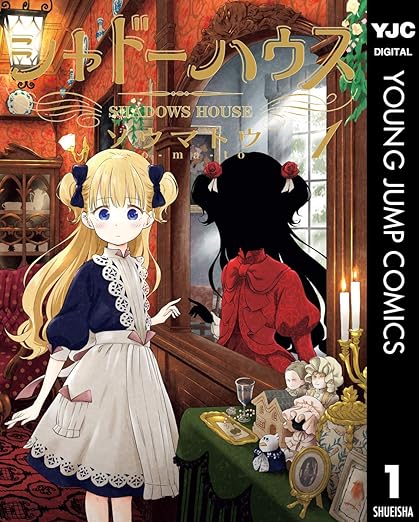
Quick links to search for the manga on Amazon.
A subscription is required, but you can start a Free Trial here。
Availability varies by region. Searches open in a new tab.
1) Manga Overview: What Is “Shadows House”?
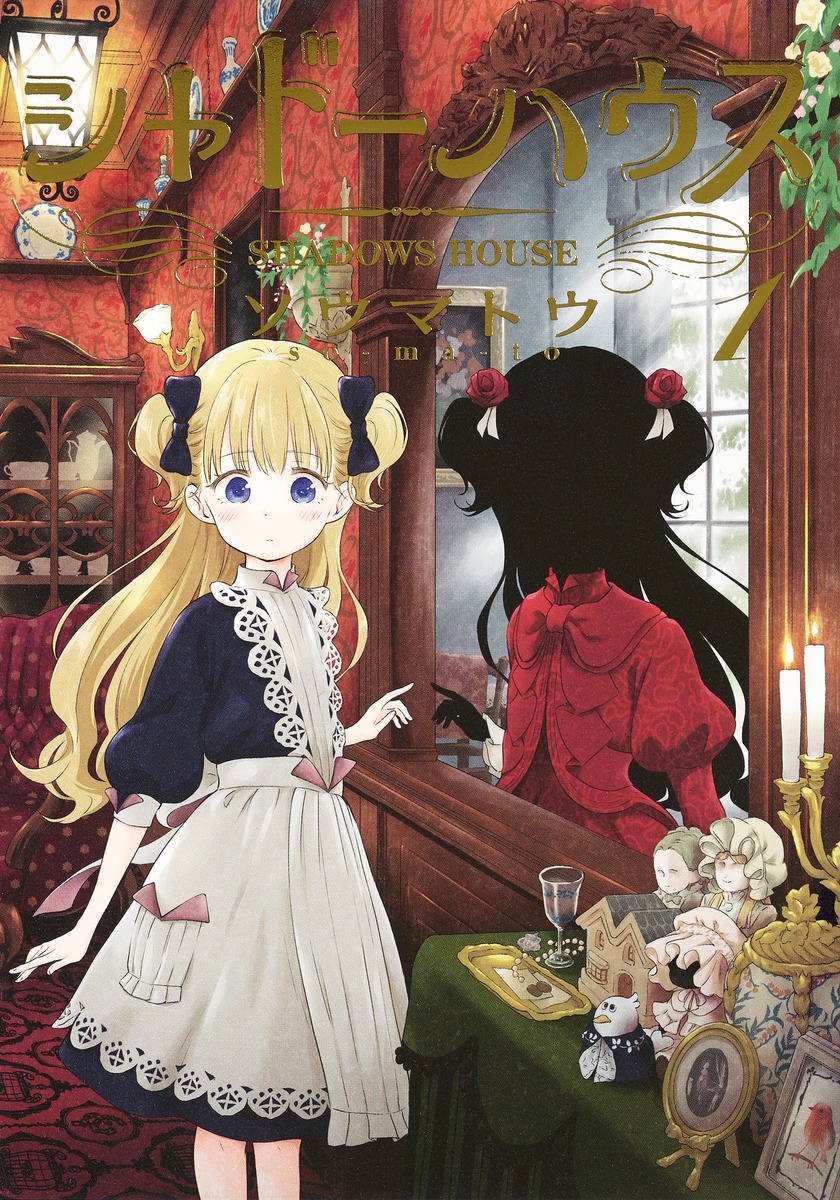
Shadows House (シャドーハウス) is a gothic mystery-fantasy set in a secluded mansion where faceless “Shadows” live like aristocrats while their “Living Dolls” serve as attendants and literal “faces.” Because characters must constantly mind rules, status, and etiquette, the dialogue gives Japanese learners a steady stream of practical polite expressions—especially for requests, confirmations, apologies, and reporting what someone said. The bright, earnest protagonist (a doll-in-training) makes the formal atmosphere feel approachable, so you can study keigo and social nuance without it turning into a textbook.
What Japanese culture and workplace customs can you learn?
Learning focus: Listen for how characters soften speech under pressure: cushion phrases before requests, indirect refusals, and “confirming” language to avoid mistakes. The mansion setting also trains your ear for address terms (〜様) and for switching between neutral narration and more formal spoken lines when speaking to superiors.
-
Titles & Addressing (〜様 / 呼び方):
Notice how 〜様 (けいと様 etc.) signals respect and distance, and how using names vs. roles changes the relationship tone.
-
Entering/Leaving & “Small” Politeness:
Set phrases like 失礼いたします and お先に失礼します appear in many real-life contexts (home visits, offices, classrooms).
-
Soft Requests with Cushion Phrases:
Use 恐れ入りますが/よろしければ to avoid sounding demanding, especially when you need help or time.
-
Permission & Self-Restraint Language:
Patterns like ~てもよろしいでしょうか and ~させていただきます let you ask/act politely while acknowledging hierarchy.
-
Confirmations to Prevent Mistakes:
Frequent “double-check” moves (~でよろしいでしょうか, 〜ということで) teach you how to be careful without being passive.
-
Rules, Instructions, and Indirect Refusals:
Because characters must follow strict procedures, you’ll learn instruction phrasing (~ないように, ~してください) and safer ways to decline (難しそうです, 今回は…).
2) Practical Use Cases: Where You’ll Use This Japanese
Targets: asking permission, making polite requests, entering/exiting rooms, following instructions, apologizing for mistakes, confirming rules and procedures
Politeness vs. Distance (丁寧度×距離感): Quick Comparison
| Function | Casual | Standard Polite (丁寧) | Formal/Deferential (より丁重) |
|---|---|---|---|
| Request |
ちょっと手伝って。
ちょっと てつだって。 chotto tetsudatte. Help me for a sec. |
手伝ってくれますか。
てつだって くれますか。 tetsudatte kuremasu ka? Could you help me? |
恐れ入りますが、お手伝いいただけますでしょうか。
おそれいりますが、おてつだい いただけます でしょうか。 osoreirimasu ga, otetsudai itadakemasu deshō ka? Sorry to trouble you, but might you help me? |
| Refusal |
無理。
むり。 muri. No way. |
すみません、難しいです。
すみません、むずかしいです。 sumimasen, muzukashii desu. Sorry, that’s difficult. |
申し訳ございませんが、今回は控えさせていただきます。
もうしわけ ございませんが、こんかいは ひかえさせて いただきます。 mōshiwake gozaimasen ga, konkai wa hikae-sasete itadakimasu. I’m very sorry, but I’ll refrain this time. |
| Confirmation |
これでいい?
これで いい? kore de ii? Is this fine? |
これでいいですか。
これで いいですか。 kore de ii desu ka? Is this okay? |
こちらでよろしいでしょうか。
こちらで よろしい でしょうか。 kochira de yoroshii deshō ka? Would this be acceptable? |
| Entering / Apology |
入るね。
はいるね。 hairu ne. I’m coming in. |
失礼します。
しつれいします。 shitsurei shimasu. Excuse me. |
失礼いたします。
しつれい いたします。 shitsurei itashimasu. Please excuse me (more formal). |
3) Key Scenes (Paraphrased) to Study: Readings, Politeness, and Intent
Scene digest: An attendant knocks and enters a superior’s room. The pragmatic goal is to show respect and avoid sounding abrupt when starting a conversation.
「失礼いたします、ケイト様。」
Reading: しつれい いたします、けいとさま。 (shitsurei itashimasu, Keito-sama.)
EN: Excuse me, Lady Kate.
Scene digest: A character needs time and asks someone to wait. The goal is to delay without creating friction, using a cushion phrase first.
「恐れ入りますが、少々お待ちください。」
Reading: おそれいりますが、しょうしょう おまちください。 (osoreirimasu ga, shōshō omachi kudasai.)
EN: Sorry to trouble you, but please wait a moment.
Scene digest: Someone receives instructions and confirms compliance. The goal is to show reliability (and reduce the chance of misunderstanding).
「承知しました。指示どおりにいたします。」
Reading: しょうちしました。しじどおりに いたします。 (shōchi shimashita. shiji-dōri ni itashimasu.)
EN: Understood. I’ll do it as instructed.
4) Language Breakdown: Vocabulary, Grammar & Discourse
Vocabulary (with collocations)
| Headword | Reading (kana / romaji) | Meaning | EN | Collocations | Near-synonyms / Register |
|---|---|---|---|---|---|
| 屋敷 | やしき / yashiki | 大きな家・邸宅(やや改まった言い方) | mansion; estate (somewhat formal) | 屋敷に仕える/屋敷の規則/屋敷の奥 | 館(やかた:文語・雰囲気が出る)、家(いえ:一般的) |
| 仕える | つかえる / tsukaeru | 主君・主人のために働く | to serve; to attend to (a master/superior) | 主人に仕える/一生仕える | 奉公する(ほうこうする:やや古風)、働く(はたらく:一般) |
| 世話係 | せわがかり / sewa-gakari | 世話をする担当者 | caretaker; attendant; person in charge of help | 世話係として働く/世話係の仕事 | 係(かかり:役割全般)、担当(たんとう:ややビジネス寄り) |
| お嬢様 | おじょうさま / ojō-sama | 若い女性を敬って呼ぶ言い方 | young lady; miss (respectful) | お嬢様にお仕えする/お嬢様のお部屋 | 〜さん(中立)、令嬢(れいじょう:文章語・やや硬い) |
| 命令 | めいれい / meirei | 上の立場からの強い指示 | order; command (strong) | 命令に従う/命令を下す/命令口調 | 指示(しじ:より中立)、お願い(おねがい:依頼で柔らかい) |
| 規則 | きそく / kisoku | 守るべき決まり | rule; regulation | 規則を守る/規則に反する/厳しい規則 | ルール(外来語・カジュアル)、決まり(きまり:日常的) |
| 秘密 | ひみつ / himitsu | 他人に知られたくないこと | secret | 秘密を隠す/秘密を守る/秘密がばれる | 内緒(ないしょ:より口語)、機密(きみつ:公的・硬い) |
| 煤 | すす / susu | 燃えた後に残る黒い粉 | soot | 煤を払う/煤だらけ/煤が舞う | ほこり(一般的な“dust”) |
| 影 | かげ / kage | 光がさえぎられてできる暗い部分 | shadow; shade | 影が伸びる/影に隠れる | シャドー(外来語・スポーツ等で) |
| 正体 | しょうたい / shōtai | 本当の姿・身分 | true identity; real nature | 正体を明かす/正体が分かる/正体不明 | 本性(ほんしょう:性格・本質寄り)、素性(すじょう:経歴・出自寄り) |
Grammar & Discourse
Meaning: “May I…?” in a careful, non-pushy way. Good when asking a superior or when the situation has strict rules.
Tip: If you want to sound even softer, add 恐れ入りますが before it.
Example (JP): 入ってもよろしいでしょうか。
Reading: はいっても よろしい でしょうか。 (haitte mo yoroshii deshō ka?)
EN: May I come in?
Meaning: “Sorry to trouble you, but…” A high-utility cushion phrase that reduces pressure on the listener.
Common pairings: お願いします/〜ていただけますか/少々お待ちください.
Example (JP): 恐れ入りますが、もう一度お願いいたします。
Reading: おそれいりますが、もういちど おねがい いたします。 (osoreirimasu ga, mō ichido onegai itashimasu.)
EN: Sorry to trouble you, but please do it once more.
Meaning: “I will (humbly) do…” implying respect/permission. Often used when you act in someone else’s space or under rules.
Note: Overusing it can sound stiff; use when stakes or hierarchy are real.
Example (JP): 確認させていただきます。
Reading: かくにん させて いただきます。 (kakunin sasete itadakimasu.)
EN: Let me confirm (if I may).
Meaning: “Would this be acceptable?” Polite confirmation that feels more considerate than 〜でいいですか.
Use it for: names, numbers, procedures, and rule-based tasks.
Example (JP): この手順でよろしいでしょうか。
Reading: この てじゅんで よろしい でしょうか。 (kono tejun de yoroshii deshō ka?)
EN: Is this procedure acceptable?
Meaning: “Please make sure not to…” A common instruction style in rule-heavy environments. Softer than命令口調, but still firm.
Variant: ~ないでください is simpler and more direct.
Example (JP): 遅れないようにしてください。
Reading: おくれないように してください。 (okurenai yō ni shite kudasai.)
EN: Please make sure you’re not late.
5) Onomatopoeia & Atmosphere (Gothic Mansion Flavor)
- もくもく / moku-moku
- ぱたぱた / pata-pata
- こそこそ / koso-koso
- ぞくぞく / zoku-zoku
- しーん / shiin
- きょろきょろ / kyoro-kyoro
6) Summary
This series is great for learning polite, careful Japanese used in hierarchical relationships: how to enter/leave rooms, ask permission, apologize, and follow instructions without sounding blunt. You’ll repeatedly see high-utility set phrases (失礼します, 恐れ入りますが) and verbs that naturally push you into 丁寧語・謙譲語 patterns.
Quick links to search for the manga on Amazon.
A subscription is required, but you can start a Free Trial here。
Availability varies by region. Searches open in a new tab.


