Learn Fantasy Japanese with “Hero Without a Class” (無職の英雄): Guild Requests, Challenges, Strategy Talk
Quick links to search for the manga on Amazon.
A subscription is required, but you can start a Free Trial here。
Availability varies by region. Searches open in a new tab.
1) Manga Overview: What Is “Hero Without a Class: Who Even Needs Skills?!”?
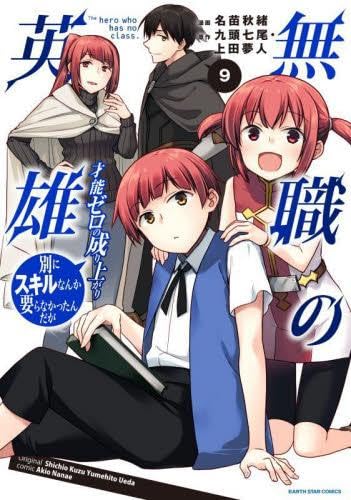
“Hero Without a Class” (無職の英雄 別にスキルなんか要らなかったんだが) follows Arel, a boy branded “classless” in a world where jobs and skills define your fate. The manga (art by Akio Nanae; original by Shichio Kuzu with illustrations by Yumehito Ueda) runs on Comic Earth Star and blends arena battles, guild life, and school-style magic training. For learners, it offers a rich mix of registers: frank teammate banter, respectful language with receptionists and senior fighters, and compact, repeatable lines used in quests and exams.
What Japanese culture and workplace customs can you learn?
Focus on how characters switch between casual and polite forms depending on relationship distance (同級・先輩・受付). Track request templates at counters and during team coordination, plus softening devices before refusals. Battle and tournament scenes also model concise confirmations and acknowledgments that are easy to recycle in real conversations.
-
Titles & Epithets:
Learn how honorific titles and epithets (~様/~殿/《剣姫》など) affect formality and address strategies.
-
Service-Counter Politeness:
Reuse receptionist phrases for checking forms and IDs: ご依頼内容の確認、番号札、順番待ちなど。
-
Softening Requests & Refusals:
Cushion with すみませんが/恐れ入りますが/申し訳ないが and pair refusals with alternatives.
-
Battle/Practice Coordination:
Short, clear imperatives and confirmations (頼む・任せた・了解) vs. polite options (お願いします・確認します).
-
Exam/Promotion Procedures:
Use ~ことになっている for rules and ~次第で to state conditions (結果次第で昇級).
-
Self-Assessment & Modesty:
Downtoners like まだまだだ/たいしたことはないで convey humility even after praise.
2) Practical Use Cases: Where You’ll Use This Japanese
Targets: guild counters, school clubs or teams, event check-ins, practice sessions, mentor check-ins, shopping at markets, competition days
Politeness vs. Distance (丁寧度×距離感): Quick Comparison
| Function | Casual (仲間) | Standard Polite (丁寧) | Formal–Deferential (敬語) |
|---|---|---|---|
| Request | ちょっと手伝ってくれる? reading: ちょっと てつだって くれる? / chotto tetsudatte kureru? |
手伝ってもらえますか。 reading: てつだって もらえますか。 / tetsudatte moraemasu ka? |
ご協力いただけますでしょうか。 reading: ごきょうりょく いただけます でしょうか。 / gokyōryoku itadakemasu deshō ka? |
| Confirmation | OK? いける? reading: おーけー? いける? / ōkē? ikeru? |
大丈夫ですか。確認します。 reading: だいじょうぶ ですか。 かくにん します。 / daijōbu desu ka? kakunin shimasu. |
問題ないかご確認お願いいたします。 reading: もんだい ないか ごかくにん おねがい いたします。 / mondai nai ka gokakunin onegai itashimasu. |
| Refusal (soft) | 今回は無理。 reading: こんかい は むり。 / konkai wa muri. |
すみません、今回は難しいです。 reading: すみません、こんかい は むずかしい です。 / sumimasen, konkai wa muzukashii desu. |
恐れ入りますが、今回は見送らせてください。 reading: おそれいります が、こんかい は みおくらせて ください。 / osoreirimasu ga, konkai wa miokurasete kudasai. |
| Thanks | 助かった、サンキュー。 reading: たすかった、さんきゅー。 / tasukatta, sankyū. |
ありがとうございます。 reading: ありがとうございます。 / arigatō gozaimasu. |
ご助力、誠にありがとうございます。 reading: ごじょりょく、まことに ありがとうございます。 / gojoryoku, makoto ni arigatō gozaimasu. |
3) Key Adventure Scenes (Paraphrased) with Readings
Scene digest: At the guild counter, the receptionist verifies a quest before issuing a pass. Learner goal: polite request/confirmation flow.
「ご依頼内容を確認いたします。」
Reading: ごいらい ないよう を かくにん いたします。 (go-irai naiyō o kakunin itashimasu.)
EN: I’ll confirm the details of your request.
Scene digest: A rival challenges the protagonist in the arena. Learner goal: accept a challenge concisely.
「勝負、受けて立つ。」
Reading: しょうぶ、うけて たつ。 (shōbu, ukete tatsu.)
EN: I accept your challenge.
Scene digest: Asking a senior to supervise training. Learner goal: soften a request to a superior.
「稽古をつけていただけますか。」
Reading: けいこ を つけて いただけますか。 (keiko o tsukete itadakemasu ka?)
EN: Could you coach my practice?
Scene digest: Before entering a dungeon floor, teammates confirm roles. Learner goal: quick confirmation/assignment.
「後衛は任せた。合図で前進だ。」
Reading: こうえい は まかせた。あいず で ぜんしん だ。 (kōei wa makaseta. aizu de zenshin da.)
EN: Back line, I’m counting on you. Move on my signal.
4) Language Breakdown: Vocabulary, Grammar & Discourse
Vocabulary (with collocations)
| Headword | Reading (kana / romaji) | Meaning | EN | Collocations | Near-synonyms / Register |
|---|---|---|---|---|---|
| 無職(クラスなし) | むしょく / mushoku | この作品世界では職業(クラス)が付与されていない状態 | classless status; no assigned job/class | 無職の烙印/無職扱いを受ける | 職なし(casual)、無等級(system term) |
| 英雄 | えいゆう / eiyū | 勇ましく人々に称えられる人物 | hero; celebrated champion | 英雄と呼ばれる/真の英雄 | 勇者(fantasy term) |
| ギルド | ぎるど / girudo | 冒険者などが所属する組織 | guild; adventurers’ association | ギルドに所属する/ギルド戦 | 組合(general) |
| 迷宮 | めいきゅう / meikyū | 地下などに広がる複雑な空間 | labyrinth; dungeon | 迷宮探索/迷宮の最下層 | ダンジョン(loanword) |
| 鍛錬 | たんれん / tanren | 心身や技をきたえること | discipline; hard training | 日々鍛錬する/鍛錬を積む | 修行(serious/ascetic)、稽古(practice) |
| 烙印 | らくいん / rakuin | 不名誉な印・レッテル | stigma; brand | 烙印を押される/烙印を消す | レッテル(label)、汚名(disgrace) |
| 昇級試験 | しょうきゅうしけん / shōkyū shiken | 階級を上げるための試験 | promotion exam; rank-up test | 昇級試験を受ける/合格して昇級する | 進級試験(school) |
| 従魔 | じゅうま / jūma | 契約して従わせる魔物 | tamed/contracted monster | 従魔を従える/従魔契約を結ぶ | 使い魔(familiar)、眷属(elevated) |
| 剣神杯 | けんしんはい / kenshinhai | 剣士たちが競う大会名 | Sword God Cup (tournament) | 剣神杯に出場する/剣神杯を制する | 大会(general) |
| 魔法陣 | まほうじん / mahōjin | 魔術の発動に用いる陣形 | magic circle | 魔法陣を展開する/魔法陣を描く | 結界(barrier) |
| 特訓 | とっくん / tokkun | 集中的な練習 | intensive training; special practice | 個人特訓/合同特訓 | 集中練習(neutral) |
| 最下層 | さいかそう / saikasō | 一番下の階層 | lowest floor; deepest level | 迷宮の最下層へ到達する/最下層の門 | 最深部(area) |
Grammar & Discourse
丁寧な依頼。受付・目上・取引先などに最適。さらに「恐れ入りますが」を添えるとより柔らかい。
Example (JP): 結果をご共有いただけますでしょうか。
Reading: けっか を ごきょうゆう いただけます でしょうか。 (kekka o gokyōyū itadakemasu deshō ka?)
EN: Might you share the results with us?
自分の行為の許可をていねいに求める形。戦術の提案や手続きで使える。
Example (JP): 先に偵察させてください。
Reading: さきに ていさつ させて ください。 (saki ni teisatsu sasete kudasai.)
EN: Please allow me to scout ahead.
相手に動作をお願いする基本型。語尾で丁寧度を調整(~もらえる?〈仲間〉/~もらえますか〈丁寧〉)。
Example (JP): 時間を合わせてもらえますか。
Reading: じかん を あわせて もらえますか。 (jikan o awasete moraemasu ka?)
EN: Could you coordinate the time with me?
ギルドや試験の決まり・既定の予定を述べる。客観的で角が立ちにくい。
Example (JP): 受験には身分証が必要ということになっています。
Reading: じゅけん には みぶんしょう が ひつよう という こと に なっています。 (juken ni wa mibunshō ga hitsuyō to iu koto ni natte imasu.)
EN: It’s stipulated that an ID is required to sit the exam.
否定を弱めてニュアンスを調整。「強くないわけではない」のように部分的な肯定も可能。
Example (JP): 剣が苦手なわけではないが、魔法を優先したい。
Reading: けん が にがて な わけ では ない が、まほう を ゆうせん したい。 (ken ga nigate na wake de wa nai ga, mahō o yūsen shitai.)
EN: It’s not that I’m bad at swordplay; I just want to prioritize magic.
5) Onomatopoeia & Register (Guild/Battle Flavor)
- ドキドキ / dokidoki
- ズシン / zushin
- ズバッ / zubatto
- ギラッ / gira
- ゴゴゴ… / gogogo
- キリッ / kiri
6) Summary
A fantasy world with guild counters, tournaments, and mentors makes this series ideal for practicing requests, confirmations, and soft refusals. You’ll meet casual peer speech, polite service-counter phrases, and respectful lines toward seniors—all wrapped in clear action scenes you can mimic.
Quick links to search for the manga on Amazon.
A subscription is required, but you can start a Free Trial here。
Availability varies by region. Searches open in a new tab.


