Manga Finder
Find learner-friendly manga by keywords, tags, demographic, genre, and difficulty.
-

“Black Cat” (ブラック・キャット)
Shonen Action/Adventure #Action#Crime#Combat#BountyHunting#Organization#Urban#SciFi #CasualSpeech#Requests#Refusals#Commands#Banter#RegisterShift#BattleTalk#SetPhrases
BLACK CAT is a good choice for learning fast, casual Japanese in an action setting. You will hear short commands, blunt refusals, teammate banter, and pragmatic shifts between relaxed conversation and tense combat speech.
-

“Kubo Won’t Let Me Be Invisible” (久保さんは僕を許さない)
Seinen Romance #School#Classroom#AfterSchool#DailyLife#Friendship#Home #CasualSpeech#SmallTalk#Teasing#SoftRequests#SentenceEnders#ListeningComprehension#RomanticSubtext
This gentle school rom-com teaches everyday casual Japanese: teasing, soft requests, and the small response words that signal closeness. It is especially useful for learners who want to hear how affection, embarrassment, and subtext are carried more by tone than by long explanations.
-

“7SEEDS” (7SEEDS)
Shojo Sci-Fi #Survival#PostApocalyptic#Outdoor#Travel#Emergency#GroupDynamics #SurvivalJapanese#Requests#Refusals#Warnings#GroupCoordination#EmergencyPhrases#DescribingConditions#EmotionalSupport
7SEEDS is a strong fit for learners who want practical Japanese in high-pressure settings: short requests, quick decisions, apologies, warnings, and teamwork language. The dialogue also gives you useful everyday phrasing for food, weather, injuries, and group problem-solving.
-
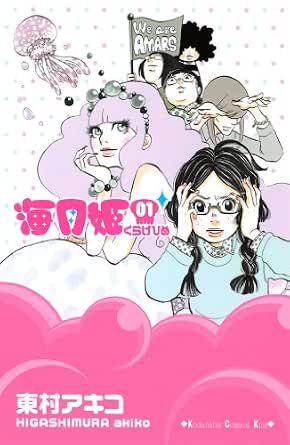
“Princess Jellyfish” (海月姫)
Josei Slice of Life #DailyLife#Apartment#Friendship#Fashion#OtakuCulture#Romance #CasualSpeech#FriendshipTalk#Requests#Refusals#Softening#GenderedRegisters#FashionVocabulary#EmotionalExpression#SocialPragmatics
Princess Jellyfish is a great manga for learning casual, real-life Japanese: room-share banter, soft requests, awkward refusals, and character-specific speech styles. It also gives useful fashion and everyday vocabulary while showing how politeness changes with closeness and social role.
-
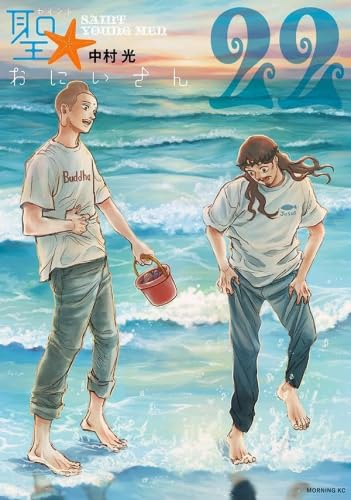
“Saint Young Men” (聖☆おにいさん)
Seinen Comedy #DailyLife#Home#Shopping#ServiceCounter#Neighborhood#Cafes #CasualSpeech#Politeness#Softening#Requests#Refusals#SmallTalk#Humor#CulturalReferences
This manga is best for learning the Japanese of everyday errands, casual roommate banter, and polite public interactions. The jokes depend on tone and register, so you can practice when to stay casual, when to sound polite, and how to soften a request or refusal.
-

“Fushigi Yûgi” (ふしぎ遊戯)
Shojo Fantasy #School#FantasyWorld#Adventure#Friendship#Romance#RoyalCourt #CasualConversation#Requests#Refusals#EmotionalLanguage#SentenceEndings#RelationshipTalk#FantasyVocabulary#Politeness
This manga is best for learning emotionally charged everyday Japanese: asking for help, protesting, promising, and reassuring others. It is especially useful for pragmatics—how speakers soften demands, show urgency, and manage relationships in Japanese. It also gives repeated exposure to fantasy vocabulary about destiny, rituals, allies, and the language of urgent teamwork.
-

“The Rose of Versailles” (ベルサイユのばら)
Shojo Historical #Historical#RoyalCourt#Aristocracy#Military#Revolution#Romance #CourtlySpeech#Keigo#Requests#Refusals#MilitaryCommands#HistoricalVocabulary#EmotionalExpression#Pragmatics
This manga is a strong pick for learning how Japanese changes with rank, emotion, and public pressure. Its court scenes teach polished requests and refusals, while military and revolutionary scenes teach blunt commands and high-frequency historical vocabulary.
-

“Real” (リアル)
Seinen Drama #DailyLife#Sports#Hospital#Rehabilitation#Friendship#School #EverydayJapanese#CasualSpeech#EmotionalExpression#Requests#Refusals#Encouragement#Advice#SportsJapanese#PolitenessShifts
REAL teaches you how Japanese sounds in rehab rooms, team huddles, and tense one-on-one conversations. It is especially useful for learning casual speech, emotional encouragement, soft refusals, and the way people shift into polite language when the situation gets serious.
-

“Dragon Quest: The Adventure of Dai” (ドラゴンクエスト ダイの大冒険)
Shonen Action/Adventure #Adventure#Battlefield#Training#Travel#Royalty#QuestBriefing #BattleTalk#Requests#Encouragement#CasualSpeech#Honorifics#SentenceEnders
This manga is strong practice for short, reusable Japanese: battle commands, request softeners, encouragement, and emotional reactions. It also shows how speakers switch from rough shonen speech to more respectful language around mentors, royals, and officials.
-

“Saint Seiya” (聖闘士星矢)
Shonen Action/Adventure #Training#Tournament#Battle#Mythology#Mentorship #BattleSpeech#Commands#Requests#Refusals#RoughSpeech#Emphasis#Honorifics#MythologyVocabulary#Onomatopoeia
Saint Seiya is a strong pick for learning dramatic battle Japanese: repeated attack names, short commands, and loyalty vows make the language easy to notice in context. You also get a lot of myth vocabulary and a clear contrast between rough peer speech and respectful language toward masters and Athena.
-

“Blood on the Tracks” (血の轍)
Seinen Thriller #Home#Family#School#DailyLife#Outdoors#Neighborhood #ColloquialJapanese#FamilyTalk#Indirectness#EmotionalNuance#TagQuestions#Softening#Apologies#Confirmation#ListeningContext
This manga is great for learning everyday Japanese where emotions are implied rather than stated: vague replies, tag questions (〜でしょ/〜よね), and “cushioning” phrases that soften pressure. You’ll also see how speakers switch politeness when outsiders enter a private situation—useful for real-life school, family, and service interactions.
-

“Ushio and Tora” (うしおととら)
Shonen Action/Adventure #DailyLife#School#ShrineTemple#Countryside#Travel#Supernatural#Battles #CasualSpeech#ShonenSpeech#Commands#Requests#Refusals#Honorifics#OldFashionedJapanese#Onomatopoeia#SentenceParticles
This classic shōnen series is great for learning high-energy casual Japanese: rough requests (~てくれ), strong prohibitions (~するな), and punchy sentence endings (ぞ/ぜ). You’ll also pick up practical “monster/legend” vocabulary (妖怪, 封印, 退治) and learn to recognize old-fashioned fantasy speech patterns used by non-human characters.
-

“Dance Dance Danseur” (ダンス・ダンス・ダンスール)
Seinen Sports #School#DailyLife#PerformingArts#Training#Competition#Family #CasualJapanese#PoliteRequests#Feedback#Apologies#Encouragement#TrainingInstructions#GoalSetting#BodyAndMovementVocab
This manga is a practical bridge between everyday teen Japanese and “coach/teacher” Japanese: how to ask for corrections, accept feedback, and keep motivation during practice. You’ll see frequent softeners (chotto, moshi yokattara), apology-repair moves (sumimasen + alternative), and short directive phrases used in lessons and drills.
-

“Aharen-san Is Indecipherable” (阿波連さんははかれない)
Shonen Comedy #School#Classroom#AfterSchool#DailyLife#Festivals#HomeLife #CasualSpeech#SmallTalk#Invitations#SoftRequests#PolitenessSwitching#ReadingTheAir#ReactionPhrases#FriendshipTalk
This school comedy is great for learning natural, everyday Japanese: casual invitations, quick reaction phrases, and “softening” language that avoids sounding pushy. You’ll also see how speakers adjust distance—both social and linguistic—depending on closeness, awkwardness, and context.
-

“Shadows House” (シャドーハウス)
Seinen Fantasy #GothicMansion#Household#ServantWork#Etiquette#Training#Mystery #Keigo#Honorifics#Requests#Apologies#Instructions#IndirectRefusals#TitlesAndAddressing#CushionPhrases
This series is great for learning polite, careful Japanese used in hierarchical relationships: how to enter/leave rooms, ask permission, apologize, and follow instructions without sounding blunt. You’ll repeatedly see high-utility set phrases (失礼します, 恐れ入りますが) and verbs that naturally push you into 丁寧語・謙譲語 patterns.
-

“Maison Ikkoku” (めぞん一刻)
Seinen Romance #DailyLife#Housing#Neighborhood#University#Work#Shops #CasualJapanese#PoliteJapanese#Requests#Apologies#SmallTalk#IndirectRefusals#DiscourseSoftening#RelationshipTalk
Use this classic boarding-house rom-com to practice natural, everyday Japanese: casual speech between neighbors, polite-but-not-stiff requests, and apology/repair phrases for small conflicts. It’s especially good for learning softeners (ちょっと/~んだけど) and relationship-sensitive wording.
-

“RIN-NE” (境界のRINNE)
Shonen Comedy #School#DailyLife#AfterSchool#Supernatural#Neighborhood#Family#PartTimeJob #CasualJapanese#PoliteJapanese#Requests#Apologies#Clarifying#IndirectRefusals#SmallTalk#GivingReasons
“RIN-NE” is great for learning natural school Japanese: casual talk between classmates, quick reactions, and how to soften requests or refusals without sounding harsh. You’ll also pick up high-frequency supernatural vocabulary (ghosts, exorcisms, reincarnation) that’s easy to remember because it repeats in similar situations.
-

“ULTRAMAN” (ULTRAMAN(ウルトラマン))
Seinen Sci-Fi #DailyLife#School#CityLife#SecretOrganization#EmergencyResponse#Battle #RegisterSwitching#CasualJapanese#PoliteJapanese#OrdersAndCommands#Reporting#Requests#Apologies#CheckingUnderstanding#TeamCoordination
ULTRAMAN mixes everyday teen conversation with mission-style Japanese: quick confirmations, short commands, and concise situation reports. It’s especially useful if you pair the manga with the Netflix anime for listening practice and natural pacing.
-

“BASTARD!! -Heavy Metal, Dark Fantasy-” (BASTARD!! -暗黒の破壊神-)
Shonen Fantasy #FantasyWorld#Magic#Battle#RoyalCourt#Religion#Travel #RoughMasculineSpeech#Commands#OldFashionedJapanese#PolitenessSwitching#Threats#DramaticMonologues#FantasyVocabulary
This dark-fantasy battle manga is great for learning high-energy “rough” Japanese (imperatives, threats, boasting) alongside occasional formal/courtly speech from priests and nobles. Use it to practice switching tone (distance, power, urgency) and to build a strong core of fantasy vocabulary you’ll recognize across RPG-like stories.
-

“Devilman” (デビルマン)
Shonen Horror #School#DailyLife#Friends#Family#Supernatural#Battle#Crisis #CasualSpeech#MasculineSpeech#CommandsAndRequests#Warnings#EmotionalExclamations#ExplainingAndJustifying#Refusals
Devilman is great for learning punchy, informal Japanese: masculine sentence endings (ぞ/ぜ), commands, prohibitions, and crisis-time warnings. It also helps you practice switching tone—how to sound close and urgent with friends versus more controlled and polite with strangers.