Manga Finder
Find learner-friendly manga by keywords, tags, demographic, genre, and difficulty.
-

“Beck” (ベック)
Shonen Drama #DailyLife#School#MusicScene#BandActivities#LiveHouse#EntertainmentIndustry #YouthSlang#CasualSpeech#BandVocabulary#LiveHouseJapanese#Invitations#Apologies#ConversationsAboutDreams
Follow Koyuki’s journey from quiet junior-high student to guitarist in the rock band BECK, and pick up natural teen Japanese, band vocabulary, and music-scene phrases along the way. The series is rich in casual speech, code-switching with English, and realistic conversations at school, live houses, and on tour, making it a great resource for intermediate and above learners.
-

“City Hunter” (シティーハンター)
Shonen Action/Adventure #UrbanNightlife#CrimeInvestigation#Professional#Police#RomanceComedy#Action #CasualSpeech#MasculineSpeech#Threats#Flirting#Humor#Slang#Requests#Refusals#EmotionalSupport
Follow Shinjuku-based sweeper Ryō Saeba as he takes on dangerous requests to clean up Tokyo’s underworld, and learn how hard-boiled one-liners, rough but warm casual speech, and action-scene vocabulary really sound in Japanese. This classic by Tsukasa Hojo mixes noir and slapstick, became a cult hit in France and across Europe in the 1990s, and is now reentering the English-speaking market in a deluxe omnibus from Abrams ComicArts’ Kana Manga imprint from September 2025.
-

“Hikaru no Go” (ヒカルの碁)
Shonen Sports #DailyLife#School#Clubs#Sports#Competition#Professional#Historical #SchoolJapanese#ClubActivities#StrategyTalk#RivalryTalk#RespectfulSpeech#CasualConversation#GameCommentary#Emotions
Set around school Go clubs and pro tournaments, “Hikaru no Go” lets you hear natural teen conversation, respectful language for adults and pros, and vivid game commentary. Use it to pick up everyday phrases for rivalry, focus, and encouragement while also learning core Go vocabulary.
-

“Boys Over Flowers” (花より男子)
Shojo Romance #School#DailyLife#Romance#Friendship#Family#Conflict#WealthGap #CasualConversation#YouthSlang#RomanticExpressions#Apologies#Arguments#Honorifics#InnerThoughts#EmotionalExpression
This classic shōjo school romance follows poor high school girl Tsukushi Makino and the ultra-rich boys group F4 as they clash, fall in love, and grow up together. By reading it, you can learn realistic high-school Japanese: blunt arguments, tsundere-style confessions, apologies after fights, and how social class and distance change the way characters speak.
-

“Ranma 1/2” (らんま1/2)
Shonen Romance #DailyLife#School#Family#MartialArtsDojo#HotSpringBath#ComedyChaos #CasualSpeech#Slang#GenderedSpeech#Arguing#Apologies#RomanceTalk#ReactionPhrases#SchoolJapanese
This classic martial-arts romantic comedy follows cursed fighter Ranma Saotome, who switches between male and female forms whenever he is splashed with water. It is full of fast, casual teen Japanese, gendered speech patterns, and over-the-top reaction phrases that help learners understand anime-style banter while still reinforcing core grammar.
-

“Inuyasha” (犬夜叉)
Shonen Fantasy #DailyLife#School#Historical#Travel#Spiritual#Combat#Friendship #CasualJapanese#ColloquialSpeech#BattleExpressions#EmotionalOutbursts#Requests#Apologies#Honorifics#OldFashionedSpeech
This Sengoku-era fantasy adventure lets you hear rough but natural shōnen-style Japanese, from Kagome’s modern schoolgirl speech to Inuyasha’s archaic half-demon growls. Use it to practice casual conversation patterns, battle shouts, emotional confessions, and basic honorifics around shrines, villages, and travel scenes.
-

“YuYu Hakusho” (幽☆遊☆白書)
Shonen Action/Adventure #DailyLife#School#StreetFights#Supernatural#Tournament#Friendship#Afterlife #CasualSlang#RoughSpeech#BattleJapanese#FriendshipTalk#TauntsAndComebacks#Encouragement#StrategyDiscussion
Practice rough but natural youth Japanese as delinquent teen Yusuke becomes a spirit detective, fights demons and banters with his friends. This series is ideal for learning casual male speech, battle exclamations, and the contrast between street slang and more polite styles used by characters from the spirit world.
-

“Nodame Cantabile” (のだめカンタービレ)
Josei Romance #DailyLife#University#MusicSchool#DormLife#OverseasStudy#Professional #CasualConversation#RomanticExpressions#ClassroomJapanese#MusicVocabulary#PoliteSpeech#Emotions#Apologies#Invitations
Follow music students through practice rooms, dorms, and concert halls to pick up natural campus Japanese, classical music vocabulary, and soft romantic expressions. By comparing casual talk, polite speech to teachers and maestros, and slightly dramatic inner monologue, you can train both your ear and reading for real-life conversations.
-

“Blade of the Immortal” (無限の住人)
Seinen Action/Adventure #Historical#Samurai#Combat#Travel#VillageLife#Underworld #HistoricalJapanese#RoughSpeech#SamuraiHonorifics#ConflictTalk#EmotionalOutbursts#ReadingFluency#Onomatopoeia
This dark samurai revenge epic is ideal for advanced learners who want to master rough Edo-period speech, stylized battle dialogue, and the vocabulary of vows, grudges, and loyalty. Dark Horse’s English and deluxe editions and the Amazon-streamed anime adaptation make it easy to compare Japanese with officially translated versions as you study.
-

“My Love Story!!” (俺物語!!)
Shojo Romance #DailyLife#School#Romance#Friends#Family#Holidays#Clubs #CasualConversation#Emotions#Confessions#Compliments#Apologies#Gratitude#TextMessaging#Honorifics#Nicknames
“My Love Story!!” (俺物語!!) is a warm, easy-to-follow high school romance that teaches natural casual Japanese for talking about feelings, supporting friends, and dating. Published in English by VIZ Media’s Shojo Beat imprint and popular overseas through the anime’s streaming release, it is often praised as a shōjo manga that readers of any gender can enjoy, making it an inviting choice for learners around the world.
-

“Smile Down the Runway” (ランウェイで笑って)
Shonen Drama #FashionIndustry#School#Workplace#DailyLife#Competitions#Family#CreativeIndustry #CasualConversation#PoliteConversation#ProfessionalJapanese#Presentations#Motivation#Requests#Refusals#Encouragement#SelfIntroduction
This series mixes fashion-industry Japanese with school and family scenes, so you can hear both casual speech and work-related phrases. It is ideal for learning how to talk about goals, encourage others, and make polite requests while chasing big dreams.
-

“Lone Wolf and Cub” (子連れ狼)
Seinen Historical #HistoricalJapan#SamuraiLife#Travel#Family#Conflict#VillagesAndTowns #SamuraiSpeech#Honorifics#HumbleSpeech#ThreatsAndWarnings#Negotiation#Refusals#ParentChildTalk
Use “Lone Wolf and Cub” to train your ear for layered samurai Japanese: harsh threats, ritual titles, and surprisingly tender parent–child lines on the road. Ideal for advanced learners who want to follow historical dramas and see how honor, status, and emotion shape every sentence.
-
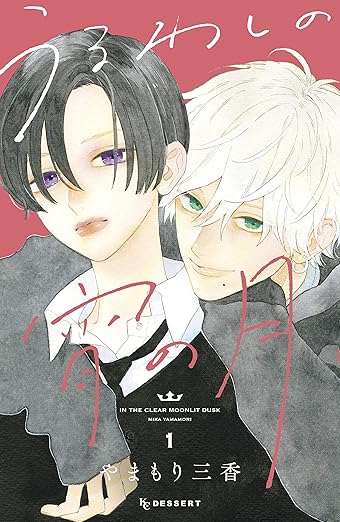
“In the Clear Moonlit Dusk” (うるわしの宵の月)
Shojo Romance #School#DailyLife#Romance#Clubs#PartTimeJob#Friends #CasualConversation#SchoolJapanese#RomanticExpressions#FeelingsTalk#Honorifics#Nicknames#InnerMonologue#Compliments
This shōjo manga follows a high school romance between two 'princes', making it ideal for learning how teens in Japan talk about gender, appearance, and feelings. Because Kodansha USA publishes an English edition and an anime adaptation is set to expand its global reach, you can combine the manga, official translation, and future anime audio for multi-modal study.
-

“Firefly Wedding” (ホタルの嫁入り)
Josei Romance #HistoricalJapan#AristocraticHousehold#Romance#CrimeUnderworld#Medical#EmotionalConfrontations #RomanticDialogue#PoliteForms#Honorifics#EmotionalExpressions#Requests#Refusals#ThreatsAndWarnings#ComfortingSomeone
This Meiji-era dark romance lets you practice the contrast between a noblewoman’s refined keigo and an assassin’s rough speech, along with dramatic love confessions, life-or-death promises, and soft but firm refusals. With official English releases via Comikey (digital) and Viz Media (print from 2025), it has become a popular gateway title for overseas shōjo/josei fans who want to enjoy Japanese-style dark romance in the original language.
-

“You and I Are Polar Opposites” (正反対な君と僕)
Shonen Romance #School#DailyLife#Romance#Clubs#Friends#SocialMedia #CasualConversation#RomanticExpressions#Confessions#Feelings#TextingChat#SmallTalk#Apologies#Invitations
Follow a mutual-crush high school romance from Shonen Jump+ to practice natural teen Japanese: casual first-person talk, reading the atmosphere, and soft, indirect love confessions. Because the series is officially available in English on MANGA Plus and in print from Viz Media, and its upcoming anime will stream overseas on Crunchyroll, you can easily combine Japanese text, English support, and audio for study.
-

“Wild Strawberry” (ワイルドストロベリー)
Shonen Horror #DailyLife#PostApocalypticTokyo#Military#Professional#Disaster#Laboratory #CasualSpeech#BattleCommands#EmergencyJapanese#EmotionalLanguage#Apologies#Requests#Refusals
Wild Strawberry throws you into a plant-based apocalypse where characters shout orders, warn each other and make desperate promises. It is ideal for learning survival Japanese, intense battle commands and emotional lines, while noticing how casual speech shifts when the stakes suddenly rise.
-

“Hirayasumi” (ひらやすみ)
Seinen Slice of Life #DailyLife#Neighborhood#Family#PartTimeWork#School#Shops#Healthcare #SmallTalk#Feelings#EmpathyResponses#Invitations#SoftRefusals#GivingAdvice#FamilyTalk#NeighborTalk
Follow Hiroto, a carefree 29-year-old living in a small one-story house in Tokyo, to hear soft, natural Japanese for neighbors, relatives, and part-time work. Because VIZ Media publishes the English tankobon edition, you can easily check translations and notice how nuance, ellipsis, and politeness are handled. As a slow-life slice-of-life story that is praised by overseas readers, it is ideal for relaxed extensive reading and learning real "feelings" talk.
-

“Wolf Girl & Black Prince” (オオカミ少女と黒王子)
Shojo Romance #DailyLife#School#Romance#Friends#Family#AfterSchool #CasualJapanese#Politeness#Apologies#Requests#Refusals#Invitations#Compliments#Texting
A high‑school romance that’s perfect for mastering everyday teen Japanese: casual talk vs. standard polite, softening requests and refusals, and texting (LINE) phrases. Watch how characters negotiate status with senpai/kōhai language and repair relationships with tactful apologies.
-
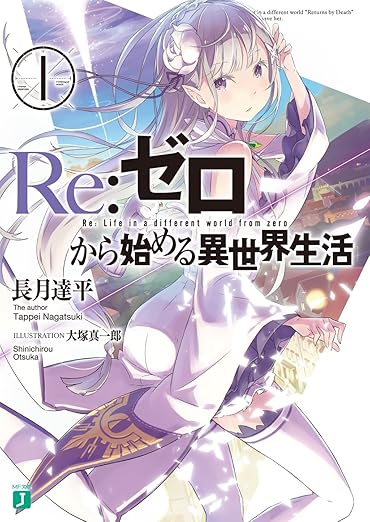
“Re:Zero − Starting Life in Another World” (Re:ゼロから始める異世界生活)
Seinen Fantasy #FantasyWorld#Adventure#RoyalCourt#Guild#Shops#Battle #Requests#Apologies#Permission#Honorifics#Clarification#Negotiation#Promises#Hedging
This series is perfect for practicing survival Japanese in a fantasy setting: asking for help, making polite requests, apologizing for trouble, and switching between casual speech and deferential forms used with nobles or superiors. Watch how characters soften statements with cushions like 〜ですが and 〜かもしれません, and how titles and honorifics shape relationships.
-

“Goblin Slayer” (ゴブリンスレイヤー)
Seinen Fantasy #FantasyWorld#AdventurersGuild#Battles#Teamwork#Tavern#Shops#Travel #Requests#Refusals#StrategyTalk#Reporting#EmergencyPhrases#Confirmations#Negotiation#Numbers
Use this series to practice compact commands, softening strategies for requests, and clear confirmations during team play. Track how characters switch between rough casual speech within the party and polite forms with guild staff or strangers.